IN Brief:
- DHL Supply Chain India has leased 240,000 sq ft at Ekarajapura in Hoskote for five years.
- Monthly rent starts at ₹56.4 lakh, with a 4.5% annual escalation and three months rent-free.
- The commitment adds substantial contract logistics capacity to Bengaluru's eastern industrial and distribution corridor.
DHL Supply Chain India has leased 240,000 sq ft of warehouse space at Hoskote on the eastern side of Bengaluru, taking a five-year commitment to a large-format facility serving one of the city’s established industrial and distribution corridors.
DHL Supply Chain India has taken the ground-floor space from Saviraj Logistics at Ekarajapura village in Hoskote Taluk, Bengaluru Rural district. The registered agreement covers a 240,000 sq ft chargeable area at an initial monthly rent of ₹56.4 lakh, equivalent to ₹23.50 per sq ft.
The lease was registered on 10 July 2026 and commenced on 1 August. A three-month rent-free period runs until 31 October, with rental payments beginning on 1 November, while the agreement includes a three-year lock-in within the overall five-year term.
Rent will increase by 4.5% annually. CRE Matrix, which accessed the property registration documents, calculates total rental payments over the term at approximately ₹37.03 crore, excluding the refundable security deposit of ₹2.25 crore.
The agreement also includes common area maintenance within the monthly rental figure. DHL has not disclosed which customer contracts will operate from the building or the level of automation planned, leaving the lease terms and location as the clearest indicators of the facility’s intended scale.
Hoskote adds room for larger logistics operations
Hoskote has developed as an eastern Bengaluru warehousing location because it combines access to industrial activity with routes into the wider metropolitan consumption market. That makes the corridor useful for operations that need larger buildings than central urban locations can readily provide while remaining within practical reach of manufacturing sites and customers.
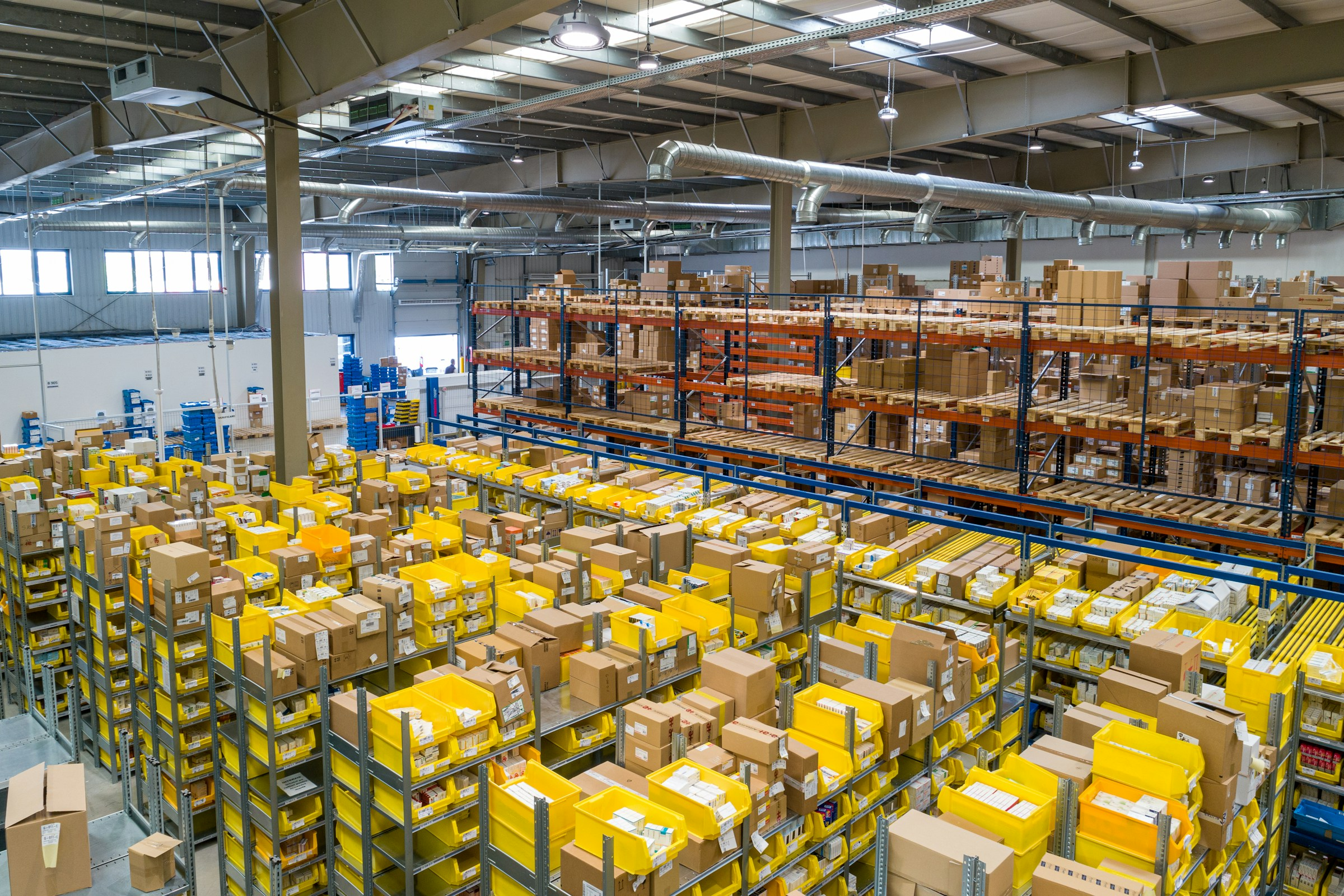
A 240,000 sq ft facility gives a contract logistics operator enough space to support a substantially different operating model from a small urban depot. Racking, reserve storage, staging lanes, packing operations, returns, value-added services, and material handling systems can all compete for floor area, particularly where a building supports several contracts.
The five-year lease provides a more stable period over which to configure those processes. Warehouse fit-outs can involve racking, conveyors, charging infrastructure, warehouse management systems, security equipment, offices, and customer-specific processing zones, with much of that expenditure difficult to recover if occupancy is short-lived.
The three-year lock-in therefore extends beyond property certainty. It covers the period during which mobilisation costs, employee recruitment, inventory transfers, system configuration, and customer onboarding are likely to be absorbed into the operation.
The rent-free period offers a practical window for some of that work before recurring property payments begin. DHL can occupy the facility from August while rent starts in November, allowing three months for preparation before the building moves onto its full commercial cost base.
Once that period ends, the annual escalation increases the pressure on productivity. Higher occupancy costs have to be absorbed through contract pricing, greater throughput, denser storage, better labour utilisation, or a combination of those factors over the remaining lease term.
Large buildings still depend on utilisation
Warehouse scale is useful only when the space is matched to cargo flows. A building that is too small creates congestion and inefficient overflow activity, but unused floor space in a large facility carries rent, energy, maintenance, and security costs whether or not customer volumes fill it.
Multi-customer contract logistics can soften that exposure by allowing capacity to be distributed across operations with different demand patterns. Shared labour, docks, equipment, and systems can also make a building more adaptable where individual contracts fluctuate, although customers with specialist requirements may still need dedicated areas.
The Hoskote commitment also reflects continued competition for large logistics buildings around India’s main metropolitan areas. Ecommerce, retail distribution, manufacturing supply chains, healthcare, consumer goods, and industrial customers all require different combinations of storage and transport access, driving operators towards peripheral locations where substantial plots remain available.
Bengaluru’s eastern corridor serves both industrial and urban demand, giving warehouse operators the option to support inbound manufacturing flows as well as regional distribution. Vehicle access and journey reliability remain important, because cheap or abundant floor space loses much of its advantage if road congestion prevents stock from reaching factories or customers when required.
Building specification will matter as the operation develops. Automated systems, high-density racking, battery charging, and digital warehouse infrastructure can increase throughput from a fixed footprint, but they also raise demands on power supply, floor loading, connectivity, maintenance, and workforce skills.
DHL has not set out those details for the Hoskote property, so claims about the site’s eventual throughput or employment would run ahead of the available evidence. What is established is a five-year commitment to 240,000 sq ft, supported by a three-year lock-in and a rental structure that becomes steadily more expensive over time.
The transaction gives DHL another sizeable logistics base around Bengaluru. Its commercial performance will depend less on the headline floor area than on how quickly the building is mobilised, how consistently that space is occupied, and whether the contracts inside it generate enough throughput to absorb rising property costs through 2031.