IN Brief:
- DHL Supply Chain Australia has partnered with Metso as a third-party logistics provider.
- DHL will manage warehousing, inbound logistics, storage, and outbound distribution from Berrinba, Brisbane.
- The operation supports precision components, oversized mining equipment, inventory visibility, and 24/7 service requirements.
DHL Supply Chain Australia has entered a third-party logistics partnership with Metso to support mining equipment and machinery distribution from Brisbane.
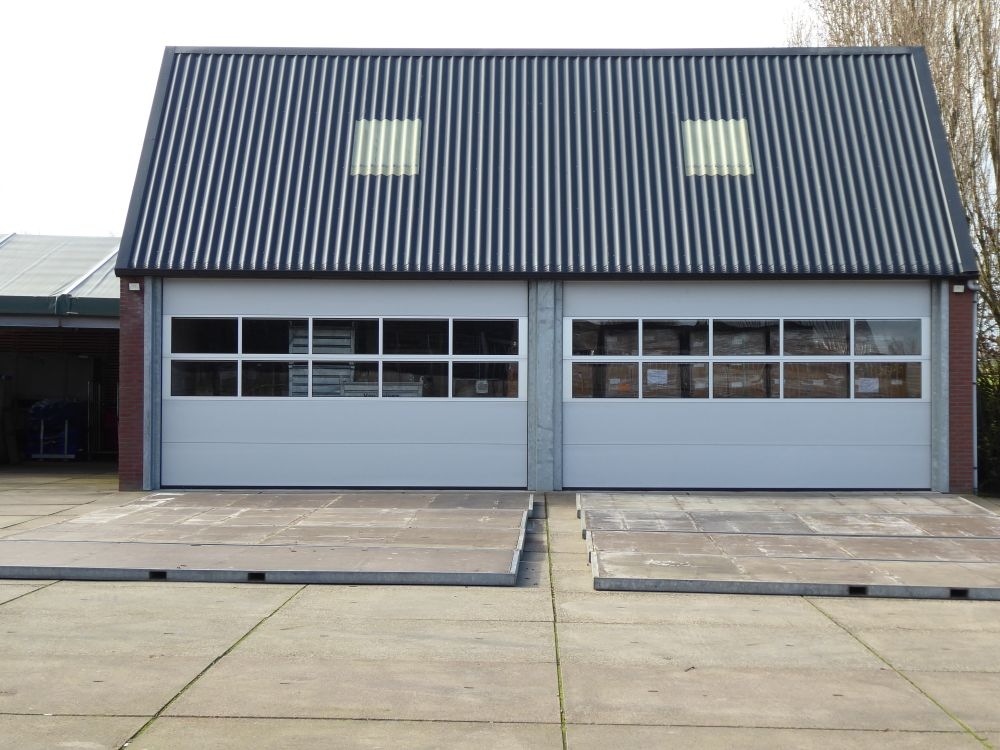
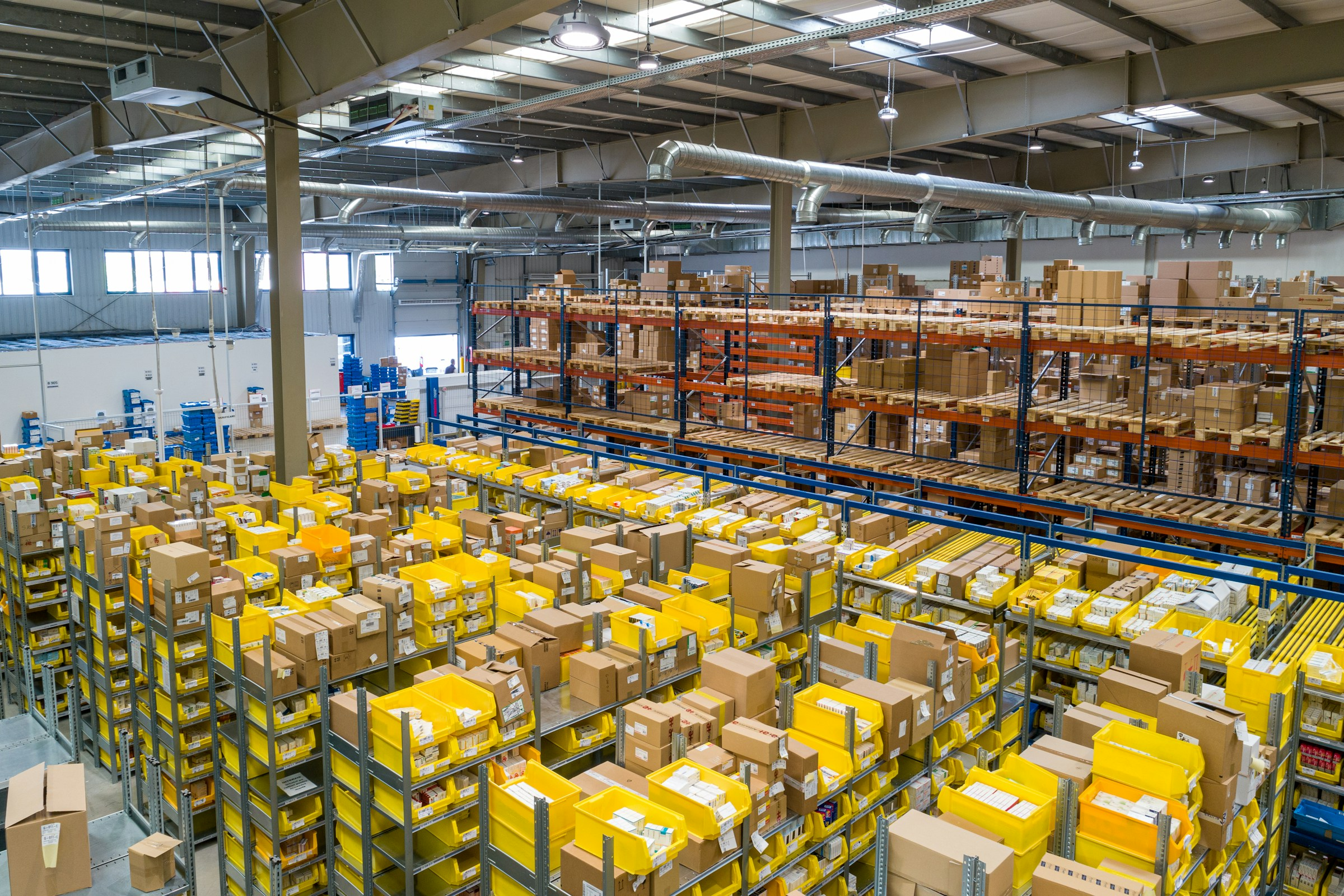
The agreement will see DHL manage warehousing operations from its Berrinba facility, supporting inbound logistics, storage, inventory control, and outbound distribution for mining customers across Australia’s Eastern Seaboard. The operation is based at DHL’s Wembley Park campus in Berrinba, where indoor and outdoor storage capacity will accommodate a product mix ranging from precision components to oversized mining equipment.
Built around scalable capacity, the facility will support Metso’s growth in Queensland while providing the handling space and systems needed for irregular, high-value industrial cargo. DHL’s operating scope includes inbound and outbound logistics, warehousing, inventory management, 24/7 on-call service, inventory tracking technology, and visibility tools designed to improve performance across the industrial service chain.
The site also carries a sustainability element, with on-site solar generation and renewable electricity sources forming part of the operating model. For heavy industrial logistics, where yards, lighting, lifting equipment, transport movements, and spare-parts storage all add to energy demand, estate-level efficiency increasingly sits alongside service performance.
Mining logistics sits in a different operating category from conventional pallet distribution. Heavy industrial equipment supply chains combine high-value spare parts, irregular product dimensions, field service urgency, remote customer locations, and planned shutdown schedules. A missed delivery can affect maintenance windows, equipment availability, and production uptime, while poor visibility can leave engineering and procurement teams without a reliable view of whether a critical part is available, in transit, or waiting to be picked.
Warehouse design and inventory control therefore carry more weight than basic storage capacity. Oversized equipment requires safe handling space, suitable yard layout, lifting and loading capability, product protection, and accurate location control. Smaller precision components require a different handling discipline, with traceability, stock accuracy, and dispatch speed becoming more important than footprint.
Brisbane gives the operation a strong industrial base. Queensland remains a major centre for mining activity and heavy equipment support, while the Eastern Seaboard concentrates a substantial share of Australia’s industrial, port, transport, and resources logistics infrastructure. A specialist 3PL site close to that corridor can shorten response times and reduce the operational complexity attached to multi-state service support.
The arrangement also lands in a freight market that has been dealing with uneven capacity and cost pressure. Recent coverage of East Asia-Australia container capacity showed how vessel availability, rate movements, and port reliability remain active constraints for Australian import flows. Mining equipment logistics depends on that wider freight environment because parts and machinery often move through international supply routes before entering regional service networks.
Contract logistics has been shifting from storage-led outsourcing toward deeper operational partnerships, especially in sectors where stock availability links directly to revenue-generating assets. Industrial customers increasingly expect 3PLs to manage availability, exception visibility, stock integrity, and resilience around production-critical or maintenance-critical parts. That demands stronger systems integration, better data discipline, and cleaner handover between inbound freight, warehouse operations, and outbound delivery.
Mining supply chains are especially unforgiving when those handovers fail. A component that is lost in a yard, booked under inconsistent product data, or delayed by incomplete dispatch instructions can disrupt work far beyond the warehouse. The value of a 3PL relationship therefore rests on stock accuracy, speed of retrieval, safe handling, escalation processes, and the ability to support urgent requirements outside standard operating patterns.
DHL’s work with Metso places the warehouse at the centre of mining service support, linking equipment availability with a more controlled logistics operating model. As Australia’s resources sector continues to rely on advanced machinery, remote assets, and tight maintenance planning, industrial logistics providers will be judged less by storage scale and more by how reliably they can turn inventory into working uptime.