IN Brief:
- DP World has opened an 11,514m² contract logistics warehouse in Johor, Malaysia.
- The site sits inside the Johor-Singapore Special Economic Zone and supports warehousing and inbound logistics.
- A second Malaysian warehouse in Kuala Lumpur and further sites in Thailand and the Philippines are planned during 2026.
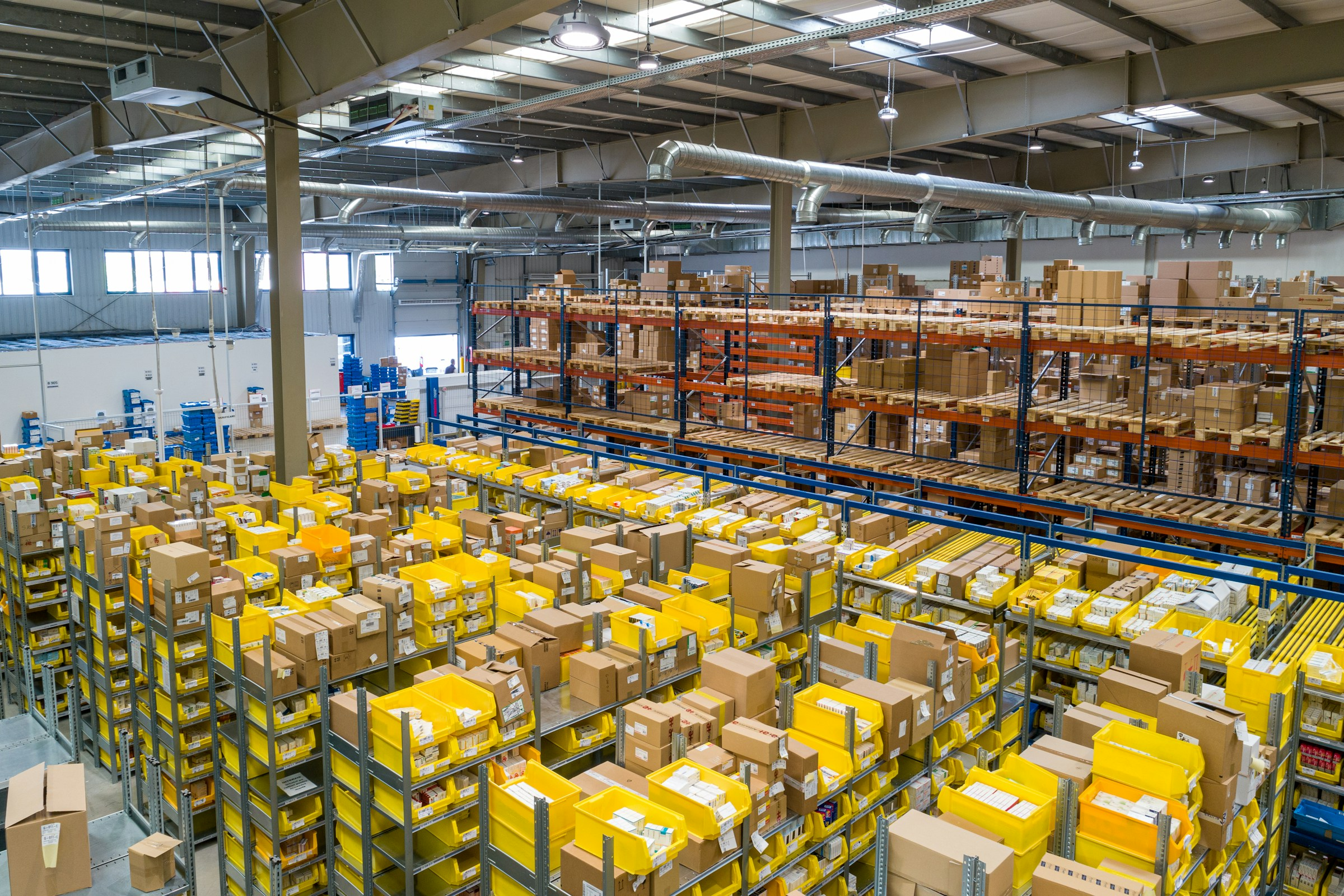
DP World has opened an 11,514-square-metre contract logistics warehouse in Johor, adding storage and inbound-logistics capacity inside the Johor-Singapore Special Economic Zone. The opening is the first of two Malaysian warehouse additions planned for 2026, with another facility due to open in Kuala Lumpur later in the year.
The Johor site is intended to connect customer operations in southern Malaysia with Singapore and wider Asia-Pacific trade corridors. Its position inside the special economic zone puts the warehouse close to a cross-border market where industrial production, distribution, ports, airports, and regional business functions increasingly operate across both sides of the Malaysia-Singapore border.
That geography gives the facility a different role from a warehouse serving a single domestic catchment. Customers can position inventory near Johor’s manufacturing and industrial base while remaining close to Singapore’s international port, airport, forwarding, and commercial infrastructure. The economic case depends on the reliability of customs and road movements between the two markets.
The Johor-Singapore Special Economic Zone is intended to simplify some of those movements, with both governments seeking to improve goods connectivity and reduce administrative friction. Faster clearance does not eliminate border formalities, but more predictable processing makes it easier for logistics operators to design scheduled replenishment and cross-border distribution around the corridor.
DP World is adding the site as part of a broader warehouse expansion across Southeast Asia. The company plans another Malaysian facility in Kuala Lumpur as well as new warehouse capacity in Thailand and the Philippines before the end of 2026, extending a regional network that already includes operations in Singapore, Hong Kong, Australia, and South Korea.
The sequence reflects DP World’s effort to connect inland logistics capacity with its established port and freight network. Warehousing, customs services, forwarding, inland transport, and terminal handling can be sold separately, but tighter integration gives the operator greater control over handovers between the ocean and inland legs.
Those handovers are often where time disappears from an otherwise efficient shipment. A container may leave a vessel promptly but then wait for customs processing, onward transport, warehouse receiving, or inventory allocation. Contract logistics operators that control several stages can coordinate booking and data more closely, although integration only adds value when the underlying systems and operating teams actually share information.
The Johor warehouse also broadens DP World’s exposure to manufacturing-linked logistics in Malaysia. Southern Malaysia supports electronics, automotive, engineering, consumer-goods, and other industrial activity, while the wider economic zone is being promoted for further investment. Those industries generate inbound material flows as well as finished-goods distribution, giving the warehouse a potential role on both sides of production.
Inbound logistics places different demands on a facility from straightforward finished-goods storage. Manufacturers need components sequenced to production schedules, inventory positions visible enough to avoid line shortages, and transport plans capable of absorbing supplier delays. A warehouse close to production can create useful buffer capacity, but excessive buffer stock simply transfers working capital into another building.
Cross-border positioning adds another variable. Holding inventory in Johor may provide cost and space advantages while retaining access to Singapore, but every movement across the border remains exposed to road congestion, customs requirements, driver availability, and operating-hour constraints. The warehouse earns its place in the network only if those trade-offs produce a more dependable overall service.
DP World’s planned Kuala Lumpur opening will give the Malaysian network a second major node with a different catchment. Johor is naturally oriented towards Singapore and southern manufacturing corridors, while Kuala Lumpur provides access to Malaysia’s largest urban and industrial region. Operating both gives customers more options over where to hold inventory and how to divide national and cross-border distribution.
Regional warehouse expansion also creates a systems challenge for DP World itself. Customers using several facilities expect common inventory visibility, comparable operating standards, and predictable data across borders. Adding sites without integrating warehouse-management, transport, and customer systems would reproduce the fragmentation that an end-to-end provider is supposed to reduce.
The new Johor building is modest compared with the group’s largest logistics developments, but its position is the significant part of the investment. It sits between a growing Malaysian production base and one of Asia’s largest international logistics gateways, inside a policy framework designed specifically to encourage closer economic integration.
DP World’s next task is to convert that location into measurable operational gains. The 11,514 square metres provide physical capacity; the more demanding work lies in synchronising inventory, customs, trucks, and customer systems across the border. With Kuala Lumpur, Thailand, and the Philippines also being added to the network, Southeast Asian warehouse growth is becoming a test of integration rather than simply a race to accumulate floor space.