IN Brief:
- FedEx plans to return its full Boeing MD-11 fleet to service before peak season.
- The fleet was grounded last year after a deadly UPS MD-11 crash.
- FedEx relied on outsourced airlift during the previous peak period, creating cost pressure.
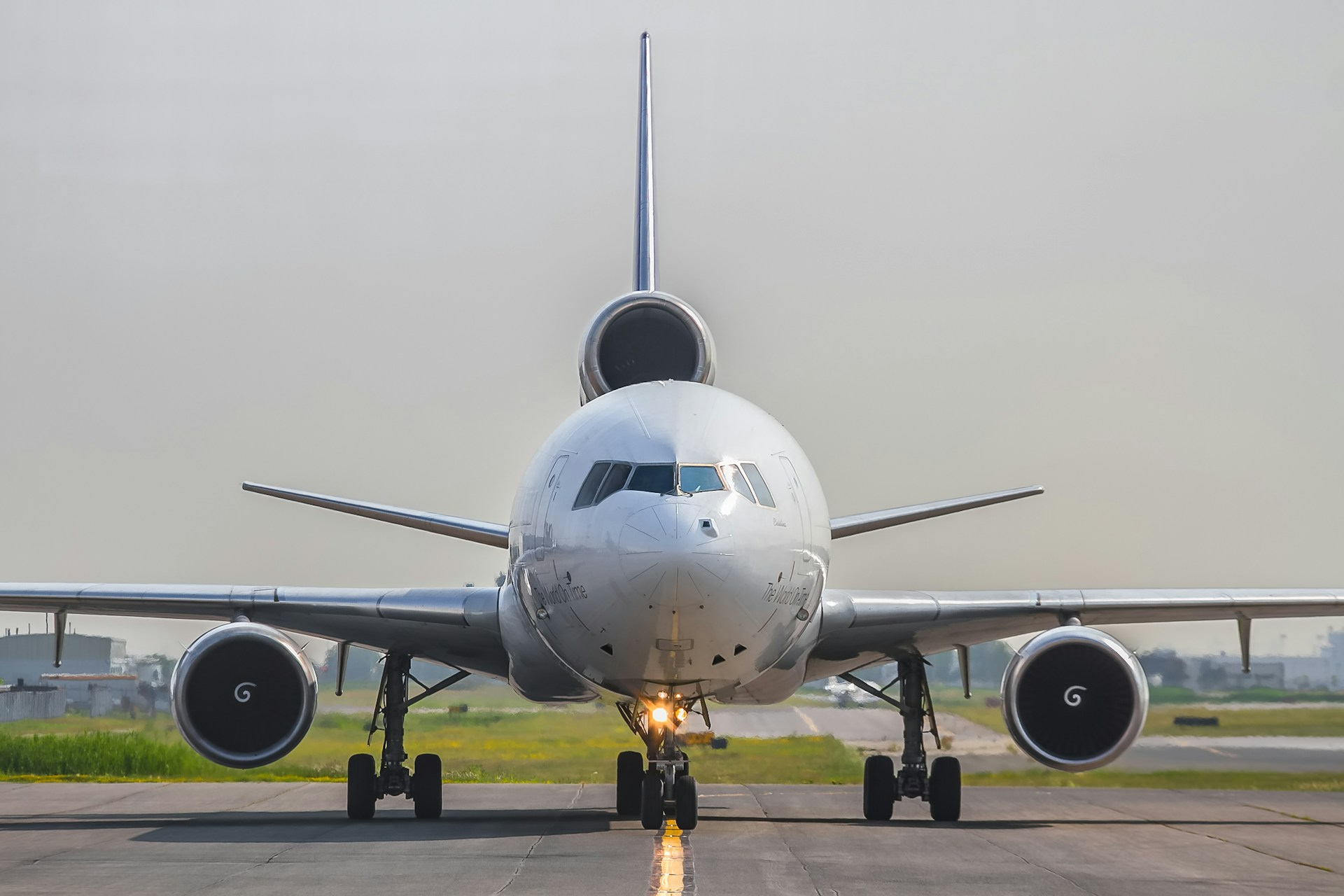
FedEx plans to return its full Boeing MD-11 fleet to service before peak season, rebuilding widebody cargo capacity after last year’s fleet grounding.
The carrier began returning MD-11 aircraft to service after working with Boeing, the Federal Aviation Administration, and the National Transportation Safety Board. Four aircraft have already resumed flying, with the wider fleet expected to return before peak-season demand builds.
The MD-11 fleet was grounded last year after a fatal crash involving a UPS-operated MD-11. Before the grounding, FedEx had 25 of its 34 MD-11s in operation. The sudden loss of capacity forced the company to use commercial airlift partners during the peak shipping period, adding cost and reducing the benefit of having owned freighter capacity inside the network.
FedEx’s air network has to absorb a mixture of parcel, express, international freight, high-value cargo, ecommerce replenishment, and business-to-business shipments. Peak season concentrates that pressure, with service reliability depending on aircraft availability, hub performance, labour planning, linehaul coordination, and final-mile capacity.
The use of outsourced airlift during the previous peak period created a substantial financial headwind. Returning MD-11 aircraft should reduce part of that exposure, although operating older widebody freighters still carries maintenance, fuel, and reliability considerations.
The MD-11 remains useful because of its cargo capacity and range. It is less efficient than newer twin-engine freighters, but fleet planning is rarely determined by fuel burn alone. Cargo airlines must manage aircraft availability, replacement timelines, demand cycles, maintenance schedules, safety reviews, and network design. During high-demand periods, an older but available aircraft can still hold strategic value.
The aircraft return also sits alongside FedEx’s push into higher-value logistics segments. The company has already made life sciences a standalone logistics focus, placing healthcare, pharmaceutical, and temperature-sensitive freight under a more dedicated operating structure. Those shipments depend on reliable air capacity, tight exception handling, and strong control through the network.
Peak planning is becoming more complex for parcel and air cargo operators. Ecommerce demand remains volatile, retailers are managing inventory more cautiously, and shippers are more willing to shift between parcel, deferred, air freight, and regional fulfilment models when price or reliability changes. Carriers need enough flexibility to handle spikes without carrying excessive idle capacity through weaker periods.
Owned freighter capacity gives FedEx more direct control than outsourced uplift, but it also places more responsibility on fleet reliability. A widebody grounding can affect service planning quickly because freighter capacity cannot be replaced easily at short notice. Commercial airlift can provide recovery, but often at higher cost and with less network control.
The return of the MD-11s should give FedEx a stronger internal capacity base entering peak season. Aircraft availability, pilot planning, maintenance performance, hub throughput, weather disruption, and customer demand patterns will still determine whether the network holds under pressure.
Express carriers are also reassessing fleets around cost, fuel efficiency, and long-term demand. Older tri-jets are expensive to operate, while retiring capacity too early can expose the network when demand returns or disruption removes alternatives. FedEx’s decision to return the aircraft reflects that balance between modernisation and resilience.
Shippers planning around peak season are likely to watch the return for signs of stronger air capacity and fewer service adjustments linked to emergency outsourcing. Reliability will still depend on booking discipline and lane-specific performance, but FedEx will have more of its own aircraft back in the operating plan.
The MD-11 return is ultimately about capacity control. After a costly grounding, FedEx is rebuilding the airlift it needs to manage peak demand with less dependence on external lift and more direct command over its network.