IN Brief:
- The new SE5 service is scheduled to begin with Maersk Edirne calling at Shanghai on 22 November 2026.
- SE5 links Shanghai, Xiamen and Tanjung Pelepas with Algeciras and Tangier via Suez.
- Five other Hapag-Lloyd service rotations are changing, and published vessel schedules remain subject to adjustment.
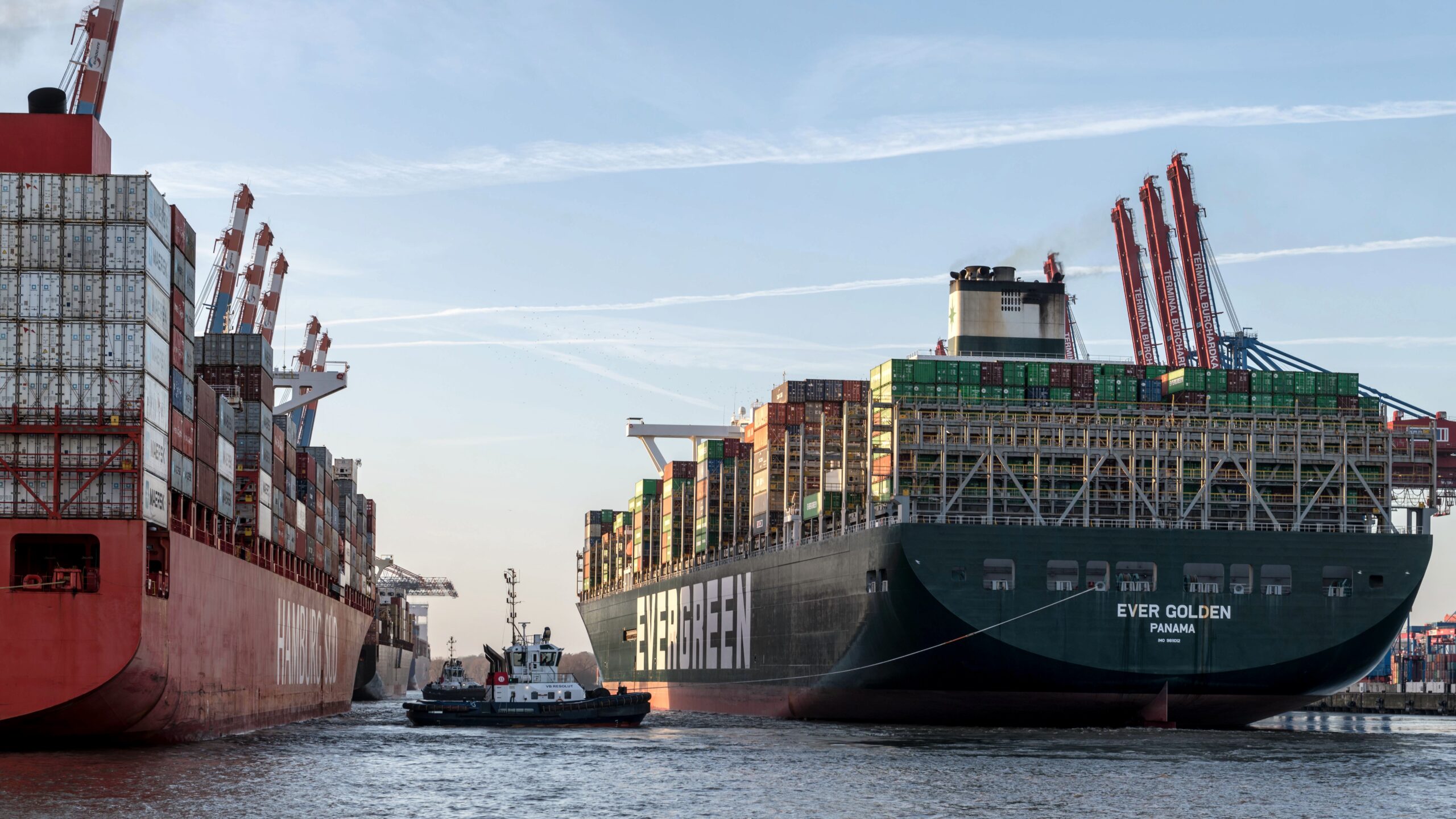
Hapag-Lloyd and Maersk have announced a new Asia–Mediterranean container service within their Gemini Cooperation network, with the first departure under the revised rotation scheduled for November. Called Asia South Europe 5, or SE5 in Hapag-Lloyd’s nomenclature, the service will link Chinese loading ports with Algeciras and Tangier via Tanjung Pelepas and the Suez Canal. The addition forms part of a wider revision of Asia–Europe port calls, rather than the opening of an entirely separate shipping alliance.
The scheduled first vessel is Maersk Edirne, voyage 647W, with its initial Shanghai call listed for 22 November 2026. Hapag-Lloyd specifies a rotation running from Shanghai to Xiamen and Tanjung Pelepas, through Suez to Algeciras and Port Tangier Med, back to Algeciras, and eastbound through Suez to Xiamen. Maersk identifies the corresponding service as AE18. The published schedules are advance plans and remain liable to amendment before sailing.
The partners are also revising North Europe Express 1 and Asia South Europe 1–4, changing direct port coverage and the hubs at which boxes are transferred. A port appearing on a rotation is not necessarily connected to every other named port by a single uninterrupted voyage. End-to-end routing may depend on transhipment, feeder capacity, terminal cut-off times and the interval between the arriving and onward vessels.
Algeciras appears twice on SE5’s planned rotation, with Port Tangier Med between the two calls. Both hubs provide Western Mediterranean access, while Tangier also connects with trades serving West Africa. Containers bound for secondary destinations may need to be discharged, moved within a terminal and loaded onto a feeder service. Any benefit for their total journey depends on the timing of that connection as well as the ocean leg.
On SE1, the carriers intend to replace Algeciras with westbound and eastbound Port Said calls and add Colombo eastbound. SE2 is due to add Salalah westbound and substitute Port Said for its former westbound Tangier call. SE3 will serve Port Said and Damietta while removing the eastbound Colombo call, and SE4 will add Nansha and Damietta while dropping Shanghai. The changes redistribute direct calls between the Eastern and Western Mediterranean rather than adding all the ports to every service. The SE2 rotation still includes Valencia, Barcelona, La Spezia, Genoa and Vado Ligure, so the Salalah and Port Said changes affect the route without removing those Western Mediterranean calls. Specific booking and transit implications will vary by destination and direction.
NE1 will meanwhile replace Tangier with Rotterdam as its first European call, altering discharge options for boxes loaded at Ningbo and Shanghai. The position of a European call in the rotation can affect when containers are available for onward road, rail or feeder movements. It cannot establish a shorter delivery time without the applicable sailing, berth window and subsequent transport arrangements.
Commencement dates differ across the revised services. Hapag-Lloyd lists Maersk Edirne on SE5 at Shanghai on 22 November, whereas the first revised SE1 call is scheduled at Ningbo for 17 November; the other affected rotations carry their own vessel-specific dates. Maersk calls SE5 AE18 and publishes the same 22 November first call. A booking must therefore be checked against its exact service, direction and departure rather than a general November network start.
Earlier Gemini changes also affected Asia–Middle East sailings, while the partners have been returning more Asia–Europe routes to the Suez corridor after diversions around the Cape of Good Hope. Passage through Suez can reduce the distance between East Asia and many European ports, but exposes planned voyages to Red Sea security and operating conditions. An advertised arrival time remains conditional on the service operating its published route.
Connections beyond the direct SE5 calls will require updated booking and terminal arrangements. A changed hub may alter where a container is discharged, which feeder connects to its destination and when customs or inland haulage data must be available. Forwarders will also need to match container availability and documentation cut-offs to the revised departures; an unchanged service name does not necessarily mean unchanged port coverage.
Neither carrier has reported an independently measured increase in reliability, fleet capacity or cost savings attributable to SE5. Actual performance will depend on the first sailings, available slots, port handling and connecting services. The operational change confirmed on 19 October is the published rotation and its planned November introduction, subject to subsequent timetable revisions.