IN Brief:
- HTEC and Embotech have partnered to scale Level 4 autonomous driving systems for industrial logistics.
- Embotech’s systems operate across factories, logistics centres, and ports, moving more than 2,500 vehicles autonomously each day.
- HTEC will support onboard software, vehicle integration, connectivity, and system validation.
HTEC and Embotech have formed a strategic partnership to scale certified Level 4 autonomous driving systems across industrial logistics sites, vehicle platforms, and customer programmes.
The agreement brings HTEC’s engineering capacity into Embotech’s deployment model, covering onboard software, vehicle integration, connectivity, and system validation. Embotech retains control of its autonomy platform, certified safety architecture, and product roadmap.
Embotech’s systems already operate around the clock across factories, logistics centres, and ports, moving more than 2,500 vehicles autonomously every day. Its TÜV SÜD-certified Level 4 platform combines AI-powered perception, prediction, and motion planning with independently certified safety systems.
The partnership arrives at a more mature stage for industrial autonomy. Demonstrating that a vehicle can complete a controlled movement is no longer enough. The commercial challenge is repeatable deployment across different sites, different vehicle platforms, different traffic rules, and different industrial processes.
Industrial logistics offers a more practical autonomy environment than open public roads because many movements take place inside defined operating domains. Ports, factories, vehicle yards, and logistics centres can control access, speeds, routes, signage, infrastructure, and permitted operating zones more tightly. That improves the safety case, although it does not remove the engineering work needed for deployment.
AI has already been moving into logistics control towers, customs processes, tracking systems, and digital twins, while drone operators are developing coordination systems for shared airspace. Embotech’s autonomy platform belongs to the same wider transition: logistics technology is shifting from standalone automation toward coordinated machine movement under defined safety and operating rules.
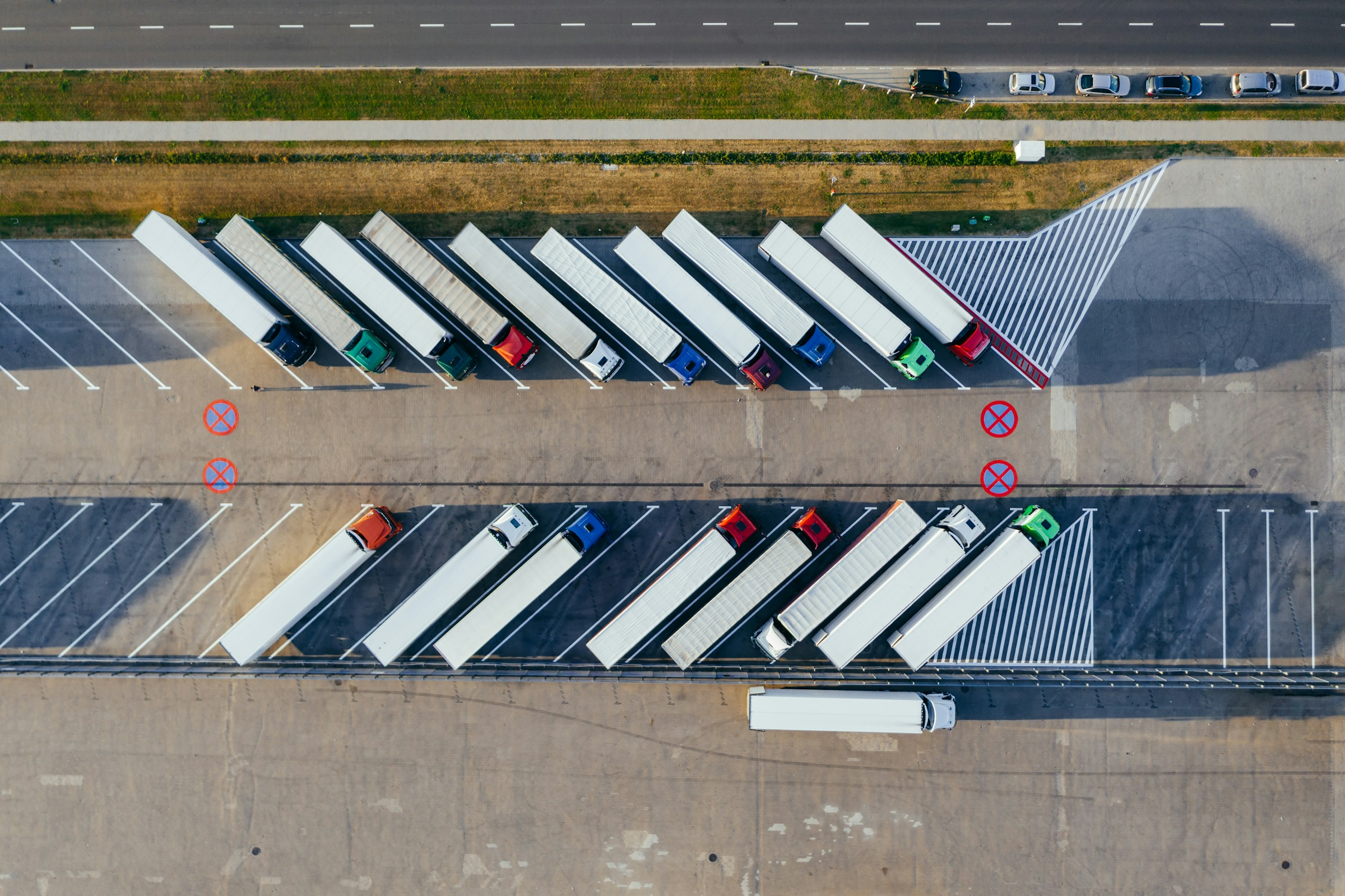
Vehicle movements inside industrial sites are repetitive, labour-intensive, and exposed to safety risk. Automotive plants, for example, need finished vehicles moved between production, inspection, storage, and loading. Ports and logistics yards have constant traffic between gates, stacks, staging areas, and loading points. Small delays can spread quickly when yard flow is not properly controlled.
Autonomous movement can improve utilisation by allowing certain tasks to run consistently over extended operating windows. It can also reduce variability linked to labour shortages, manual coordination, and shift patterns. The strongest gains come when autonomous systems integrate with yard management, warehouse management, transport planning, and gate processes.
That makes HTEC’s engineering role significant. Autonomous systems have to work with customer infrastructure already in place. Vehicle platforms differ, sensors have to be calibrated, connectivity must remain reliable, and safety systems need validation in site-specific conditions. The faster those steps can be repeated, the more industrial autonomy moves from bespoke project work toward scalable product deployment.
Level 4 autonomy depends on a clearly defined operational design domain. In industrial logistics, that domain may be a yard, a port zone, a factory route, a vehicle type, or a speed range. The narrower domain makes deployment more realistic than systems expected to handle every variable of public-road operation.
Sites still need preparation. Autonomous vehicles require disciplined layouts, high-quality mapping, traffic rules, maintenance routines, reliable connectivity, and clear exception handling. Informal manual workarounds that function in human-run yards have to be translated into formal operating rules before autonomy can be safely scaled.
That translation can improve the whole site. Mapping routes, standardising rules, and defining exceptions often exposes inefficiencies in manual movement. Autonomy can therefore act as a forcing mechanism for better yard discipline, provided the implementation is led by operational reality rather than technology demonstration.
The HTEC–Embotech partnership shows industrial autonomy moving into an execution phase. Certified systems, engineering capacity, software integration, and customer validation now matter as much as vehicle intelligence. Logistics sites that can combine those elements will be better placed to turn autonomous movement from isolated deployment into a stable part of industrial flow.