IN Brief:
- A unified national licence will replace four container-train operator categories.
- New tariffs will support containerised movements of fertiliser, foodgrains, flour, pulses, and fly ash.
- Manufacturers and cargo owners will gain greater freedom to develop and finance specialist freight wagons.
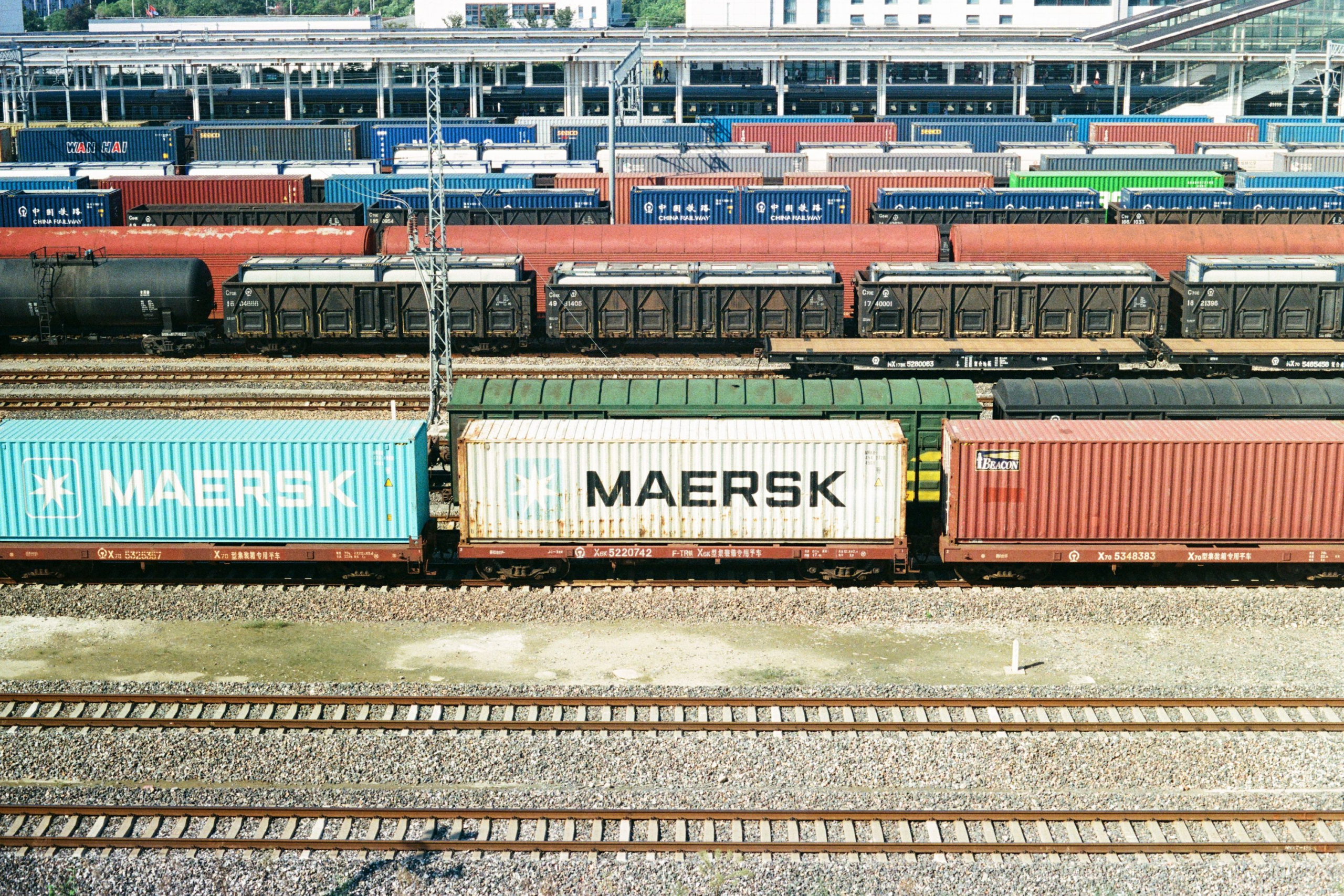
Indian Railways has introduced eight reforms intended to simplify freight tariffs, widen private participation, accelerate specialist wagon development, and expand container use across commodities traditionally carried in conventional bulk equipment.
The measures form part of the railway’s Reform Express programme, which is targeting 52 changes over 52 weeks. The latest package covers container-train licensing, fertiliser and foodgrain tariffs, fly-ash transport, tank-wagon procurement, new rolling-stock designs, construction contracting, and workforce certification.
Four separate container-train operator licence categories will be replaced by a single pan-India authorisation. The previous system imposed different entry fees and geographical restrictions, including a ₹50 crore requirement for Category I operators and lower fees for businesses confined to narrower operating areas.
Under the new structure, operators will pay a uniform non-refundable fee of ₹25 crore for nationwide access. Licences will remain valid for 20 years and can subsequently be extended without another renewal charge, reducing both the financial threshold and the administrative fragmentation involved in building services across several corridors.
Fertiliser traffic will move onto a simplified per-tonne-kilometre tariff. Rail already carries the majority of India’s fertiliser movements, although the charging system has contained close to 50 tariff slabs, complicating route planning and making it difficult to compare conventional wagon and container options.
The replacement structure reduces the system to three principal variations while permitting wider use of containers, phased unloading, and temporary storage. Sealed equipment can improve protection against moisture and contamination while allowing consignments to be divided between several inland destinations rather than discharged as a single bulk movement.
Foodgrains, flour, and pulses will receive similar treatment through simplified distance-based pricing for containerised transport. Containers offer greater protection from weather, spillage, and repeated handling, particularly where cargo moves between production regions, inland terminals, ports, and urban distribution markets.
Another reform addresses fly ash from thermal power stations. India generates approximately 340 million tonnes annually, with the cement sector absorbing a substantial share, yet only a limited proportion currently travels by rail because conventional wagon and terminal arrangements are poorly suited to many origin and destination sites.
New closed ISO containers will be designed for top loading and side-door or pneumatic discharge. Reach stackers can handle the equipment at established container terminals, allowing fly ash to move through a broader network without every receiving site investing in dedicated bulk-unloading infrastructure.
Manufacturers will also be able to submit specialist wagon designs to the Research Designs and Standards Organisation. Equipment intended for steel, chemicals, petroleum, milk, plastics, and other cargoes can therefore emerge from industrial requirements rather than depending exclusively on railway-led development programmes.
Oil companies, meanwhile, will gain wider freedom to procure or lease tank wagons. This should shorten investment cycles and align equipment more closely with product-specific loading, safety, and discharge requirements, although common maintenance, braking, coupling, and network standards will remain essential.
These reforms complement India’s growing investment in dedicated freight corridors, multimodal logistics parks, port rail connections, and digital cargo systems. Punjab’s decision to connect state freight platforms with the Unified Logistics Interface Platform illustrates the parallel effort to improve information exchange alongside physical capacity.
Containerisation can connect those systems more effectively because a sealed unit retains the same identity between factory, inland terminal, train, port, and customer. Fewer cargo handovers reduce contamination and damage, while digital records can follow the equipment rather than being recreated at every interchange.
Equipment availability will determine whether the commercial benefits are realised. Import-heavy regions can accumulate empty containers while export and industrial origins struggle to secure suitable boxes, creating repositioning costs that undermine the economics of the loaded movement.
India’s development of a major empty-container facility at JNPA, outlined in coverage of the new port-side storage and maintenance yard, addresses part of that imbalance. Similar inland capacity will be required if container use expands across agricultural, mineral, and industrial cargoes.
Terminal infrastructure presents another constraint because many production sites lack the lifting equipment, hardstanding, and storage areas required for regular container operations. Rail may provide the long-distance movement, although road collection, terminal handling, and final delivery still need to operate at sufficient scale and reliability.
Construction reforms included in the package are intended to improve the delivery of that infrastructure. Revised performance-security requirements, clearer insurance provisions, new litigation thresholds, and structured land handover through the Rail Bhoomi portal should reduce some of the delays that leave freight projects commercially incomplete.
Tariff changes alone will not displace road transport where consignments are small, origins are dispersed, or delivery windows require direct movement. Rail becomes more competitive when equipment, terminals, pricing, train paths, and first- and last-mile services operate as a coordinated system.
The latest reforms alter several parts of that system simultaneously. Operators receive broader market access, cargo owners gain simpler tariffs, manufacturers can develop new equipment, and private investors obtain greater freedom to finance specialist assets.
Implementation will now depend on converting those permissions into regular services rather than isolated demonstrations. If operators can assemble balanced volumes and dependable schedules, commodities long treated as conventional bulk freight may begin moving through the same container networks that already connect Indian manufacturing with domestic and international markets.