IN Brief:
- International Paper’s planned Rankin County packaging facility will have direct CPKC rail access.
- The 468,000 sq ft site is expected to become operational in the fourth quarter of 2027.
- The rail connection supports inbound raw materials, outbound distribution, and North American network reach.
International Paper is integrating direct rail access into its planned 468,000 sq ft packaging facility in Rankin County, Mississippi, through Canadian Pacific Kansas City.
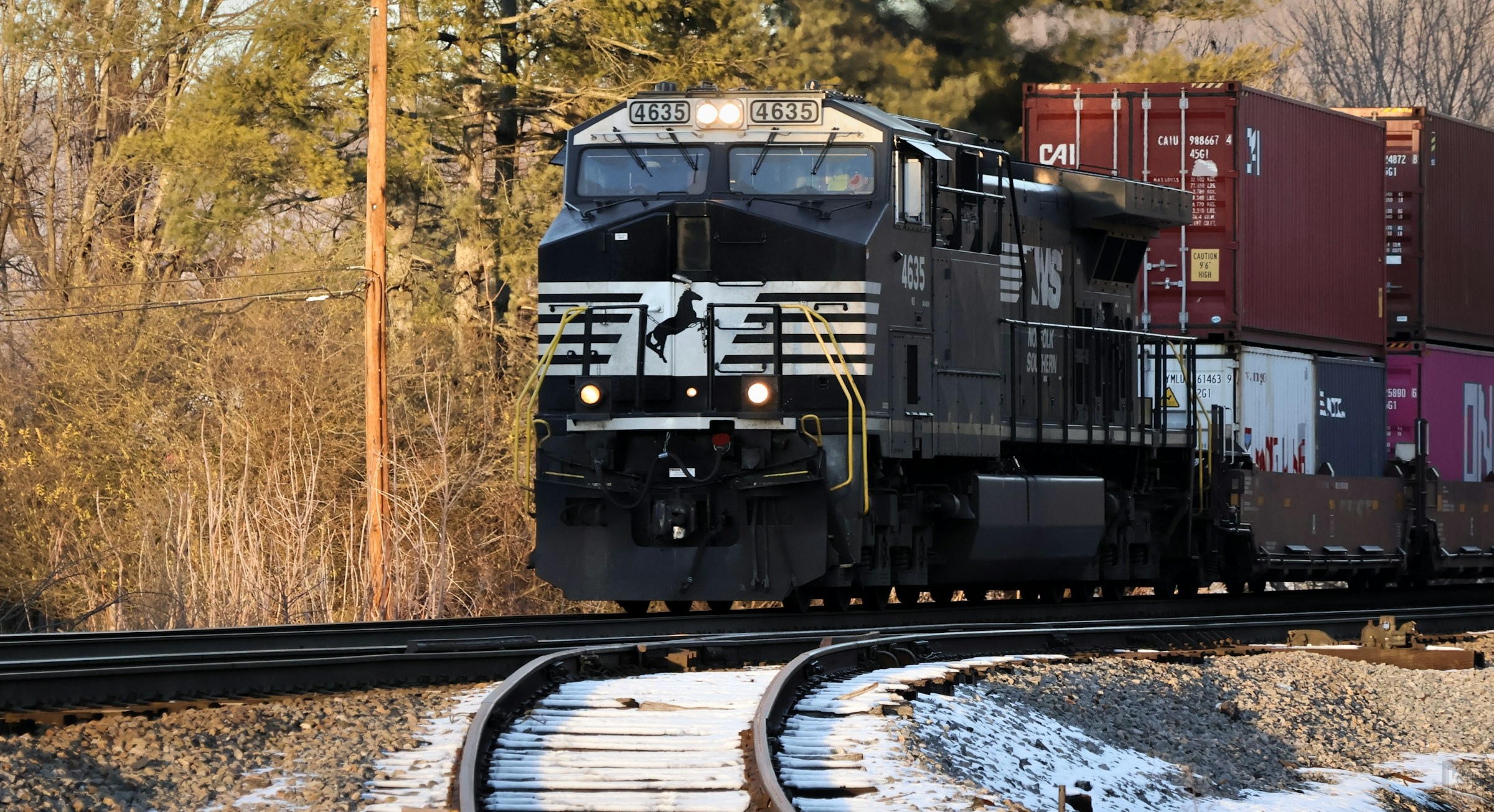
CPKC joined International Paper at the facility groundbreaking and will support rail service for inbound raw materials and outbound distribution. The packaging site is expected to become operational in the fourth quarter of 2027.
The facility will connect directly to CPKC’s North American rail network from the outset, embedding rail into the operating model rather than adding it as a later logistics option. Direct access gives the site a route to move heavy or bulky flows with fewer handovers and stronger links into regional and cross-border distribution.
Packaging manufacturing depends on reliable movement of paper, pulp, board, chemicals, packaging inputs, and finished products. Many of those flows are heavy, space-intensive, and sensitive to transport cost. Rail-served facilities can reduce dependence on long road hauls where shipment profiles suit rail movement.
For new industrial sites, logistics access is increasingly part of the core design brief. Road connectivity remains essential, but rail access can add resilience when trucking capacity, fuel prices, driver availability, or regional congestion create pressure. Direct rail connection also reduces drayage and yard handling when inbound and outbound flows are planned around the plant’s production rhythm.
International Paper’s Mississippi project sits within a wider reshaping of North American manufacturing and distribution networks. Packaging demand is linked to food, beverage, e-commerce, industrial goods, consumer products, and retail replenishment. A new packaging plant with direct rail access can serve customers across multiple regions while managing heavy input and output flows more efficiently.
CPKC’s single-line network across Canada, the US, and Mexico gives the facility access to continental corridors at a time when manufacturers are reassessing regional production and supply chain proximity. Nearshoring and cross-border manufacturing have increased interest in infrastructure that can support longer-haul movement without relying entirely on trucking.
Industrial site planning is moving closer to the infrastructure logic seen in large logistics developments, where building location, transport mode, energy availability, and customer access all shape operating performance. Major logistics infrastructure investment in France has shown the same emphasis on positioning capacity around customer sectors and transport flows. International Paper’s project applies that principle at plant level.
Rail integration can also support sustainability targets where volumes and routes align. Moving suitable freight by rail can reduce road miles and lower emissions per tonne-mile, although the benefit depends on service frequency, terminal access, utilisation, and the efficiency of first- and last-mile movements. A direct plant connection improves that equation by removing intermediate handling.
Packaging supply chains remain exposed to raw material cost, customer service demands, recycling requirements, energy prices, and changing consumption patterns. A facility’s transport architecture can strengthen or constrain its ability to respond. When inbound materials and outbound loads can move through a connected rail network, planners gain more options for capacity, cost control, and delivery reliability.
The Rankin County facility places logistics infrastructure at the centre of the manufacturing model. As packaging producers invest in new capacity, direct access to resilient freight networks will remain a practical advantage, particularly where customers expect both regional reach and predictable delivery.
The project also highlights how packaging production is becoming more closely tied to freight-mode planning. Plants designed with rail access can avoid some of the yard congestion, trailer availability, and local road movement that can affect high-volume packaging flows during demand spikes.