IN Brief:
- Jettainer has managed the carrier’s unit load devices since 2022, when it operated as T’way Air.
- Lightweight containers are supported through Jettainer’s fleet management service and operational Control Desk.
- IoT tracking is planned, with no confirmed hardware specification, deployment date or measured benefit announced.
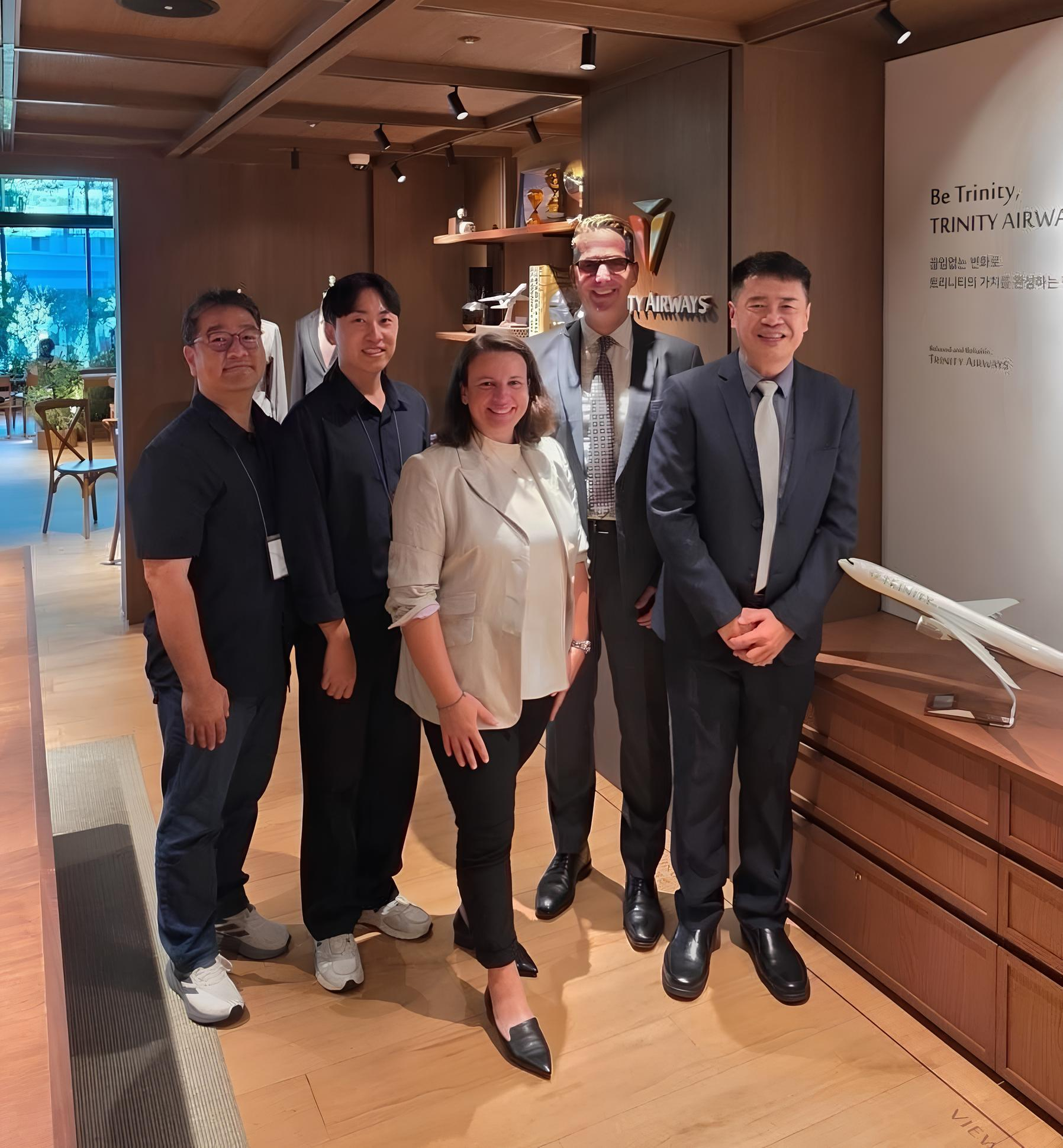
Jettainer and Trinity Airways have extended their agreement for managing aircraft unit load devices, continuing a relationship established in 2022 and preparing for a later introduction of connected equipment tracking. The renewal maintains the specialist provider’s responsibility for the airline’s lightweight ULD fleet and the operational coordination required to keep containers and pallets available throughout its network.
Trinity Airways previously operated as T’way Air and began working with Jettainer when establishing its container fleet. The carrier has continued using lightweight units as its requirements developed, while Jettainer has supplied fleet management and operational support. The latest agreement extends those established arrangements rather than transferring an existing fleet to a new provider.
Unit load devices consolidate baggage, cargo and mail into containers or onto pallets that can be secured within compatible aircraft. Their dimensions, restraint features and loading limits must correspond to the aircraft’s systems, enabling multiple packages to be moved together without compromising the required distribution and restraint of the load.
That role distinguishes ULDs from ordinary warehouse containers. Equipment must remain within applicable aviation serviceability limits, and damaged components may require inspection, repair or withdrawal from use. A fleet manager must therefore track both the number of units at each station and their condition before they can be allocated to arriving or departing flights.
The airline’s preference for lightweight units also affects aircraft loading. Reducing container tare weight may lower the mass transported or allow a greater share of the permitted weight to be allocated elsewhere, depending on the flight and cargo. Jettainer has not disclosed the weight reduction achieved by Trinity Airways or a quantified fuel saving from the fleet.
Jettainer’s ULD Control Desk supports the day-to-day allocation and management of that equipment. Units regularly pass between airports and ground handling organisations, and the route followed by a container may differ from the aircraft journey on which it was originally carried. Equipment can accumulate at an arrival station while another location requires empty containers for its next departures. The fleet record must reflect containers in transit, units retained by handling providers and equipment withdrawn for inspection. A planned aircraft departure may therefore require an availability decision based on the status of several groups of assets, not simply the quantity recorded at its departure airport.
Balancing these inventories involves reviewing available stock, identifying units requiring maintenance and deciding when repositioning is necessary. Unnecessary transfers add handling work and transport expense, while an equipment shortage can complicate baggage or cargo loading. The renewal announcement does not provide fleet utilisation or repositioning statistics, so those operational outcomes cannot be quantified for the contract.
The partners intend to introduce Internet of Things tracking to improve their information about ULD locations and movements. Sensors or tracking devices can provide additional event records as equipment travels through airports and handling facilities, helping fleet managers identify missing units or assets that remain in one location longer than planned.
Reliable tracking depends on more than fitting a device to a container. Communications coverage, battery condition, the recording of handling events and the ability to reconcile information across organisations all affect whether asset locations are represented accurately. Where a device loses connectivity, the last recorded position may not represent the container’s current location.
Connected records can make the movement history easier to examine, but they do not independently establish that a unit remains suitable for loading. Damage assessment and physical examination remain necessary even where a tracking system has recorded every airport through which a container passed. IATA’s guidance treats ULD inspection and appropriate handling as parts of maintaining aviation equipment in serviceable condition.
Before connected tracking can support allocation decisions, asset records must be reconciled with events captured by ground handlers and station personnel. A container may be physically returned while a tracking record is delayed or incomplete, leaving fleet managers to verify the equipment’s status through existing processes. Introducing a new data source therefore requires integration with the control desk’s established records and a way to resolve conflicting information between systems. The agreement does not describe how these arrangements will be implemented.
The companies have not specified which tracking hardware will be used, how much of the fleet will be equipped or when the deployment will begin. Greater transparency and efficiency have been identified as intended benefits, without published performance targets or results from an operating system under this renewed agreement.
Continued outsourcing provides Trinity Airways with an established organisation for equipment allocation, maintenance coordination and network support while it considers that digital extension. The duration and financial value of the renewal have not been disclosed. The confirmed step is the continuation of ULD management, with IoT tracking remaining a future element of the partnership.