IN Brief:
- Kellner & Kunz is advancing warehouse automation through Infios supply chain execution technology.
- The project supports inbound logistics and industrial parts distribution.
- The deployment reflects rising automation demand across C-parts, MRO, and industrial supply networks.
Kellner & Kunz is extending its warehouse automation strategy with Infios supply chain execution technology, strengthening inbound logistics and industrial parts distribution.
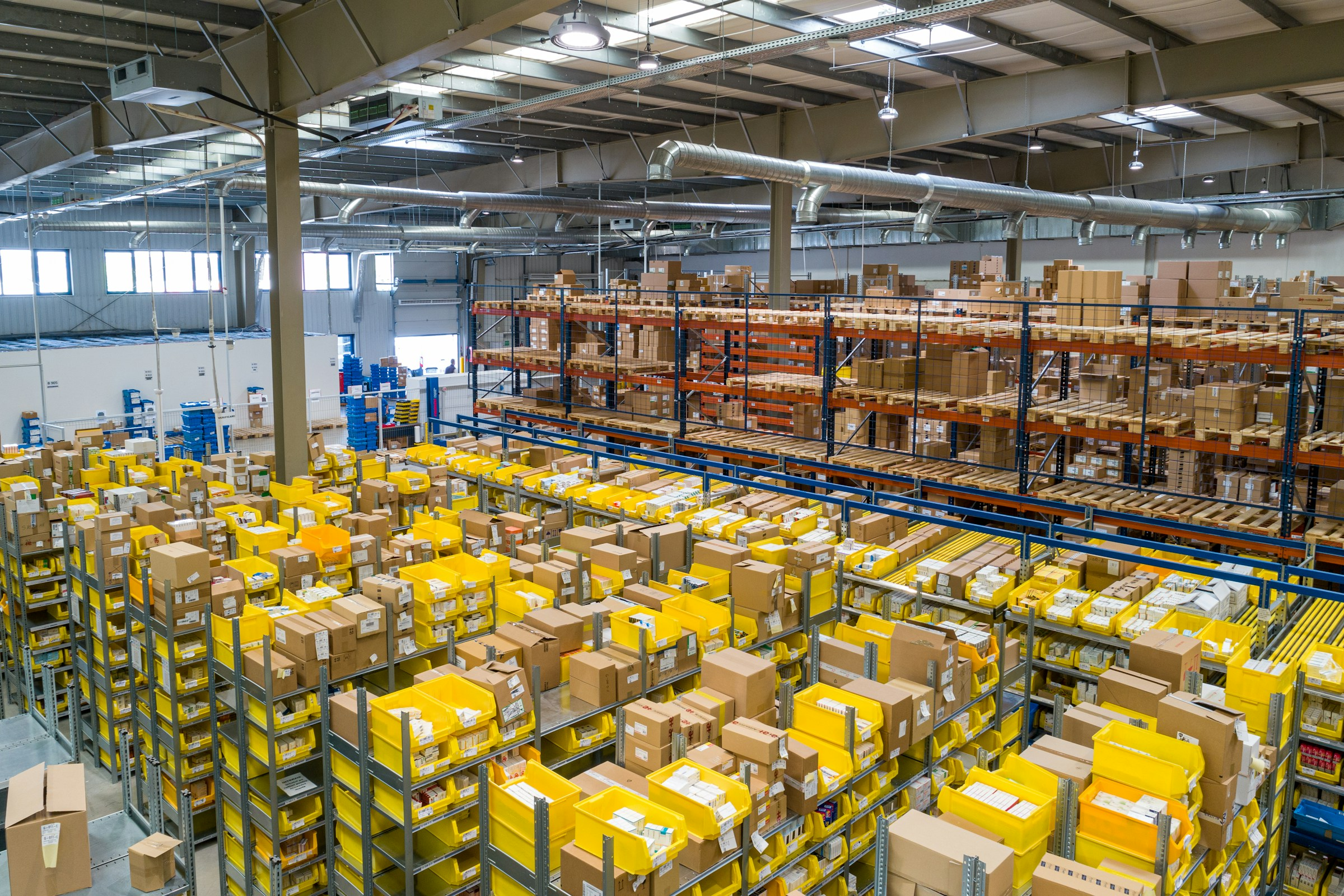
The project focuses on the control layer behind automated warehouse operations. Kellner & Kunz supplies tools, fastening technology, C-parts, and industrial consumables, all product groups that create demanding logistics requirements despite their often modest unit value. High SKU counts, frequent replenishment, mixed order profiles, and service-sensitive customers make execution consistency central to the operating model.
C-parts supply can look minor on a balance sheet and still create serious operational risk. A missing fastener, tool, or maintenance item can interrupt assembly, repair, installation, or production activity. Distributors serving this market need accurate inventory, rapid picking, dependable replenishment, and disciplined inbound handling because the cost of a missing item can sit far beyond the item itself.
Automation in industrial distribution is therefore less about visible robotics and more about warehouse orchestration. Supply chain execution software has to coordinate inbound goods, storage locations, picking, replenishment, order release, packing, dispatch, and exception handling. As automated systems are added, the software layer becomes more central because it decides how work is sequenced across people, machines, stock, and transport deadlines.
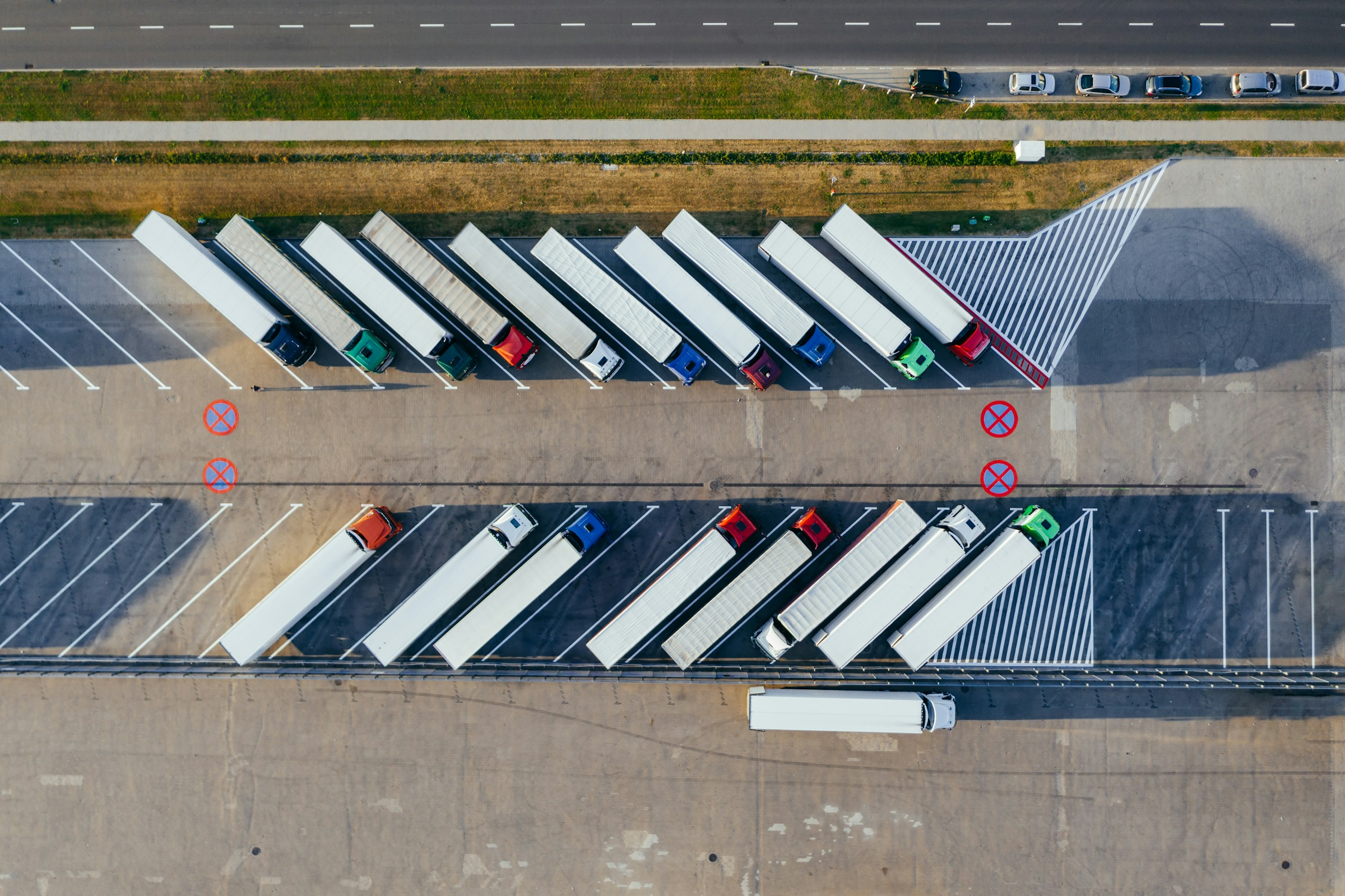
The inbound logistics focus is especially important. Many warehouse automation projects concentrate on outbound picking because customer service failures are most visible at dispatch. Poor receiving accuracy, slow putaway, weak supplier labelling, or delayed stock availability can create the same service failure earlier in the process. Goods may be physically on site but commercially unavailable if inbound control is poor.
Kellner & Kunz’s automation work sits within a wider industrial distribution shift. Customers expect faster delivery, clearer availability, and tighter digital ordering, while distributors are managing labour shortages, cost pressure, and expanding stock profiles. Manual processes remain workable in stable, low-volume environments, but they become harder to scale when customers expect precise fulfilment performance across thousands of lines.
The same brownfield pressure is visible in TD SYNNEX’s automation upgrade at Aalst, where a long-established warehouse was modernised rather than replaced. Industrial distributors face similar decisions. Existing facilities hold workforce knowledge, established supplier routines, and customer-specific processes, but they also carry structural constraints and legacy workflows that can limit productivity.
Automating those sites requires discipline. Existing warehouses rarely offer perfect layouts, clean data, or unlimited implementation windows. Projects have to be phased around live service, integrated with established systems, and accepted by the people who will work with the technology every day. The strongest projects tend to improve flow without destabilising the routines that customers already rely on.
Industrial parts distribution is also becoming more data-led. Customers want lower working capital without losing availability, while distributors need better demand signals to avoid overstocking slow-moving items. Execution systems can support those decisions if stock accuracy, process discipline, and order visibility are strong enough to make the data trustworthy.
Infios’ role gives the Kellner & Kunz project a clear warehouse execution focus rather than a simple equipment upgrade. That distinction is important. The most productive industrial logistics operations are not necessarily those with the most hardware, but those where inbound flow, storage logic, picking, replenishment, and dispatch are coordinated cleanly.
C-parts may be small, but the logistics systems behind them increasingly need to behave like higher-value supply chains. Kellner & Kunz’s automation strategy shows how industrial distribution is moving away from manual resilience and toward controlled execution, where availability depends on the accuracy of every small movement inside the warehouse.