IN Brief:
- KLM intends to handle freight from passenger aircraft and dedicated freighters within its own Schiphol warehouse.
- Process changes, increased automation, and more flexible staff deployment are intended to support higher cargo volumes without additional recruitment.
- The consolidation will prepare cargo operations for a new terminal scheduled for completion in 2035.
KLM plans to consolidate cargo handling for passenger aircraft and dedicated freighters within its own warehouse at Amsterdam Schiphol Airport, as part of a restructuring intended to improve operating productivity and reduce costs. The airline expects to accommodate additional transfer cargo through simplified processes, greater automation, and more flexible deployment of existing employees, without recruiting additional staff for the increased volumes.
The consolidation will also prepare KLM Cargo for a new cargo terminal scheduled for completion in 2035. Until that facility becomes available, the airline intends to develop its existing warehouse operation to handle freight moving through both parts of its aircraft network. It has not announced the precise timetable for transferring individual cargo activities or specified the investment required for the changes.
Cargo carried on passenger aircraft typically travels in the lower-deck holds beneath the passenger cabin, while dedicated freighters provide additional loading arrangements and capacity for larger shipments. Although the aircraft configurations differ, freight from both services requires ground handling processes covering receipt, documentation, security screening, consolidation, storage, and movement between the warehouse and aircraft stands.
Those activities must be coordinated with aircraft arrival and departure schedules. Freight arriving for transfer to another flight may have a relatively short period in which to pass through the necessary handling stages. Delays during unloading, warehouse processing, or preparation for the connecting aircraft can prevent a shipment from reaching its intended onward service.
KLM intends to attract more transfer cargo through Schiphol, increasing the importance of how freight is processed between arriving and departing flights. Transfer shipments can require temporary storage and internal movement through the warehouse before being assigned to their next aircraft. The available handling time depends on the connection schedule and the operational requirements of the shipment.
Combining passenger-aircraft and freighter cargo within a single warehouse creates scope to coordinate equipment, staff, and processing areas across the two freight streams. However, the operational effect will depend on the building’s layout and the processes introduced. Consolidation does not automatically increase the space available for storing freight or remove the restrictions imposed by aircraft schedules.
Warehouse handling capacity is influenced by the rate at which freight moves through individual processing stages. Cargo acceptance, screening, build-up, breakdown, and dispatch may require different equipment and labour arrangements. Increasing the output of one stage will have limited effect if another remains constrained by storage space, equipment availability, or processing capacity.
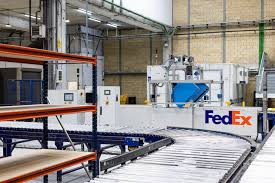
KLM plans to simplify those processes and make greater use of automation. The airline has not identified the individual automated systems it intends to install, so the programme cannot yet be described as a confirmed deployment of particular sorting machinery, automated storage equipment, or robotic handling systems.
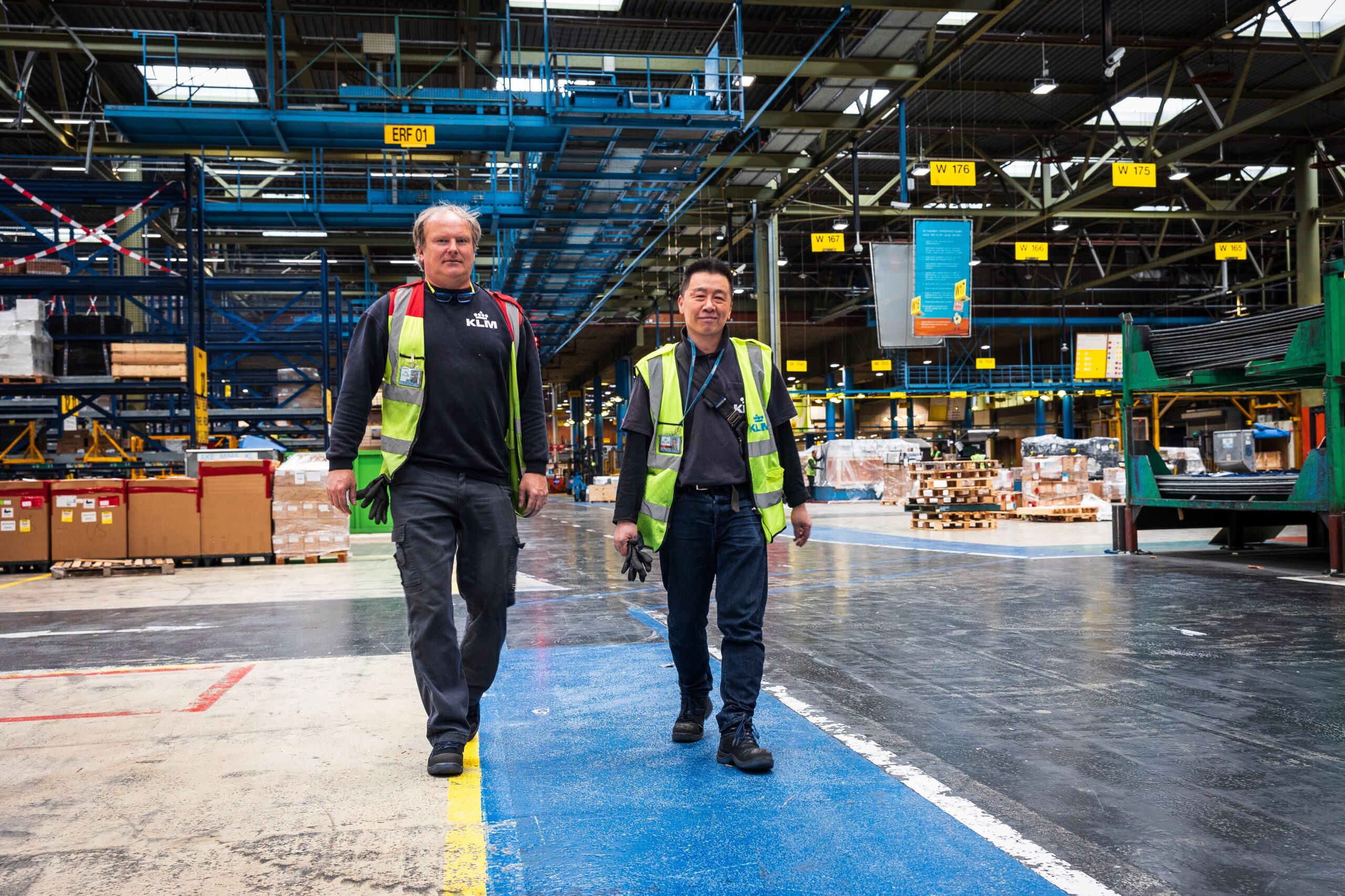
Its workforce strategy involves deploying employees across different activities to improve flexibility as demand changes. Aircraft arrivals can create concentrated periods of warehouse activity, followed by intervals with different handling requirements. The ability to move employees between tasks may help accommodate those variations, provided that the necessary training, safety procedures, and operational arrangements are in place.
KLM expects the additional cargo volumes eventually to be handled without hiring additional employees. The company has not disclosed a numerical throughput target, the number of people currently assigned to the affected warehouse operations, or a quantified improvement in cargo handling productivity.
The cargo plans form part of a wider programme intended to improve the airline’s annual earnings by a further €1bn, bringing its total improvement objective to €1.4bn. KLM has identified high operating costs, pressure on profitability, and the need to fund future fleet and customer investment among the reasons for the restructuring.
Other elements of the programme include changes to ground handling and maintenance activities. Selected apron services for European flights and baggage handling work will transfer to external providers, while the airline intends to improve coordination through Schiphol’s Hub Control Center. KLM is also pursuing closer organisational integration with Air France-KLM in certain functions.
Across the wider company, the number of positions is expected to decrease by almost another 15%. Approximately 5,000 positions have been or will be reorganised, including activities transferred to external providers and other parts of Air France-KLM. Around 1,000 fewer positions are expected to result from structural productivity measures. These figures concern KLM’s overall workforce restructuring and should not be interpreted as a specific reduction in the cargo warehouse workforce.
The airline also aims to achieve a structural productivity increase of at least 8% by 2028 across its wider operations. Its cargo consolidation is one component of the broader programme, with the individual contribution to that target not yet quantified.
Schiphol remains the centre of KLM’s international network, connecting European services with long-haul routes. Cargo transfer performance depends on the coordination of flights, warehouse processes, and ground handling resources. Concentrating freight in the airline’s own facility will change how these activities are organised, although the detailed operational configuration has not yet been published.
The planned terminal provides a longer-term infrastructure objective. Its completion is scheduled for 2035, leaving KLM to pursue its immediate cargo productivity improvements through the existing facilities and processes. The airline has not disclosed detailed construction milestones or equipment specifications for the new terminal in its restructuring announcement.
KLM’s proposed consolidation therefore combines a near-term change to warehouse operations with preparations for future infrastructure. The confirmed objectives are to handle passenger-aircraft and freighter cargo together, attract additional transfer freight, and improve productivity without proportionate recruitment. The scale of the resulting throughput improvement will depend on the systems and operating arrangements ultimately implemented at Schiphol.