IN Brief:
- The strategic partnership covers potential automation projects across KLN’s international logistics network.
- Three previous installations serve footwear brands in Shenzhen, Jiaxing, and the Middle East.
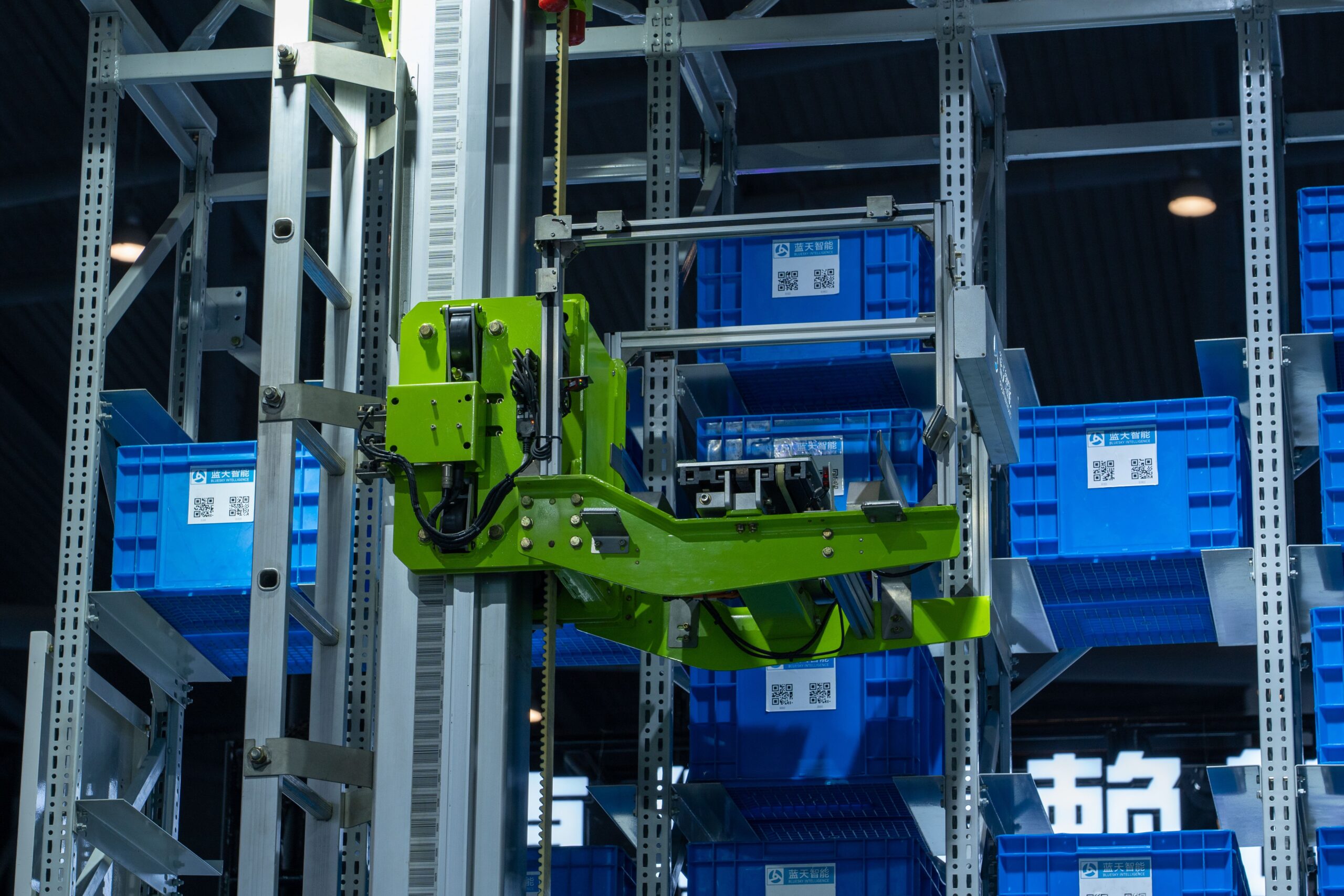
- Hai Robotics’ equipment brings stored cases to picking workstations, with software coordinating retrieval and inventory movements.
KLN Logistics Group has established a strategic partnership with Hai Robotics after the companies completed three warehouse automation projects for international footwear brands. The agreement, announced on 25 November, extends their collaboration beyond installations in Shenzhen, Jiaxing, and the Middle East, with KLN identifying further opportunities among its contract logistics customers.
The Hong Kong logistics group operates across 59 countries and territories, giving the robotics supplier access to a network serving industrial and consumer goods distribution alongside ecommerce fulfilment. The companies have not named the footwear brands or disclosed the number of robots installed at the three sites. Nor have they specified a purchase commitment for further equipment under the new agreement.
Hai Robotics develops automated storage and retrieval systems built around mobile robots capable of collecting cases from warehouse racking. In the supplier’s HaiPick range, selected models can access storage positions at heights of up to 12 metres. The robots collect containers and carry them to workstations, allowing an operator to pick the required items while remaining in a defined working area. Other configurations combine the case handling robots with faster mobile vehicles responsible for transferring containers between the storage area and picking stations.
Those configurations separate the retrieval of stock from the manual act of picking an individual product. Footwear distributors often need to distinguish between several sizes and colours of otherwise identical products, creating large numbers of stock keeping units that may occupy relatively little space individually. Bringing a selected case to an operator can reduce walking between storage locations, but the correct product must still be identified and confirmed before the order is completed.
Warehouses serving both stores and ecommerce customers must also handle different order profiles. Store replenishment can involve multiple units of the same product, whereas individual online orders may require one pair from a case containing several sizes or styles. A picking station handling both types of order needs a way of routing the completed items into the appropriate consolidation, packaging, and dispatch processes without losing the association between the product and the order.
The robotics supplier’s HaiQ software manages tasks such as storage allocation, robot routing, and order prioritisation. Its connection to a warehouse management system allows the operator to issue retrieval requests against the underlying inventory record. If the physical contents of a case differ from that record, however, the warehouse still needs an exception process to locate the correct item and reconcile stock. The quality of inventory data remains important irrespective of the speed of the retrieval equipment.
Modular automation offers contract logistics providers a route to expanding capacity without necessarily redesigning an entire warehouse. Additional robots can support more retrieval operations, while further racks increase storage capacity. Neither measure automatically increases completed orders if the workstations, packing equipment, or dispatch area cannot accommodate the extra activity. The relationship between storage capacity and processing rate therefore has to be established separately when a customer specifies an installation.
The physical layout also determines the practicality of a retrofit. Rack height must fit the available clearance and fire protection arrangements, while floor loading, traffic separation, and access for maintenance affect where robots and storage equipment can operate. These constraints differ between facilities, even when warehouses serve customers in the same industry.
Other logistics providers are applying automation to the movement of larger units of inventory. A recent Mujin installation at Green Logistics uses six robots to handle mixed cases from automated storage. Case-level retrieval and robotic case picking address related but distinct activities: one brings the stock into position, while the other transfers it into the required outbound configuration.
The duration and scope of a contract logistics agreement also influence the choice of equipment. An installation tailored to a particular stock profile may require modification if another customer takes over the space or if the original customer changes its product range. Standardised containers, replaceable modules, and documented software interfaces can make such changes easier, although the extent of reconfiguration will depend on the original system design.
KLN plans to use its experience of the three operating footwear facilities when identifying further applications with Hai Robotics. The companies have yet to identify the next deployment, its commercial terms, or its planned capacity. Subsequent projects will show whether the partnership extends the same handling approach to additional stock profiles or introduces different configurations for the industries concerned.