IN Brief:
- The Port of Los Angeles has published a Draft Environmental Impact Report covering Phillips 66's proposed marine oil terminal improvements.
- Plans include a new loading facility at Berths 150–151, pipeline and vapour recovery upgrades, and continued use of Berths 148–149 during construction.
- Public comments are invited until 4 January 2027; the review does not constitute construction approval.
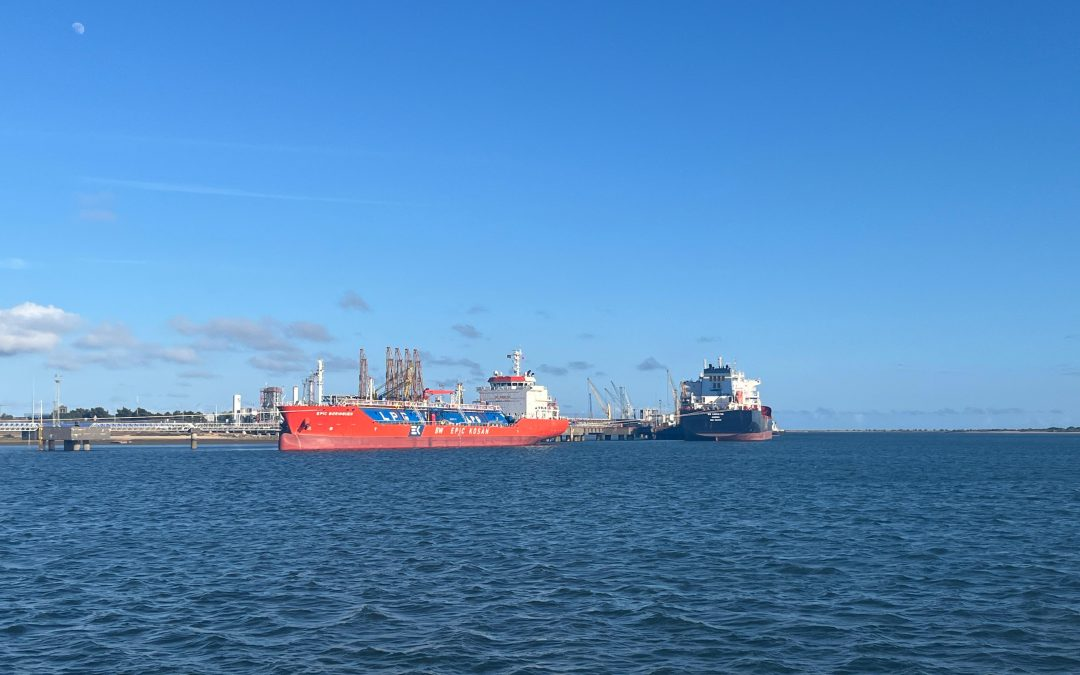
The Port of Los Angeles has opened public review of proposed improvements to a marine oil terminal operated by Phillips 66 in Wilmington, California. The project would replace existing waterfront loading infrastructure with a new facility at Berths 150–151, supported by modifications to pipelines, vapour recovery equipment, and other landside systems.
The Port published a Draft Environmental Impact Report on 19 November 2026, establishing the latest formal assessment stage for the Berths 148–151 Marine Oil Terminal and Wharf Improvements Project. The report examines the proposed work and its potential environmental effects before the relevant authorities decide whether the development should proceed.
Phillips 66 proposes to construct a new berthing facility at Berths 150–151 designed to meet California’s Marine Oil Terminal Engineering and Maintenance Standards (MOTEMS). These standards address the engineering and maintenance requirements of facilities transferring petroleum and related liquid products between vessels and shore installations.
The existing wharf at Berths 148–149 would continue operating as a marine oil terminal while the replacement facility is built. After the new infrastructure becomes available, the older berths would be restricted to other activities, including storage of topside equipment and occasional mooring of harbour craft. The planned transition would allow some existing cargo activity to continue during construction, subject to operating restrictions and the availability of the required facilities.
Marine oil terminals depend on dedicated transfer systems rather than the crane arrangements used to lift standard shipping containers. Products move between a vessel and shore through loading connections linked to pipelines, pumps, valves, and associated equipment. Their operation must take account of the characteristics of the product, the pressure and flow conditions permitted by the transfer system, and the arrangements used to manage abnormal events.
The connection between the vessel and shore must also accommodate movement caused by changes in loading, tides, and other conditions. Loading equipment operates within defined mechanical limits, while procedures are required to prevent uncontrolled product movement during connection, transfer, and disconnection. The wharf structure and its supporting foundations must be capable of carrying the equipment and resisting the loads associated with vessel operations.
New facilities at Berths 150–151 would therefore require more than a replacement platform. Pipeline routes, loading connections, control systems, and the associated shore infrastructure must be compatible with the intended vessels and products. The proposed project includes modifications to existing piping, vapour recovery systems, support equipment, and tankage so that the new waterfront installation can operate as part of the established terminal.
Vapour recovery equipment is used to control vapours released during certain liquid cargo handling operations. The precise arrangement depends on the product being transferred and the applicable environmental requirements. Its performance must be assessed alongside loading rates and other operating conditions, because capturing vapours is one component of the wider transfer process rather than a separate transport activity.
Pipeline modifications can also affect how cargo is routed through the terminal. Individual lines need to connect the appropriate loading positions with storage or other handling equipment, while their operating limits must match the intended product flow. Changes to a waterfront berth may therefore require alterations farther inland before the replacement facility can become operational.
Phillips 66’s proposal includes consideration of up to 40 years of continued marine oil terminal activity. The company is seeking a new 20-year operating entitlement with the possibility of two additional ten-year extensions. These periods form part of the development under review, not authorisation already granted or a guarantee that operations will continue for the maximum duration.
Long-term terminal operation also creates environmental assessment requirements extending beyond the initial construction work. Vessel movements, cargo handling, air emissions, marine conditions, and surrounding land uses can all be relevant to the assessment. The Draft Environmental Impact Report is intended to identify potential effects and consider measures that could reduce them.
Replacing infrastructure at an active terminal introduces an additional set of operating constraints. Construction contractors need access to the waterfront and associated utilities, while the existing operation must maintain suitable arrangements for vessel berthing and product transfer. The proposed continued use of Berths 148–149 would separate some established handling activity from the main replacement works.
The practical effect on vessel movements will depend on the construction sequence and the facilities available during each stage. A reduction in usable berths can affect the number of ships that can be handled simultaneously, while changes to loading connections or pipelines can restrict particular cargo movements. The Port has not published a confirmed construction start date or a quantified forecast of vessel delays during the proposed work.
The project is described primarily as a replacement and improvement programme rather than a confirmed expansion in the quantity of petroleum products handled. No verified increase in annual throughput has been established in the November release. The availability of more modern infrastructure could affect operating reliability, but the scale of any future improvement would depend on the approved design and its performance in service.
The environmental assessment began before the latest draft was published. An Initial Study and Notice of Preparation were released in February 2023, establishing the scope of the review and providing an opportunity to identify matters requiring further examination. The November 2026 document advances that process by setting out the Port’s draft assessment for public scrutiny.
Comments on the draft are invited until 4 January 2027. Submissions may address the project’s environmental effects, proposed mitigation, and the completeness of the information used in the review. The Port will consider relevant responses as it prepares the subsequent environmental documentation.
The review must be completed before the responsible authorities determine whether to approve the proposed development and any associated conditions. Changes to the scheme may arise through that process, including requirements affecting construction or future operation. Publication of the draft report does not authorise Phillips 66 to begin the proposed wharf improvements.
Marine oil terminals remain part of the infrastructure connecting waterborne energy cargo with shore storage and distribution systems. Their reliability depends on the condition and compatibility of both the marine and landside equipment. At Berths 148–151, the immediate milestone is the release of the environmental assessment, with the next decisions depending on the consultation findings and the Port’s subsequent review.