IN Brief:
- Lufthansa Cargo used transport logistic China 2026 to highlight Asia-Pacific network capability.
- The carrier promoted Boeing 777F operations, digital freight tools, API integration, and tailored industry solutions.
- China-Europe air cargo planning is being shaped by high-tech manufacturing, e-commerce, and emissions reporting pressure.
Lufthansa Cargo has used transport logistic China 2026 to strengthen its Asia-Pacific freight message, placing network capacity, digital booking, API integration, and lower-carbon cargo options at the centre of its Shanghai activity.
The carrier exhibited alongside GlobeCross, International Cargo Center Shenzhen, and SWISS WorldCargo, using the event to present its global network and tailored industry services for customers moving freight between Asia, Europe, and wider international markets. China remains one of the most significant origin markets in global air cargo, with demand shaped by high-tech manufacturing, e-commerce, automotive components, healthcare goods, and premium retail flows.
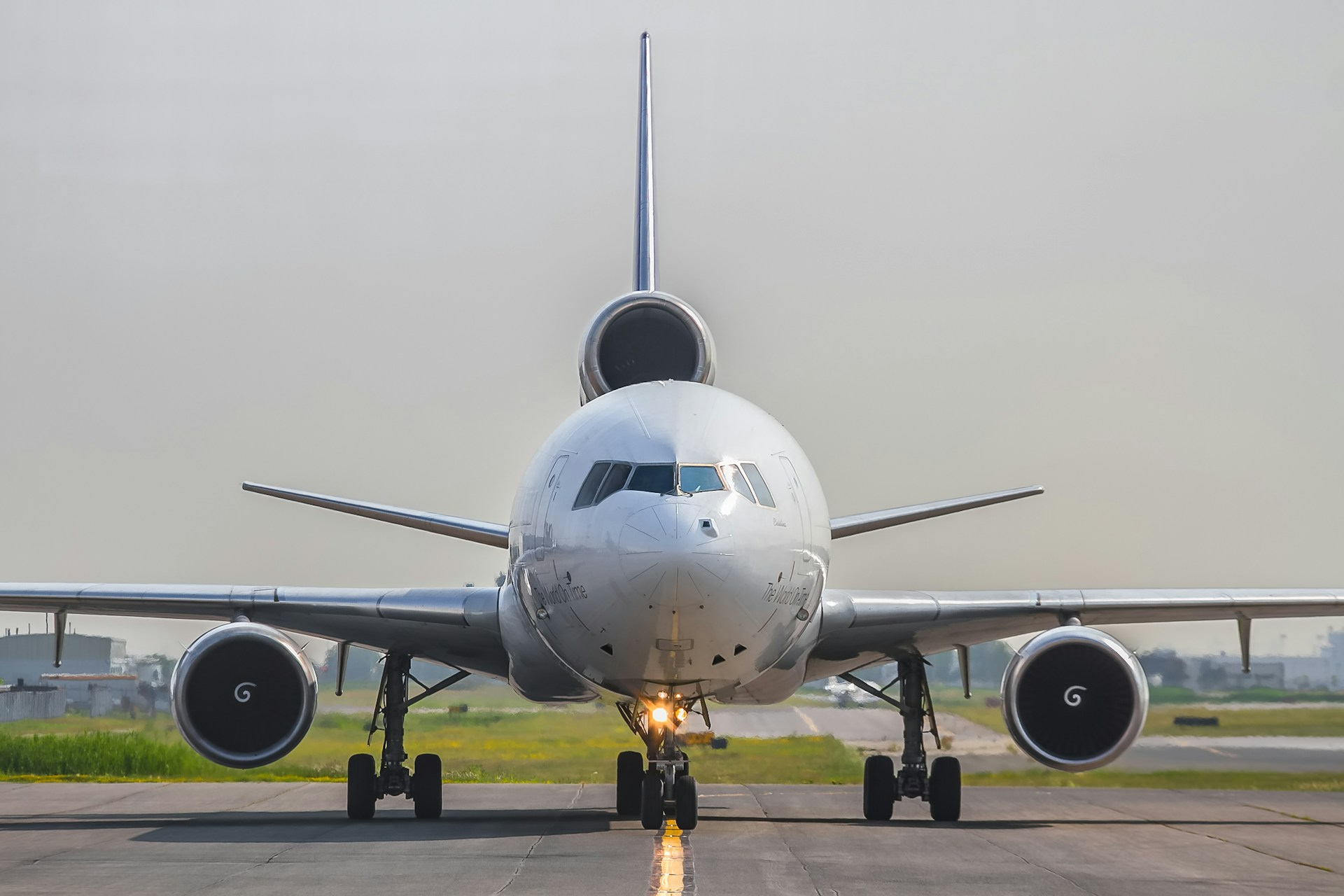
Lufthansa Cargo’s Asia-Pacific capability is built around long-haul freighter capacity and access to major Chinese gateways. Boeing 777F services support movement from Chinese cities into the European network, while the carrier’s digital tools are designed to make booking, data exchange, and shipment management easier for forwarders working across multiple platforms and customer systems.
Those digital functions are becoming more than administrative improvements. Air cargo remains a high-cost mode, so its value depends on speed, reliability, and control. If booking is slow, shipment data is incomplete, or exception handling is delayed, the premium paid for air freight is undermined. API integration gives forwarders and shippers a route toward fewer manual touchpoints, faster status updates, and better integration with internal planning systems.
The Asia-Pacific freight picture is also becoming more distributed. While China remains the dominant manufacturing base, Southeast Asian production is expanding, and transpacific capacity is being adjusted around new origin points. That shift was visible in CEVA’s recent decision to add controlled freighter capacity linking Hanoi and Wuxi with Chicago, a move that placed Vietnam deeper into transpacific air cargo planning. Lufthansa Cargo’s Shanghai activity sits on the Europe-facing side of that same adjustment, with China-Europe lanes continuing to require dependable lift and better digital integration.
Air cargo demand from Asia is increasingly shaped by product cycles rather than simple volume. Electronics manufacturers, fashion retailers, automotive suppliers, and e-commerce platforms all need freight options that can compress lead times when inventory positions change. The mode is also used to recover service when ocean delays, production disruption, or customs issues threaten delivery commitments.
That makes resilience a commercial product. Buyers do not only want aircraft space; they want confidence that capacity is bookable, data is available, and exceptions can be managed quickly. The growth of direct digital booking and API tools reflects the pressure on forwarders to reduce friction while giving customers a clearer view of what is happening across the shipment lifecycle.
Sustainability is now part of the same procurement decision. Sustainable aviation fuel remains constrained by cost and availability, but major shippers are putting more scrutiny on Scope 3 freight emissions. Air cargo will not become low-carbon quickly, yet carriers able to offer SAF-backed options, transparent reporting, and credible route-level data will be better placed with customers that have emissions commitments running through their logistics contracts.
The commercial balance remains difficult. Air freight is often used because another part of the supply chain has become tight, unstable, or urgent, and that urgency limits the scope for slow optimisation. Even so, the direction is clear: high-value freight is being measured through capacity, data quality, and emissions transparency at the same time.
Lufthansa Cargo’s Asia-Pacific push shows how premium freight is being rebuilt around connected systems rather than capacity alone. On China-Europe routes, the winning proposition will combine reliable lift, cleaner digital handover, and sustainability options that can withstand scrutiny from procurement, operations, and finance teams.