IN Brief:
- A tribunal-established five-year agreement covers more than 1,200 Montreal longshore workers for 2024–2028.
- The new terms follow federal referral of the dispute to binding arbitration after industrial action affected port operations.
- The agreement improves contractual certainty, but it does not itself establish a quantified increase in cargo capacity or reliability.
The Maritime Employers Association has announced a five-year collective agreement covering more than 1,200 longshore workers at the Port of Montreal, following a binding arbitration process requested by the Canadian government. The agreement spans 2024 through 2028 and establishes new employment terms after an extended dispute that included strikes and work stoppages. The announcement supplies an important contractual milestone, although it does not establish a measured improvement in current vessel turnaround times.
The agreement was established by a labour dispute arbitration tribunal following a decision of the Canada Industrial Relations Board to refer the matter to binding arbitration at the federal government’s request. That process differs from an ordinary negotiated agreement voluntarily accepted by both sides. The employers’ statement on 16 October described implementation as forthcoming, so the award’s existence should not be confused with completion of every administrative and operational step required to give effect to its terms.
The five-year period runs across 2024, 2025, 2026, 2027 and 2028 rather than starting with the October 2026 announcement. The prior collective agreement had expired at the end of 2023, and negotiations were followed by strikes and stoppages. The new award addresses that historical contractual gap and sets employment terms for the remaining period. It does not provide five additional future years of certainty, nor does it establish the terms of any agreement that might be needed after 2028.
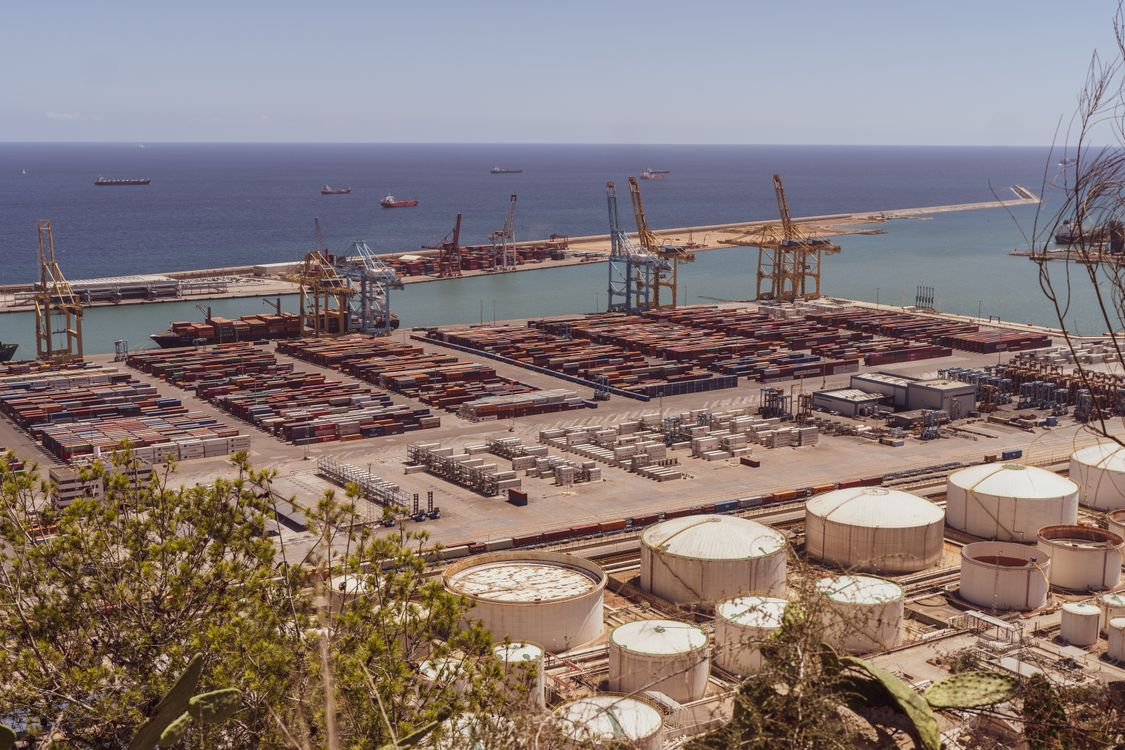
Container handling at Montreal depends on the sequence linking berth operations, terminal storage, customs release and onward road or rail transport. When a stoppage prevents vessel discharge, containers can occupy ship capacity for longer; disrupted gate or yard operations can leave cargo waiting after the vessel departs. These operating consequences explain the importance of an agreed staffing and employment framework, but the Maritime Employers Association did not publish a numerical reduction in waiting times or an improvement in container volumes resulting from the award.
Employment conditions are now set within the arbitration period, reducing uncertainty associated with the dispute that began after the previous agreement expired. Vessel scheduling still depends on cranes, berths, weather and other terminal resources, while landside performance depends on truck and rail capacity. The award should therefore not be treated as an undertaking that the port can avoid all future congestion or disruption. Its immediate verified effect is a contractual settlement, not a measured increase in handling capacity.
The Maritime Employers Association represents employers in maritime cargo operations, while the bargaining unit covers more than 1,200 longshore workers. These staff perform work at the interface between vessels, yards and inland connections, where labour deployment must match ship arrivals and equipment availability. Employment schedules are only one part of normal terminal operations: vessels need suitable berths, yard space must be available for discharged cargo and cargo documentation must allow onward release. The settlement’s operating consequences cannot be calculated without further terminal data.
The publicly identified announcement does not provide a verified tariff for every labour category or a comprehensive schedule of changes to handling charges. Labour costs may enter terminal pricing, but shippers ultimately pay charges under carrier, forwarder and terminal contracts. A five-year agreement is not evidence that any particular surcharge will rise or fall by a fixed percentage. Freight buyers will need published tariffs and their own contract terms before quantifying a change in costs attributable to the arbitration award.
The Canadian government intervened after the earlier dispute threatened supply chain continuity. Its arbitration route drew on federal labour relations powers, with the Canada Industrial Relations Board involved in referring the matter to arbitration. The resulting award is now the foundation for the five-year agreement, which distinguishes this October development from earlier reports describing the dispute and past stoppages.
A contract running through 2028 offers a defined planning period, although less than three calendar years remained when the award was announced in October 2026. Companies arranging longer logistics contracts must still account for arrangements after that expiry and for disruptions outside this labour dispute. The settlement can reduce uncertainty linked to negotiations over the 2024–2028 employment period without eliminating exposure to unrelated strikes, port equipment outages, difficult weather or congestion on inland connections.
Cargo owners using Montreal may continue to maintain alternative rail or port routings where delivery deadlines justify them. Rerouting can add distance, customs interfaces or inland handling, and an alternative terminal may have limited spare capacity. Decisions about contingency stock and transport options depend on the cargo and the wider network rather than on the existence of one labour award. The source does not quantify how many consignments, if any, can now be routed through Montreal that could not be handled previously.
The Maritime Employers Association expects implementation of the arbitrated agreement, with subsequent operating statistics needed to assess changes to vessel handling and inland connectivity. The confirmed development is the settlement of employment terms for more than 1,200 longshore workers over 2024–2028. No disclosed evidence supports claims of a guaranteed capacity increase, the end of all disruptions or a fresh agreement extending to 2031.