IN Brief:
- Naver is preparing to move into directly operated logistics infrastructure in South Korea.
- The company is scouting warehouse sites around the greater Seoul area.
- The move would challenge Coupang’s long-standing fulfilment advantage in Korean ecommerce.
Naver is preparing its first directly operated logistics network in South Korea, marking a major change for an ecommerce business that has largely relied on an asset-light marketplace model while external partners handled the physical movement of goods.
The company is evaluating warehouse sites around the greater Seoul area, including potential land purchases, acquisitions of existing fulfilment centres, and long-term lease options on both sides of the Han River. If completed, the move would bring Naver deeper into storage, fulfilment control, and delivery execution.
Naver has historically built its commerce position through search traffic, marketplace services, merchant tools, and digital infrastructure. That model reduced exposure to warehouse assets and labour-intensive operations, but it also limited direct control over fulfilment speed, inventory availability, cut-off times, and the customer delivery experience.
Coupang changed the Korean ecommerce market by building Rocket Delivery around dense logistics infrastructure, vertically integrated fulfilment, and tight operational control. Its warehouses, delivery stations, and route systems became a competitive shield as shoppers grew accustomed to fast, reliable delivery and straightforward returns.
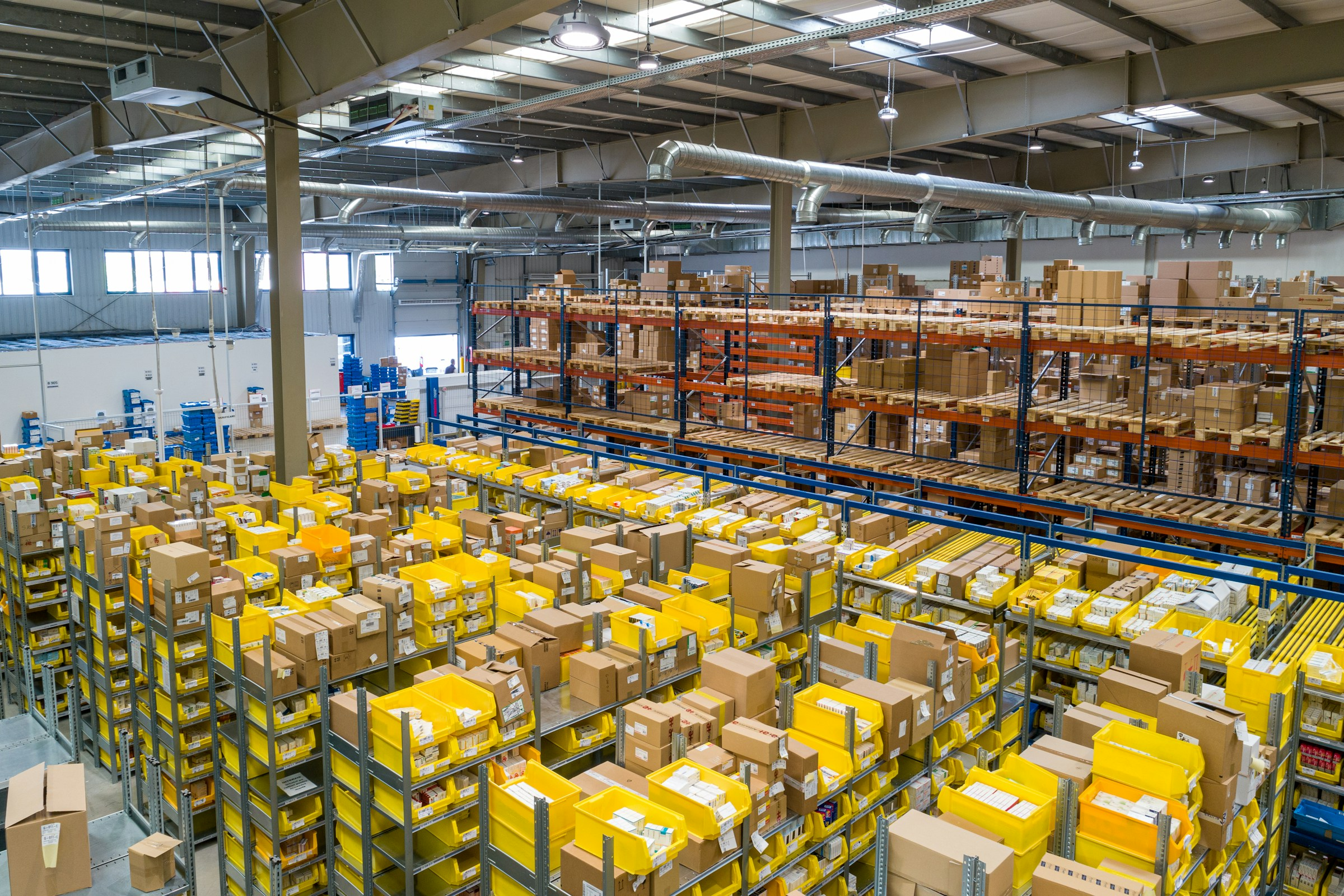
Direct logistics would allow Naver to narrow that operational gap, although the shift comes with a heavier cost base. Warehouses require capital, automation, labour planning, yard management, transport contracts, software integration, reverse logistics capability, and continuous utilisation. Asset ownership can improve service control, but only if volume density and execution discipline justify the additional complexity.
The same dynamic is visible in UK retail fulfilment, where robot-grid automation has been used to support ecommerce range expansion and service reliability. Marketplace scale increasingly depends on what happens after the order is placed: where the stock sits, how quickly it can be picked, how late a customer can order, and how returns are absorbed.
Seoul’s geography makes the challenge sharper. Dense population, high service expectations, limited warehouse land, traffic constraints, and property costs all make urban logistics a difficult operating environment. Facilities close enough to support rapid delivery are expensive, while sites farther from demand centres can undermine the service gains that direct logistics is meant to deliver.
Naver’s move also suggests that platform businesses are being forced to reconsider the boundary between digital commerce and physical logistics. Traffic, data, and merchant tools can attract sellers and customers, but fulfilment control increasingly determines retention. Late deliveries, poor inventory accuracy, or slow returns can damage a platform even when its online experience is strong.
The company will not necessarily need to replicate Coupang’s entire operating model to gain ground. A more selective network, focused on high-volume categories, strategic merchant partnerships, or premium delivery services, could give Naver more control without taking on every cost of full vertical integration. The balance between flexibility and ownership will determine whether the strategy strengthens its marketplace or weighs it down.
South Korea’s ecommerce market is now moving further into infrastructure competition. The digital storefront still wins attention, but warehouses, cut-off times, route density, and returns flows increasingly decide whether that attention becomes repeat business. Naver’s planned logistics network would put that contest on far more physical terms.