IN Brief:
- A 900,000 sq ft warehouse is planned in Liverpool and a 100,000 sq ft facility at King George V Dock in Glasgow.
- Peel Ports cites demand from fertiliser importers, chemicals businesses and other industrial occupiers.
- The development would add port-based warehousing connected to existing maritime and inland transport networks.
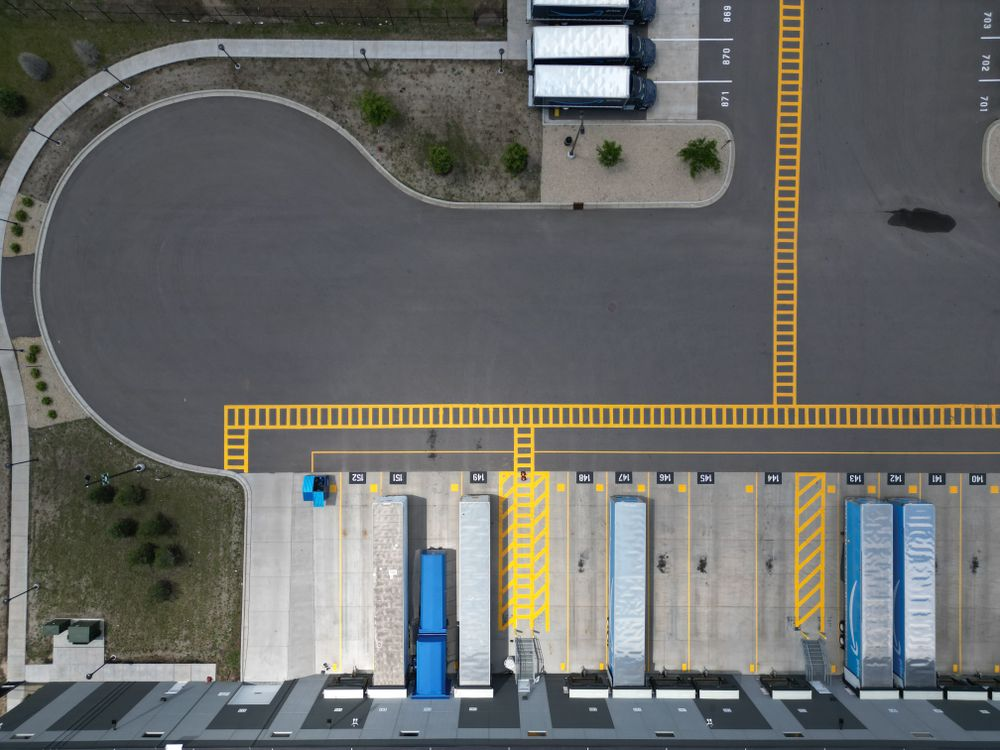
Peel Ports Group is planning approximately one million sq ft of new port-linked warehousing in Liverpool and Glasgow, responding to rising demand from industrial importers, manufacturers and bulk commodity businesses. The programme includes a 900,000 sq ft facility at the Port of Liverpool and a 100,000 sq ft warehouse at King George V Dock in Glasgow. The operator has described a phased investment, but has not published the full capital cost or confirmed when the proposed buildings will be available for occupation.
The additional storage is intended for customers handling products such as fertilisers, chemicals, defence supplies and manufacturing materials. These goods have different handling requirements, but share a need for reliable transfer between vessels, storage space and inland transport. Keeping stock near a port can reduce journeys to a separate warehouse and allow importers to divide large maritime consignments into smaller releases as domestic customers require them. The benefit depends on cargo characteristics, storage charges and the location of the final destination.
Liverpool accounts for most of the planned floor area and already has port infrastructure used by bulk importers and distributors. Peel Ports has invested in the Alexandra Complex and other warehousing arrangements serving industrial customers. The latest proposal extends that estate rather than creating a new independent port location. However, the exact specification of the new building, including its internal handling systems, loading doors and environmental controls, remains to be detailed.
The arrival of bulk cargo in vessel-sized consignments creates a storage pattern unlike the daily flow of parcels through a fulfilment centre. Goods may arrive in a large shipment tied to a vessel call, then leave in much smaller quantities over several weeks. Warehouse planning must accommodate this uneven arrival pattern without preventing access to stock already committed to customers. Product identification, segregation and accurate movement records determine whether later outbound consignments can be assembled without excessive internal handling.
Within that bulk cargo mix, fertilisers account for part of the additional demand identified by Peel Ports. Storage methods depend on the chemical composition, packaging and physical form of the product. Some fertilisers can absorb moisture, cake or deteriorate if conditions are unsuitable, making building protection and stock rotation important. Other materials require particular segregation and safety procedures. Peel Ports has not established that every form of fertiliser will be permitted in each new facility, so the eventual operating arrangements must be assessed against the goods accepted.
Chemical importers may need still different building controls where products are hazardous, reactive or require containment. The suitability of a building depends on its approved uses, fire protection, ventilation, bunding and handling equipment as appropriate to the substances involved. A general description of Grade A warehousing does not confer authorisation for the storage of every chemical. Customers will need to confirm the necessary conditions and the regulatory status of their own consignments before treating the additional capacity as available for a particular product.
The proposed Glasgow warehouse would serve a different catchment from Liverpool, with 100,000 sq ft planned for King George V Dock. The port location may suit consignments whose onward journey leads to Scottish manufacturing, construction or distribution centres. It would be misleading to assume that cargo can be exchanged freely between the two warehouses without additional transport costs, however, because they are separate facilities serving distinct routes and customer networks.
Port warehouses can improve resilience when ships arrive irregularly or downstream production demand changes, but they also introduce inventory carrying costs. Stock held close to the quay may help importers manage the gap between maritime shipment sizes and domestic delivery requirements. Conversely, goods occupying port storage for longer than planned can prevent new cargo from being received, particularly during clustered vessel arrivals. Capacity, handling equipment and road collection arrangements therefore need to be planned together.
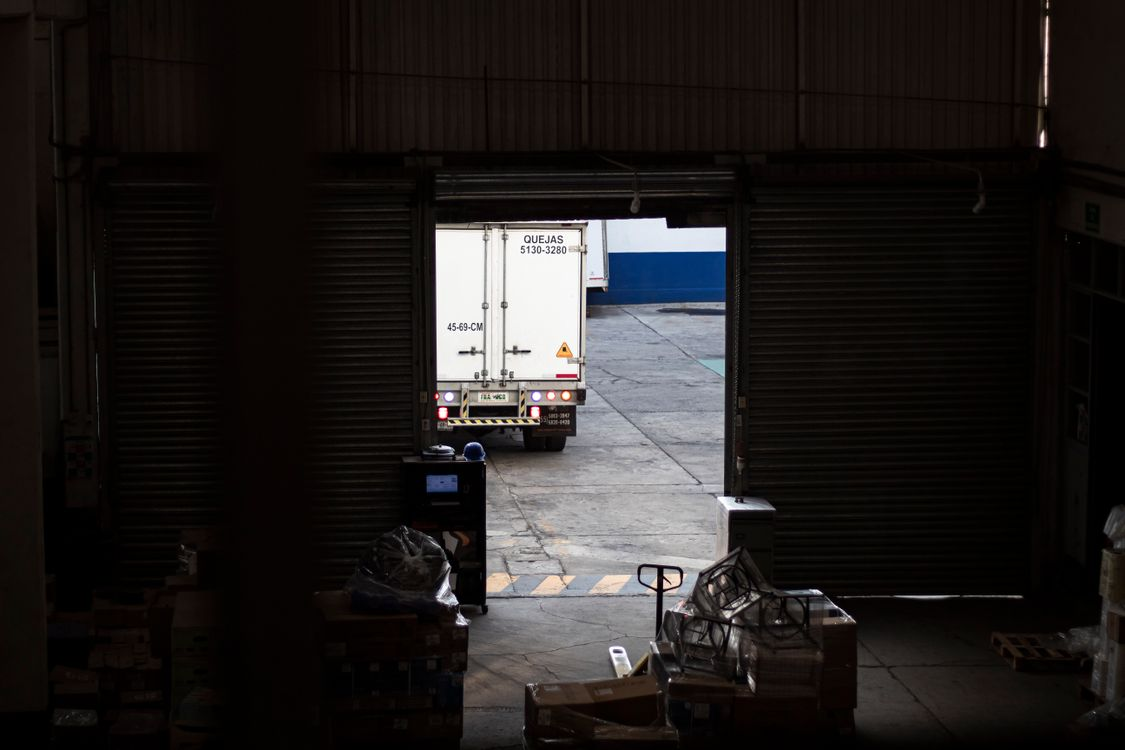
Those benefits also depend on the port’s road and rail connections, even though no dedicated new rail connection has been specified for the proposed warehouses. Moving cargo inland requires vehicles, handling resources and access windows that correspond with warehouse opening hours and ship schedules. Increased storage floor area cannot solve congestion if trucks are unable to collect goods or cargo handling equipment is insufficient to process arrivals.
The planned additions extend Peel Ports’ existing warehouse investment, but practical capacity will increase only as the individual buildings are delivered and occupied. The actual change in available warehouse capacity will depend on planning, construction and the agreements signed with occupiers. Until delivery dates and specifications are confirmed, the one million sq ft should be described as planned rather than operational. Its contribution to industrial supply chains will depend on which products the facilities can handle and how effectively they connect maritime arrivals with inland distribution.