IN Brief:
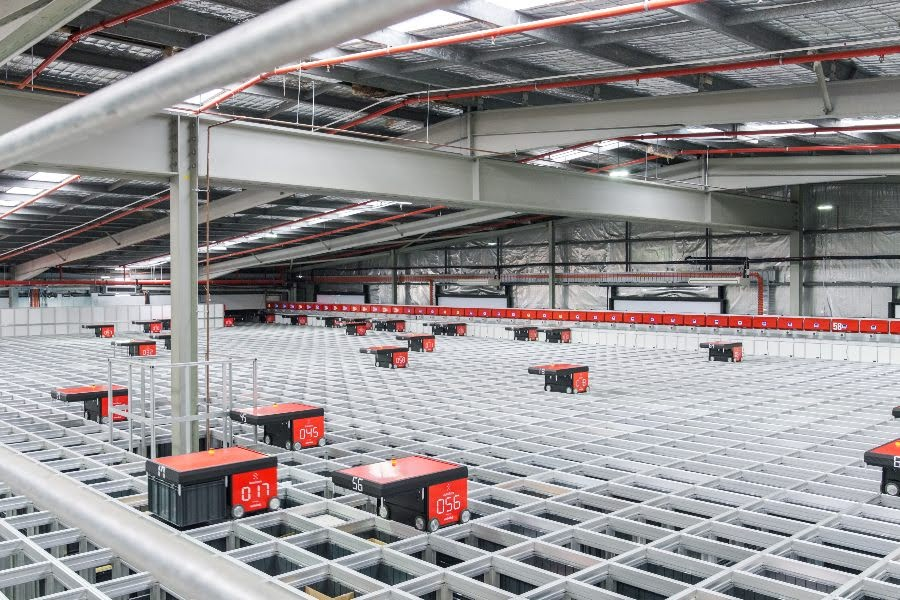
- The A$50 million centre in Altona is designed to accommodate more than 1,000 robots.
- SKUTOPIA combines automated storage, robotic picking, warehouse management software and transport allocation.
- The Melbourne facility joins the company’s Sydney operation as it expands robotic fulfilment services across Australia.
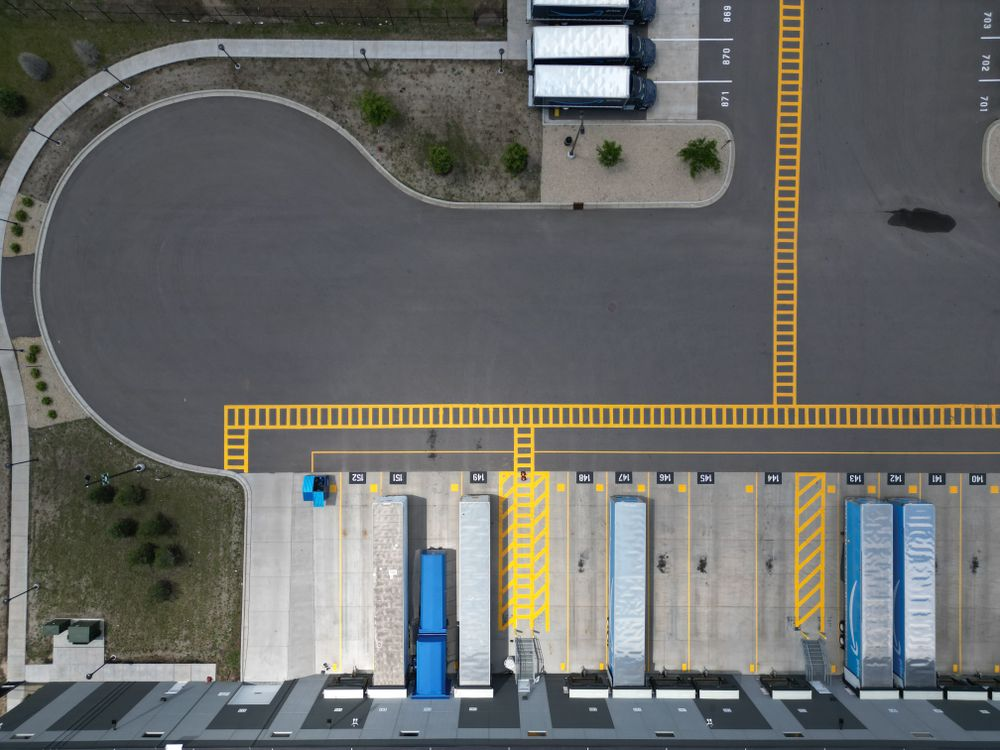
SKUTOPIA has opened its A$50 million National Distribution Centre in Altona, Victoria, expanding an Australian fulfilment network built around robotic goods handling and proprietary warehouse software. The Melbourne facility is designed to accommodate more than 1,000 robots, although the company has not confirmed that the entire proposed fleet was installed and operating on opening day. The investment adds substantial storage and processing infrastructure alongside SKUTOPIA’s existing Sydney operations and supports its plans to manage orders from businesses supplying customers across Australia.
The 8 October opening brings jobs in robotics, software engineering, artificial intelligence, information technology and logistics, according to the Victorian Government. SKUTOPIA combines automated storage and retrieval equipment with mobile robots, picking operations, packing systems and carrier connections. Its operating model is designed to handle the variation in daily order volumes and product demand that would otherwise require warehouses to change staffing or handling arrangements repeatedly through the year.
Automated storage equipment can hold inventory in dense configurations, with software determining the location of products and the sequence in which stock is retrieved for orders. Robots move bins or products between storage and picking areas, reducing the distance that warehouse employees would otherwise travel during repetitive tasks. Different order profiles create different requirements, however: a single-item parcel has a simpler picking sequence than an order assembled from several stock locations, while unusually shaped or fragile goods may need manual handling.
Retrieval speed is only useful when the warehouse system holds accurate records of stock locations, incoming receipts and reserved quantities. A warehouse management system must recognise when goods arrive, allocate them to a storage location and update the stock available to customers. When an order enters the system, software identifies the required products and coordinates picking and dispatch tasks. A robotic fleet cannot compensate for incorrect stock records; an item stored in the wrong location can disrupt the intended picking sequence regardless of how quickly the retrieval equipment moves.
SKUTOPIA has developed software that connects order information with stock forecasting, inventory allocation and robotic task assignment. The company also offers integrations with online sales platforms and carrier services, allowing order details to enter the warehouse without being retyped into a separate application. Dispatch still involves packaging, labels, carrier handover and exception handling. Successful automation requires information to remain consistent across those stages, especially where an order is split into multiple packages or contains a product requiring special checks.
Adding the Altona site alongside Sydney increases the available space but also requires decisions about where inventory should be held. Distributed storage can bring inventory closer to the destinations where orders are expected, but selecting the right location is a forecasting problem as much as a transport problem. Holding stock in two cities may reduce delivery distance for some customers while increasing the amount of inventory a business must finance. Demand patterns, the cost of moving goods between warehouses and the available transport services will determine whether the second location reduces overall distribution costs.
Once items have been picked, the packaging stage offers another opportunity to automate repetitive work and control material consumption. SKUTOPIA describes systems that size packaging to products rather than relying entirely on fixed carton sizes, with a reported potential reduction in packaging waste of up to 40%. A better fit can reduce unnecessary material and empty space, although fragile products still need enough protection to survive the distribution process. The percentage is a company claim associated with its technology rather than a measured outcome independently established for every order handled at Altona.
The company has also associated its operating model with lower emissions per fulfilled order, citing reductions of up to 75% compared with traditional warehousing. That statement should not be interpreted as a verified carbon audit of the new facility. Actual emissions depend on electricity use, equipment utilisation, packaging, the origin of goods and the distance travelled by delivery vehicles. As throughput increases, the environmental performance of the operation will have to be assessed across the whole fulfilment process rather than through the number of robots installed.
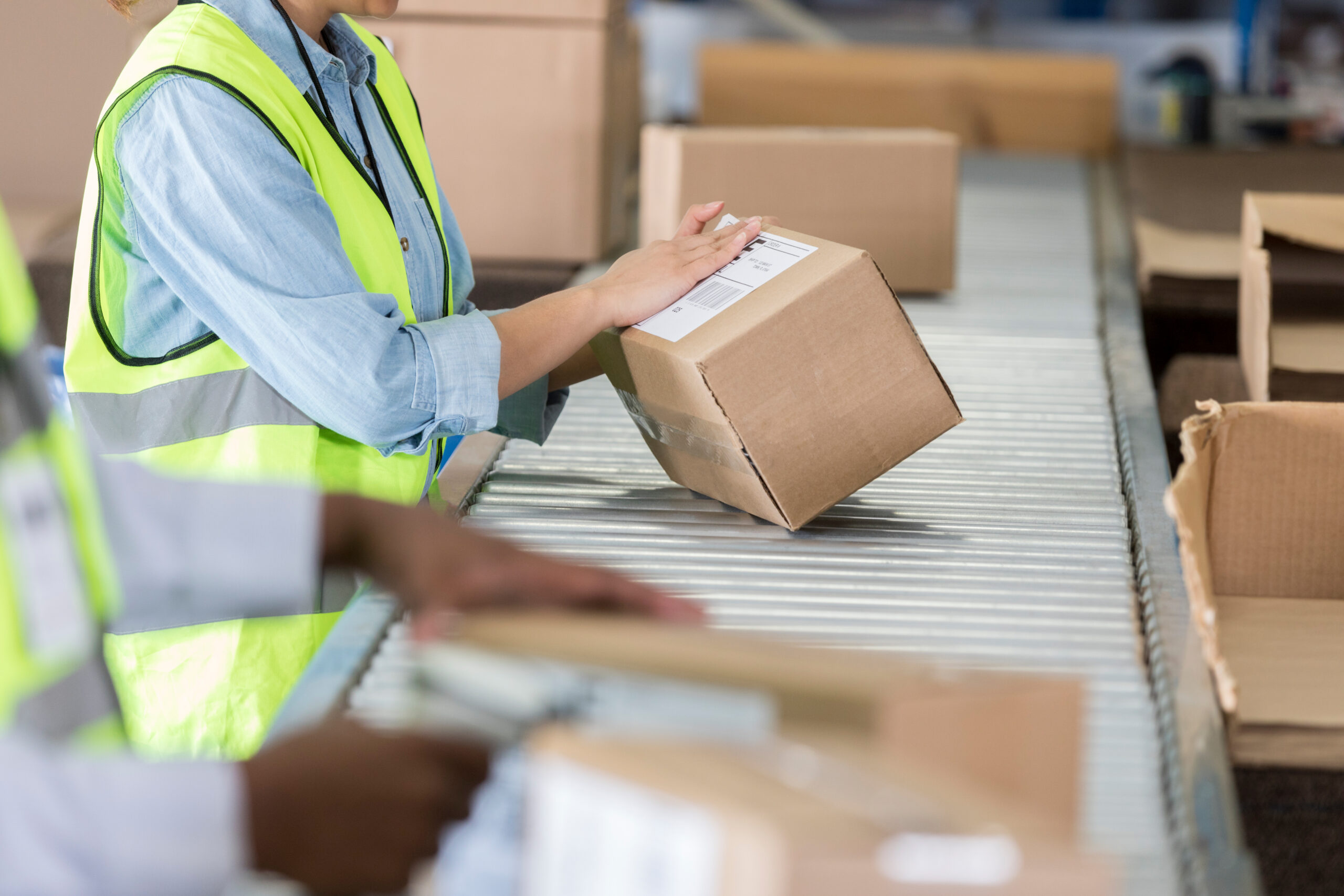
Despite the automated storage and movement systems, staff remain responsible for tasks that require inspection, exception handling and coordination with dispatch. Warehouse staff inspect incoming goods, resolve stock discrepancies, maintain machinery and deal with products outside the systems’ routine operating conditions. Robotics technicians and software teams also need to keep the equipment available, diagnose faults and apply updates without interrupting live order processing. These roles become increasingly important when a large fleet relies on coordinated movement through shared picking and dispatch areas.
SKUTOPIA reports processing more than 20,000 orders daily across its operations and has cited a 99.96% accuracy rate, but those figures describe the wider company rather than the Altona centre alone. The site’s actual capacity will depend on installed machines, operating hours, the mix of orders, availability of packing equipment and carrier collections. The A$50 million investment establishes a new facility and room for robotic growth; sustained handling performance will become clearer as throughput develops and more of the planned automation capacity is deployed.