IN Brief:
- Selected drones, docking stations, and critical components will face US tariffs of 100%.
- Other specified drones and components receive a 25% rate, with lower rates available for qualifying products from several allied markets.
- The first tariffs begin 21 days after signing, while some component measures have a 180-day implementation period.
The White House has announced a new US tariff regime for unmanned aircraft systems and components, with duties of up to 100% on selected drones, docking stations, and critical parts. The measure follows a Section 232 investigation and is intended to increase the cost of supply routes considered sensitive while encouraging more production in the United States and selected allied markets.
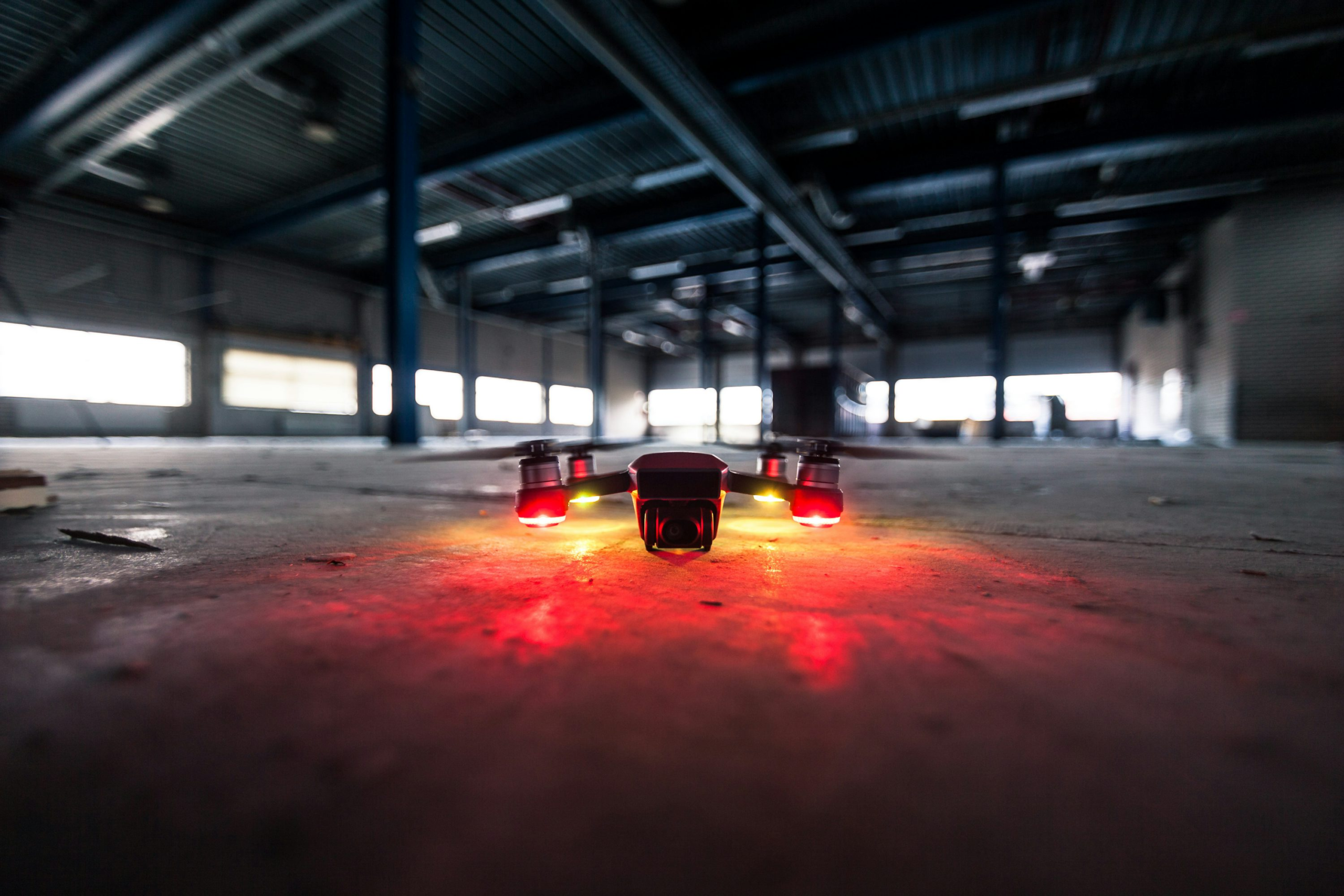
The highest rate applies to drones above specified size or capability thresholds, including unmanned aircraft with a maximum take-off weight above 25kg and drones with thermal-imaging capability. The same 100% rate also applies to docking stations for those systems and certain critical components. A separate 25% tariff covers specified smaller drones and other components.
The structure is more complicated for products originating in several US partner markets. Qualifying drones and components from the European Union, Japan, Liechtenstein, South Korea, Switzerland, and Taiwan are subject to a 15% rate, while qualifying drones from the United Kingdom are subject to a 10% rate. Those lower rates depend on substantially all relevant hardware, software, and technology originating within the named country and the United States.
Origin documentation will therefore become as important as the headline tariff percentage. A drone assembled in an allied market can still contain motors, flight controllers, sensors, batteries, cameras, communications modules, or software sourced elsewhere, and preferential treatment depends on more than the location of final assembly. Importers will need enough visibility into bills of materials and software provenance to establish whether a product meets the relevant origin condition.
The first tariffs are scheduled to take effect 21 days after the proclamation was signed on 13 August. Tariffs on components that are not considered particularly sensitive are due to begin after 180 days, while products and components approved by the Department of War for an exemption from the Federal Communications Commission’s Covered List within 20 days of signing also receive the longer implementation period.
That staggered timetable gives supply chains several different clocks to manage. Goods already ordered, in production, or moving internationally may arrive under a different tariff treatment from stock entered earlier, and distributors will have to align purchase orders, customs classifications, landed-cost calculations, and customer pricing with the applicable effective date.
The policy reaches across several industrial supply chains because UAS production combines airframes, propulsion, semiconductors, power electronics, batteries, sensors, communications hardware, navigation systems, and software. Replacing a tariff-exposed component can therefore require engineering change control, testing, qualification, cybersecurity review, or regulatory work rather than a simple switch between equivalent catalogue parts.
Long-term supply agreements may also need to be revisited where tariff responsibility was not anticipated in the original price. Incoterms determine which party handles parts of the import process, but they do not by themselves solve every commercial dispute over a newly imposed duty. Buyers and suppliers may have to reopen pricing, minimum-order quantities, or delivery terms if the customs burden changes the economics of an established programme.
The proclamation also authorises the Secretary of Commerce to establish an onshoring programme for companies making new investments in US drone and component manufacturing. That adds an investment mechanism to the tariff structure, potentially allowing domestic production projects to receive different treatment as capacity is built. The detail of that programme has yet to be set out, so its effect on individual sourcing decisions remains unresolved.
Suppliers in the UK, Europe, Japan, South Korea, Switzerland, Taiwan, and Liechtenstein have a different problem: proving enough local or US content to secure the lower rate. That can shift commercial value towards manufacturers able to document sub-tier sourcing, software ownership, and technology origin, while suppliers with opaque bills of materials may find that a nominally allied production location is insufficient.
Inventory strategy will also change. A distributor facing a 100% duty on a sensitive product may accelerate eligible imports before the effective date, reduce stock commitments, seek an alternative configuration, or negotiate a different allocation of tariff cost with the supplier. None of those choices is neutral because faster purchasing increases working capital, redesign increases qualification cost, and delayed ordering can weaken availability.
The tariff programme also creates a regionalisation incentive. Manufacturers may choose to develop US-specific or allied-market product variants using different component sets, even if that adds complexity to engineering and inventory. Dual sourcing can reduce exposure to one tariff origin, but it usually increases supplier-management and validation requirements.
The immediate commercial task is therefore classification rather than rhetoric. Companies importing UAS will need to determine which rate applies, when it becomes effective, whether preferential origin requirements can be demonstrated, and which components create the greatest cost or compliance exposure. The onshoring programme may eventually change those calculations again, but the first customs deadlines arrive within weeks.