IN Brief:
- USPS transportation expense increased 3.6% year on year to $2.138 billion during its third quarter.
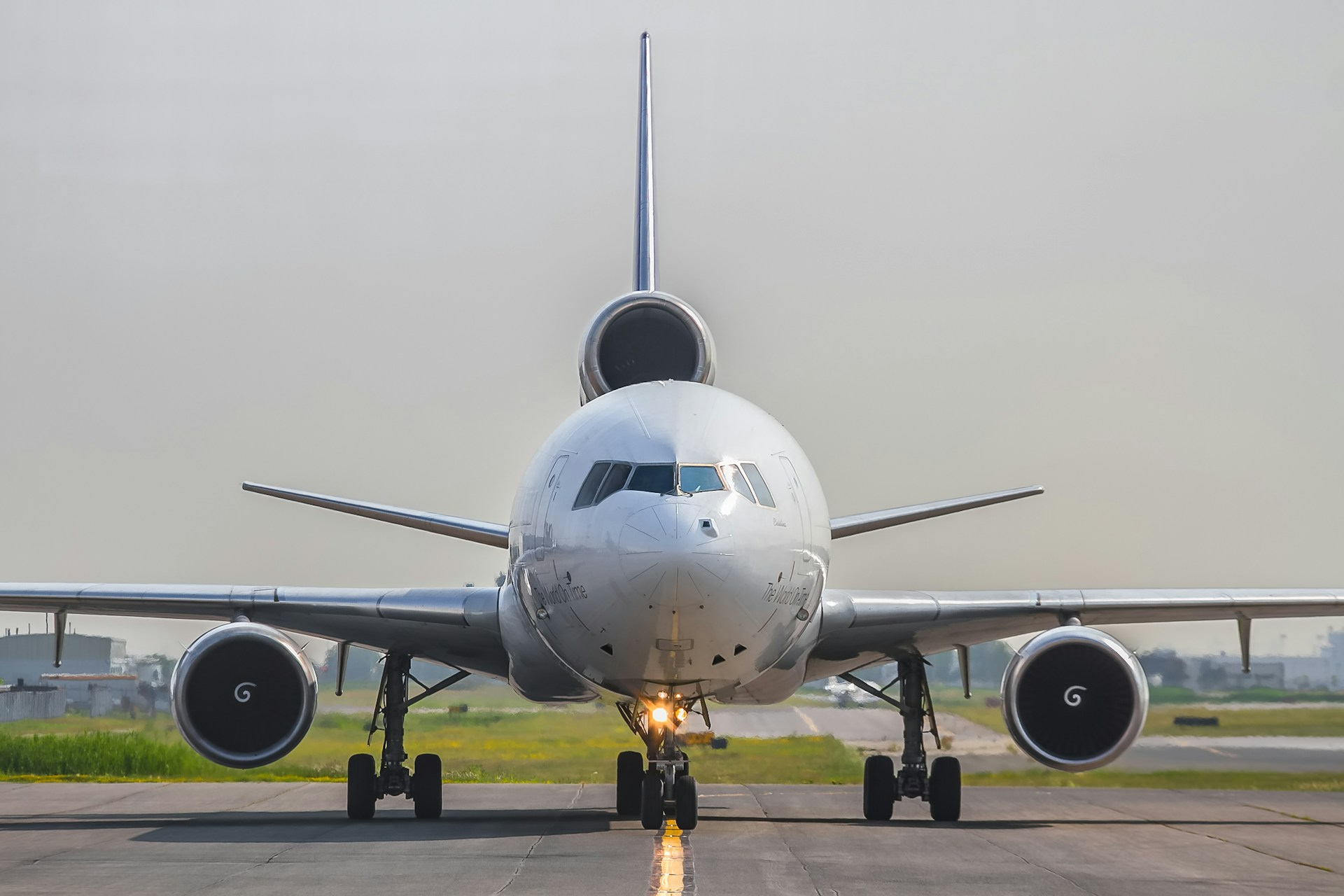
- Air transport rose 4.7% to $509 million as package volume shifted from highway to air and jet fuel costs increased.
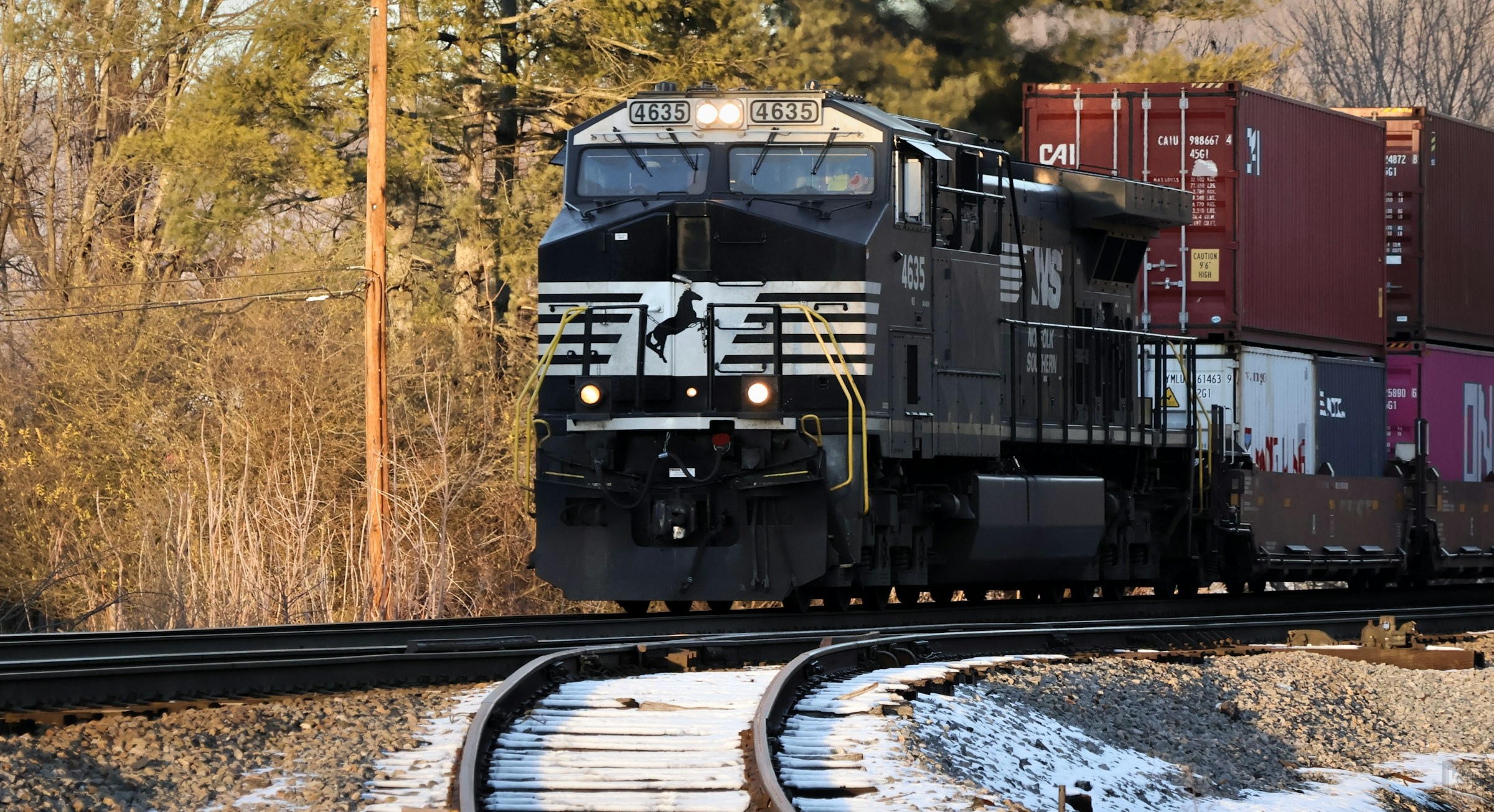
- Highway expense reached $1.564 billion, with higher diesel prices and network-realignment costs adding pressure.
United States Postal Service spent more on both air and highway transportation during its third quarter as higher fuel costs and service requirements pushed some package volume back from road to aircraft.
Total transportation expense for the three months ended 30 June 2026 increased 3.6% year on year to $2.138 billion. Highway transportation rose 4.1% to $1.564 billion, while air transportation increased 4.7% to $509 million, according to the Postal Service’s quarterly filing.
USPS said the air increase was primarily caused by shifting certain package volume from highway transport back to air to meet service standards and contract requirements, alongside significant increases in jet fuel costs. The highway increase was driven mainly by higher average diesel prices and was partially offset by that transfer of package volume to aircraft.
The change cuts across the Postal Service’s longer-term effort to make greater use of lower-cost surface transportation. A ground-heavy network can reduce expense when service standards and linehaul schedules allow it, but the economics change when the organisation has purchased air capacity that carries its own contractual volume requirements.
A July report from the USPS Office of Inspector General examined the agency’s primary air cargo agreement, which began in September 2024 and aligns with the contract awarded to UPS. The arrangement includes a minimum average daily volume, with different pricing applying when volumes fall outside the negotiated range.
Declining Priority Mail volumes have made that threshold harder to satisfy using premium package traffic alone. The Inspector General found that USPS had been moving more First-Class Mail and Marketing Mail by air to support the contracted volume and avoid less favourable pricing, even though those products have historically relied more heavily on surface transportation.
That creates a procurement trade-off rather than a simple mode-choice problem. Reserved air capacity can protect service and provide predictable access when networks are tight, but a minimum commitment transfers part of the demand risk to the buyer. If the expected package volume does not materialise, the organisation still has to decide how to use the capacity it has contracted.
USPS’s quarterly figures show the effect in the wider cost base. Highway remained by far the larger inter-facility category at $1.564 billion for the quarter, compared with $509 million for air. International transportation added $52 million and other transportation $13 million, taking the total to $2.138 billion.
The network is heavily dependent on third parties. USPS says it relies on highway contract routes for the significant majority of long-haul transportation between facilities and does not own or operate aircraft, instead purchasing the air services required to move mail and packages domestically and internationally.
Fuel therefore feeds directly into purchased transport expense. Higher diesel prices increased highway costs during the quarter, while jet fuel contributed to the rise in air expenditure. Moving a shipment from one mode to another can change exposure to those costs, but it does not remove the underlying volatility.
The nine-month picture adds another operational factor. USPS said heavier reliance on freight auctions earlier in the year increased highway expense as it continued network realignments. Auction trips provide extra flexibility when planned capacity is insufficient or changing, but the Postal Service noted that they carry a higher average rate per mile.
Together, those factors show how network redesign can produce transitional costs even when the strategic objective is lower transport expenditure. Contracted air capacity, spot or auctioned road movements, fuel changes and service obligations all interact with the amount and type of mail moving through the system.
The Office of Inspector General has argued that USPS should reassess the economics of its primary air contract as mail and package volumes change. Its analysis said the current agreement has also produced significant savings and greater capacity-planning flexibility, so the issue is not that air contracting has failed; it is whether the contracted volume structure remains aligned with the traffic USPS now needs to move.
For large transport buyers, the same problem appears whenever capacity is secured against a forecast. Commitments can provide access and pricing stability, but they also create a cost when demand mix or network strategy changes faster than the contract. The correct comparison is therefore not air against road in isolation, but the marginal cost of each mode after minimum commitments and service requirements are included.
USPS reported $6.422 billion of transportation expense for the first nine months of the fiscal year, up 2.1% from the same period in 2025. The next quarters will show whether the recent shift back towards air is temporary or becomes a more persistent feature of the network as the agency balances ground-transport ambitions with the capacity it has already bought.