IN Brief:
- Sonepar’s Codale has launched an AutoStore-powered goods-to-person system in Las Vegas.
- The system stores nearly 10,000 SKUs in 5,500 sq ft, reducing space requirements by 80%.
- Throughput gains are already being reported, with scope to add robots and ports as demand grows.
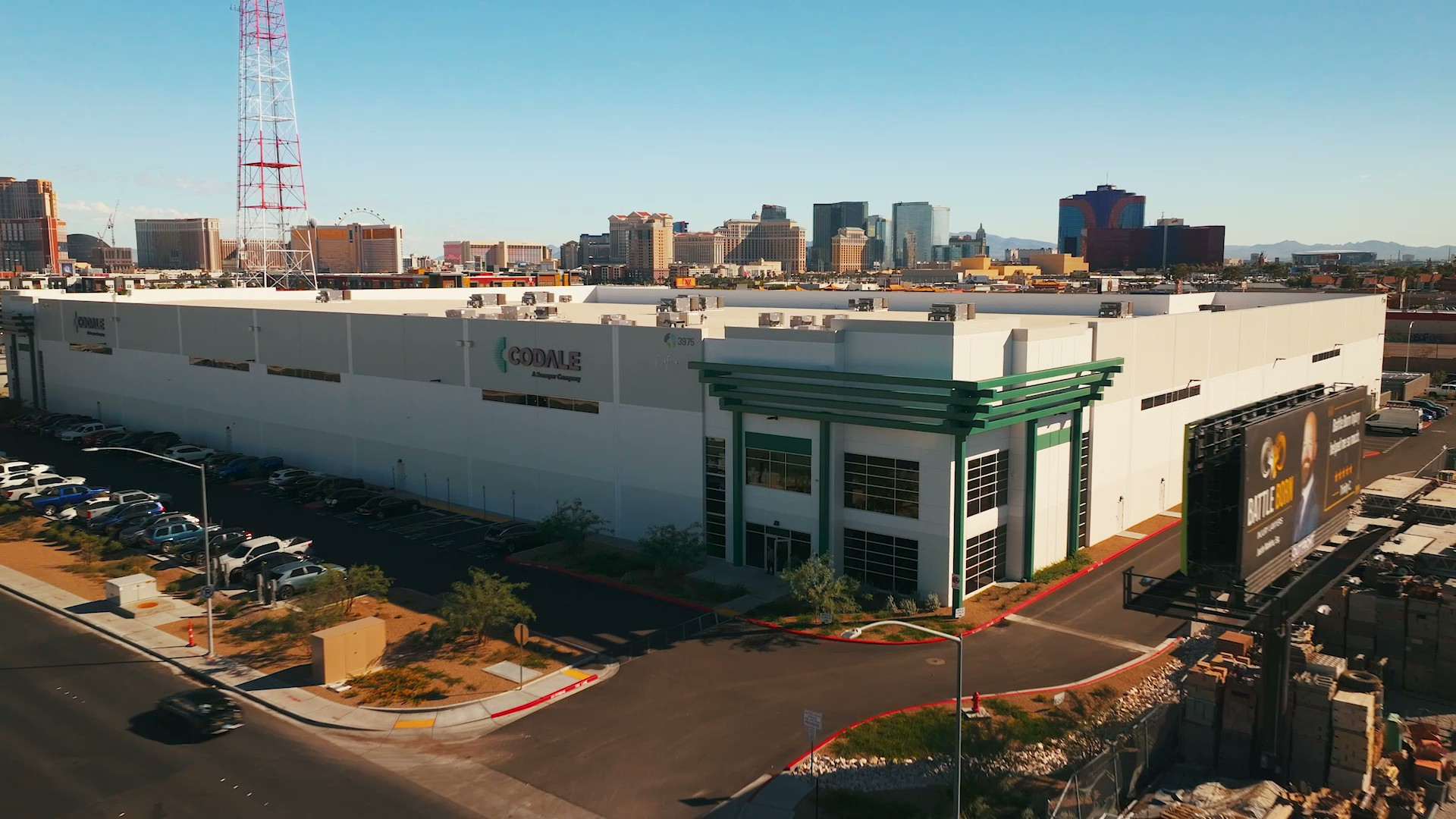
Sonepar has inaugurated a new central distribution centre in Las Vegas operated by its Codale business, using a high-density AutoStore system integrated by Kardex to compress storage and accelerate order processing in a high-cost urban warehousing market. The goods-to-person system is designed to support both regional replenishment and same-day will-call orders for electrical contractors, with availability and speed positioned as the competitive differentiator.
In a joint announcement, Sonepar and Kardex said the AutoStore installation stores nearly 10,000 SKUs within a 5,500-square-foot footprint, cutting floor space requirements by 80% compared with traditional racking. The wider distribution centre is described as a 160,000-square-foot operation, balancing dense automation for small parts with broader warehouse capacity for replenishment and outbound handling.
The stated operational goal is speed with accuracy, particularly for will-call demand where contractor time is expensive and fulfilment delays immediately hit project productivity. Dana Mouritzen, Sonepar USA’s COO and President East Region, said, “We’re able to serve walk-in customers in just minutes,” pointing to the system’s ability to absorb spikes in demand tied to large projects without degrading service levels.
Technology choices reflect the current direction of distribution automation: modular, software-orchestrated systems that can be expanded rather than replaced. Kardex’s FulfillX warehouse execution software is used to manage storage allocation, carton selection, and order sequencing using real-time data, and the system includes an automated cartonisation module intended to reduce packages per order and improve shipping efficiency.
Sonepar and Kardex also published early productivity results from the go-live. From day one, they said, standard order processing has increased by 12%, and will-call order processing by 20%. Whether those gains hold through peak and seasonal volatility will be the real test, but the numbers indicate the system is already operating beyond baseline expectations for a new facility.
The space-efficiency story is equally strategic. Industrial real estate costs, particularly in urban footprints, are pushing distributors toward dense storage and goods-to-person picking models, because labour and space now compete as the primary constraints. An 80% reduction in storage footprint is not a marginal improvement — it creates room for value-added services, staging, and additional inventory without expanding the building.
The modular architecture means the Las Vegas operation can scale by adding robots and ports, extending capacity without redesigning the entire facility. That matters in electrical distribution, where demand can be lumpy, project-driven, and regionally concentrated.
For supply chain teams, the Las Vegas build is another example of how distribution networks are being redesigned around service-speed economics rather than pure inventory centralisation. When availability is the product, automation becomes less about headcount reduction and more about building a fulfilment profile that competitors cannot easily match.