IN Brief:
- APM Terminals is investing more than €156m in Barcelona terminal capacity and modernisation.
- New ship-to-shore cranes in Valencia are supporting larger container vessel handling.
- Electrification, OPS, and digitalisation are central to the Spanish Gateways strategy.
APM Terminals has set out its Spanish Gateways strategy at SIL Barcelona, focusing on infrastructure investment, operational improvement, digitalisation, and sustainability across its Spanish container terminal network.
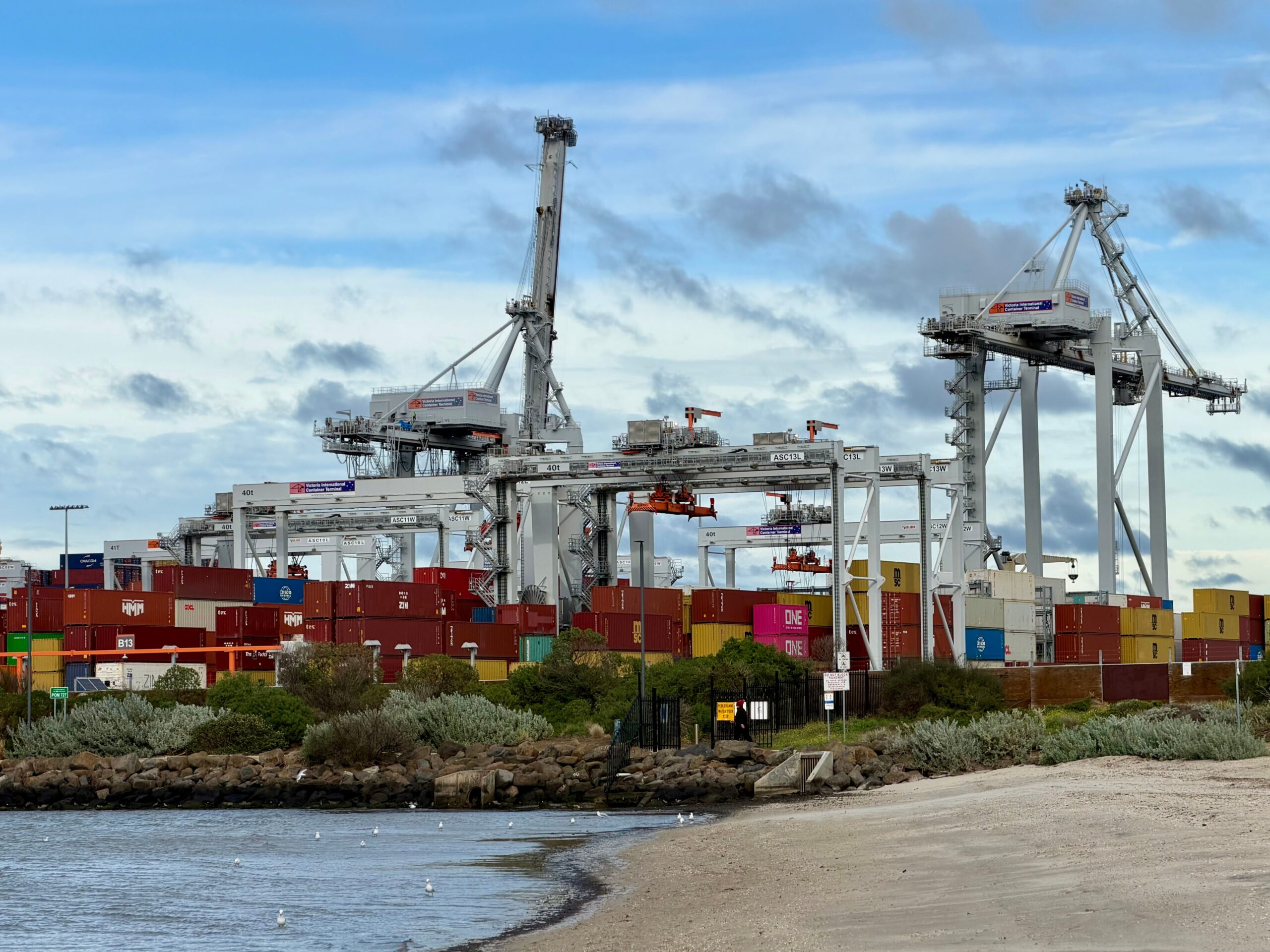
The company is investing more than €156m in the Port of Barcelona, where the programme will expand operational capacity, add new large cranes, and adapt facilities for next-generation container ships. In Valencia, new ship-to-shore cranes are already supporting more agile operations and simultaneous handling of large container vessels.
The strategy is designed to improve capacity, efficiency, and predictability for shipping lines, logistics operators, and cargo owners using Spanish gateways. APM Terminals is placing terminal modernisation at the centre of its response to container flows that remain exposed to congestion, geopolitical disruption, demand swings, and inland transport constraints.
Adapting terminals to larger ships is not only a berth-side task. Larger calls concentrate more boxes into shorter handling windows, increasing pressure on crane productivity, yard planning, truck appointment systems, rail interfaces, gate flows, and documentation. Without landside improvement, higher vessel capacity can simply transfer congestion from the quay into the yard.
Electrification and onshore power supply are also built into the plan. Equipment electrification and OPS infrastructure are intended to reduce emissions and improve energy efficiency, while digital tools will support traceability, planning, and predictive management of port operations.
Operational predictability is becoming a more important measure of terminal performance. Ports are judged not only by headline capacity, but by whether they can absorb irregular vessel schedules, late arrivals, peak gate activity, equipment downtime, customs variation, and inland disruption without pushing volatility deeper into supply chains.
Spanish ports occupy a strategic position in European and Mediterranean container flows. Barcelona and Valencia are important gateways for Iberian, southern European, and wider trade lanes, serving retail, automotive, industrial, consumer goods, food, and manufacturing supply chains. Investment in crane capacity, berth capability, yard systems, and digital planning therefore carries consequences beyond the port boundary.
Inland conditions remain a pressure point across Europe. Rhine water-level constraints have already shown how reduced usable capacity on one major corridor can affect loading, routing, and inventory planning. Port performance and inland resilience sit in different parts of the network, but shippers experience them as one supply chain.
Onshore power supply will become a larger part of port competitiveness as shipping decarbonisation rules tighten. OPS allows vessels to connect to shore-side electricity while at berth, reducing the need to run auxiliary engines. Practical deployment depends on grid capacity, berth infrastructure, vessel compatibility, tariffs, operating procedures, and coordination between ports, terminal operators, and carriers.
Terminal electrification creates a similar operational challenge. Electric yard equipment can reduce emissions and noise, but terminals must manage charging windows, power availability, maintenance regimes, and equipment deployment without weakening productivity. The strongest business case comes when energy systems and operational planning are designed together.
Digitalisation connects those investment strands. Better traceability, predictive planning, and live operational visibility can reduce uncertainty across vessel operations, yard movement, landside appointments, and cargo release. The value comes from earlier decisions, not simply from more dashboards.
The Spanish Gateways programme reflects a broader change in port investment. Capacity is still needed, but useful capacity now means the ability to handle larger ships, keep cargo moving through the yard, reduce emissions, and provide reliable information to the supply chains depending on the terminal. Barcelona and Valencia are being positioned around that more demanding definition of port performance.