IN Brief:
- CEVA’s new platform provides 44,000 sq m of logistics space.
- Weekly throughput can rise from 200,000 to 350,000 parcels.
- Automated sortation, electric equipment, LEDs, and solar support operations.
CEVA Logistics is opening a 44,000 sq m logistics platform at Éco Parc Bonvert in Mably, France, adding automated parcel and contract-logistics capacity to its national network.
The development comprises approximately 42,000 sq m of warehouse space and 2,000 sq m of offices. It has been designed to process around 200,000 parcels during a normal week, with capacity rising to 350,000 consignments during seasonal peaks.
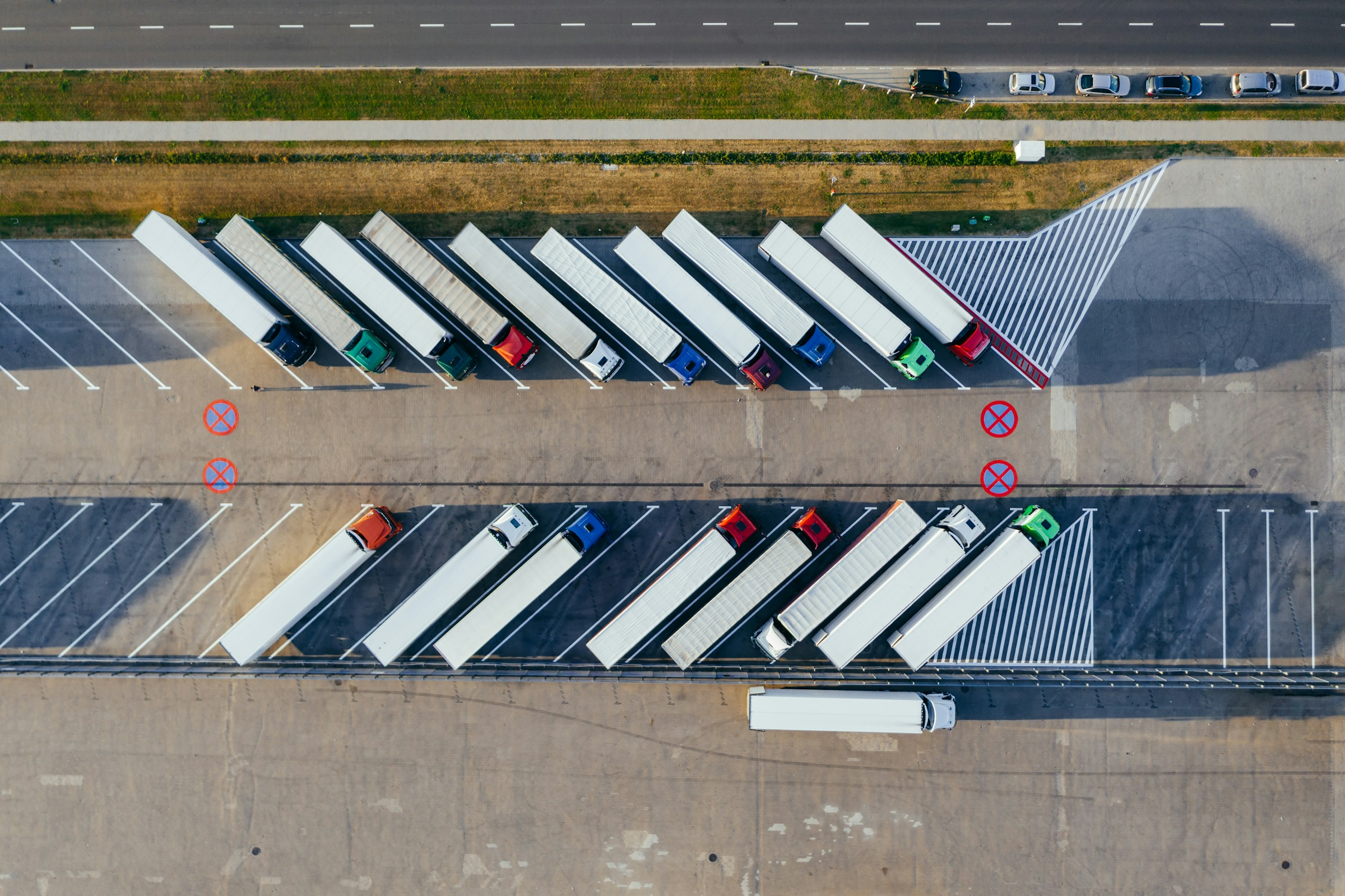
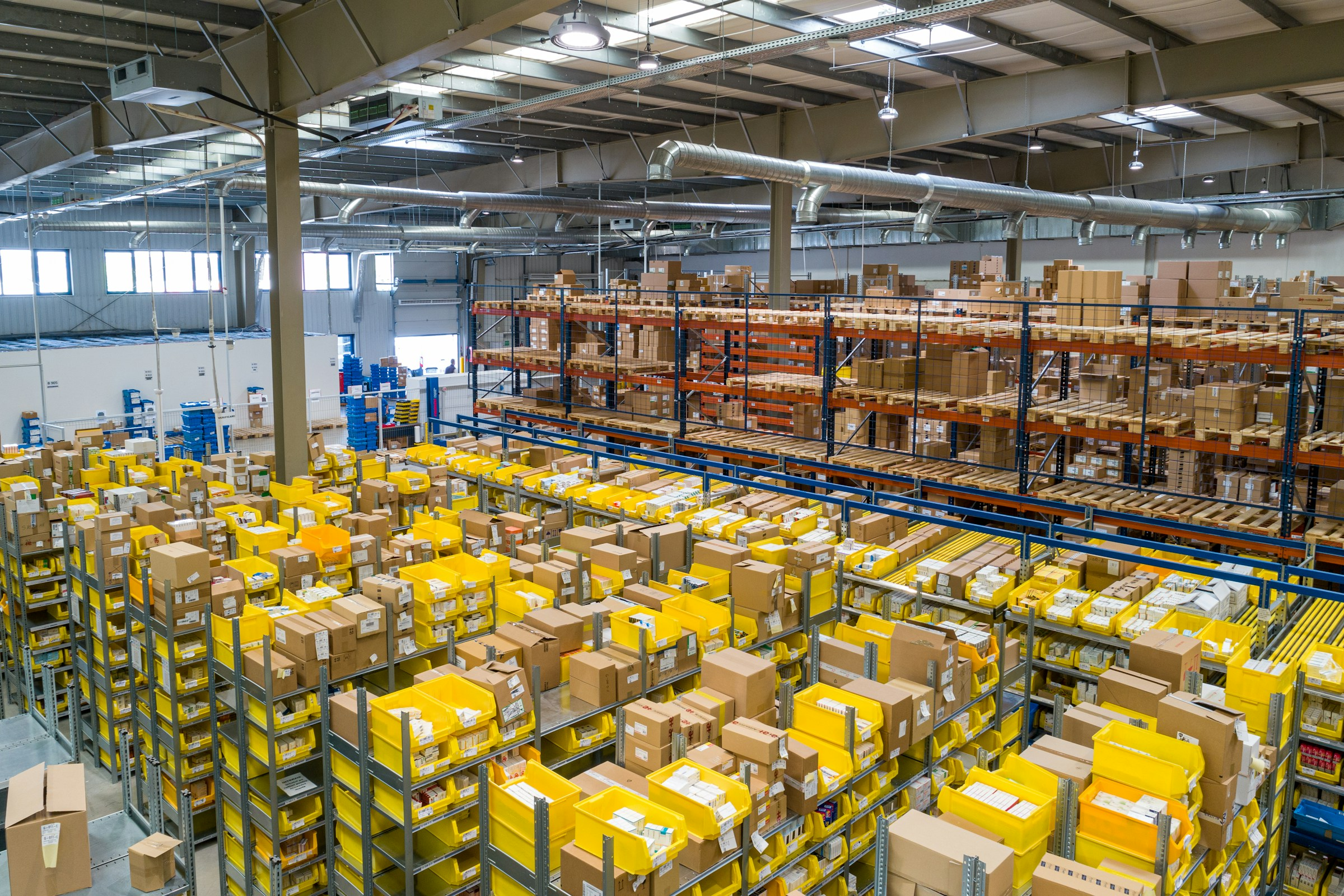
Forty-one loading docks allow inbound and outbound vehicles to be handled simultaneously, while the warehouse combines automated sortation, advanced inventory-management systems, very-narrow-aisle racking, and electric materials-handling equipment.
Employment should reach approximately 300 people under normal operating conditions and increase to as many as 500 during peak periods. LED lighting, rooftop photovoltaic generation, electric pallet trucks, and electric forklifts form part of the building’s energy and handling specification.
The site expands CEVA’s French contract-logistics estate, which includes 27 warehouses covering around 570,000 sq m. When the company’s air and ocean facilities are included, its property footprint in France reaches approximately 720,000 sq m.
Mably’s design reflects the uneven demand profile of parcel-led retail logistics, where ordinary weekly volume can rise sharply during promotions and seasonal peaks. A facility capable of processing 200,000 parcels must increase output by 75% without allowing sortation, picking, loading, labour, or carrier collections to become the limiting factor.
Automation can absorb part of that variation, although peak performance still depends on activity beyond the sorter. Temporary employees require training and safe access to workstations, packaging supplies must keep pace with order release, and additional vehicles need controlled arrival slots rather than appearing simultaneously at the yard.
Forty-one dock doors provide considerable flexibility, but physical capacity can disappear quickly when trailers arrive outside schedule or remain on bays awaiting labour, paperwork, or onward capacity. Yard planning and appointment control will therefore determine whether the dock estate translates into dependable throughput.
The facility forms part of a wider contract-logistics strategy supported by long-term customer relationships. CEVA’s renewed agreement with Zalando runs to 2030, securing ecommerce activity across a network in which returns, seasonal labour, and peak parcel handling remain central operating requirements.
A separate extension of the Ocado Retail relationship links transport and logistics services to a grocery business with high-frequency delivery demands. Mably adds another platform capable of supporting customers whose order profiles change sharply by day, season, and promotional cycle.
The environmental specification joins several systems whose performance will depend on how they are operated. Solar panels and electric handling equipment can reduce emissions and purchased energy, although the benefit varies with the building’s demand profile, grid connection, charging schedule, and proportion of generated electricity consumed on site.
Automated sortation, lighting, charging, IT, heating, and office systems produce different loads throughout the day. Aligning charging and less time-sensitive activity with periods of solar output can increase direct consumption, whereas simultaneous peak demand may still require substantial grid power.
Electric forklifts and pallet trucks remove local exhaust emissions while reducing noise inside the building, yet fleet sizing must account for battery duty cycles at peak throughput. Equipment that performs adequately during normal weeks may require opportunity charging, additional vehicles, or alternative charging patterns when volume approaches 350,000 parcels.
Very-narrow-aisle storage increases the amount of inventory held within the footprint, supporting denser utilisation without proportionally enlarging the building. Greater density also increases dependence on specialist trucks and disciplined replenishment, because blocked aisles or equipment downtime can affect access to a large number of locations.
CEVA plans to add around 200 employees during the busiest periods, demonstrating that automation is being used to direct and stabilise labour rather than remove it. Employees remain concentrated around induction, packing, quality, exceptions, returns, and loading, while machinery absorbs repetitive movement and high-volume sorting.
The operational challenge lies in scaling every connected process together. Sortation speed relies on timely picking and accurate order data, dense storage depends on reliable equipment, and dock capacity requires controlled yard flow. One constrained activity can reduce the output of the entire platform below its nominal design rate.
Mably gives CEVA additional room in a French market shaped by ecommerce volatility, retail-service expectations, and pressure to reduce warehouse emissions. Its decisive test will arrive during peak demand, when buildings, systems, employees, equipment, and transport capacity must all expand in step.