IN Brief:
- BCCIM has acquired multi-let industrial estates in Portsmouth and Doncaster for £12.7m.
- The deal takes Urban Industrial Income LP to nearly £80m AUM and around 700,000 sq ft.
- The buyers have pointed to supply-constrained markets and sustainability upgrades as priorities.
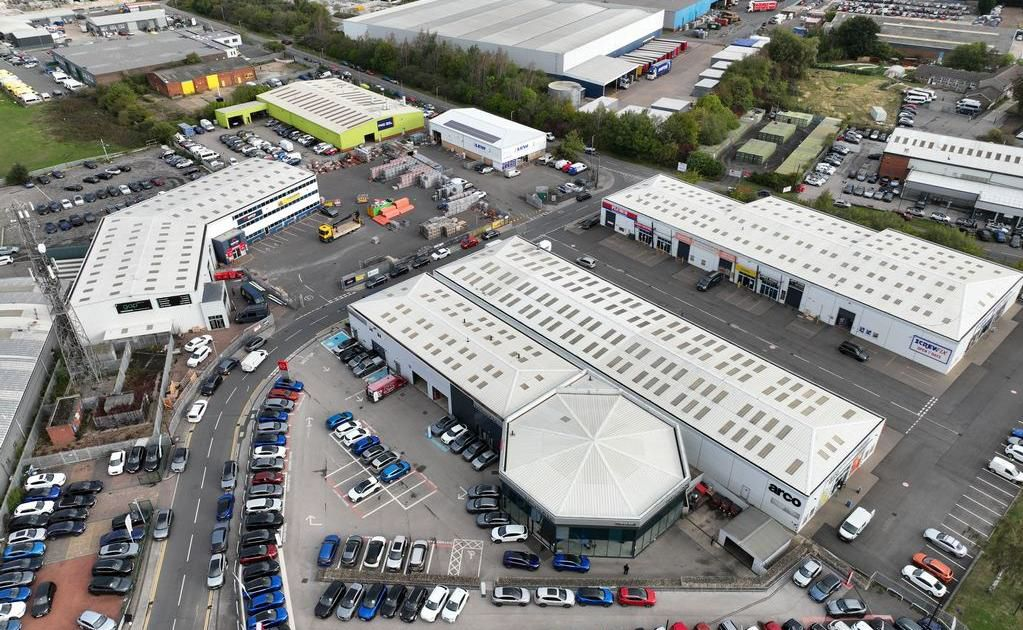
Barwood Capital and Caisson iO, operating through their BCCIM joint venture, have completed the acquisition of two multi-let industrial estates for £12.7 million on behalf of Urban Industrial Income LP (UII), adding assets in Portsmouth and Doncaster to a portfolio strategy centred on regional, income-producing industrial space.
In statements shared by the buyers, the two acquisitions are described as UII’s ninth and tenth investments, taking assets under management to nearly £80 million and expanding the platform to approximately 700,000 sq ft of industrial space. The Portsmouth acquisition is identified as Buildings 285 and 287 on Mitchell Way, while the second asset is on Merchant Way in Doncaster.
The transaction lands in a UK industrial market still shaped by a familiar contradiction: occupier demand for well-located, serviceable units remains resilient, while deliverable supply — particularly for smaller, multi-let stock that supports local distribution networks — is constrained by planning friction, cost inflation in construction and fit-out, and limited availability of appropriately configured land in established employment zones. For investors, that dynamic continues to reward assets that can be upgraded and re-let without relying on speculative new-build assumptions.
Both partners have positioned sustainability-linked asset management as a core part of the business plan. Barwood’s Jonathon Ellerington described Mitchell Way and Merchant Way as “well-located, income-producing estates with clear levers for sustainable value creation”, adding that the acquisitions align with the organisation’s B Corp principles and that the joint venture expects to continue deploying capital through 2026. Caisson iO’s James Burgess said the partners were entering 2026 “with real optimism”, pointing to market conditions that “are creating opportunities for well-capitalised, active managers”.
For supply chain operators and logistics occupiers, the near-term relevance is straightforward. Multi-let industrial estates remain the workhorse layer of UK distribution — supporting trade counter activity, regional fulfilment, service logistics, last-mile staging, and the less glamorous but essential functions that keep inventory moving between trunk routes and end customers. Investment that prioritises refurbishment, energy performance, and site resilience can improve operational suitability for tenants, but it also tends to feed into rent-setting dynamics, particularly where local vacancy is tight and relocation options are limited.
The buyers’ comments also underline a broader shift in industrial investment language: sustainability upgrades are increasingly framed as “future proofing” rather than optional enhancement, reflecting a mix of tenant expectations, energy cost volatility, and lender and insurer scrutiny of building performance and risk controls.
With UII now scaled toward £80 million AUM, the portfolio’s next moves — further regional acquisitions, re-leasing strategies, and the pace of retrofit delivery — will be watched closely by both the occupier market and competing capital, particularly as 2026 begins with renewed deal activity in income-led industrial.