IN Brief:
- JD.com expands self-operated last-mile capability in four European markets.
- Network blends warehouses, automation, cold chain, and large-item installation services.
- Initial focus is Joybuy, with third-party delivery support planned later.
JD.com has launched JoyExpress, a dedicated express delivery service in Europe under its logistics arm, JINGDONG Logistics, as it prepares to scale its Joybuy online retail business beyond beta testing and into a wider European rollout in March 2026.
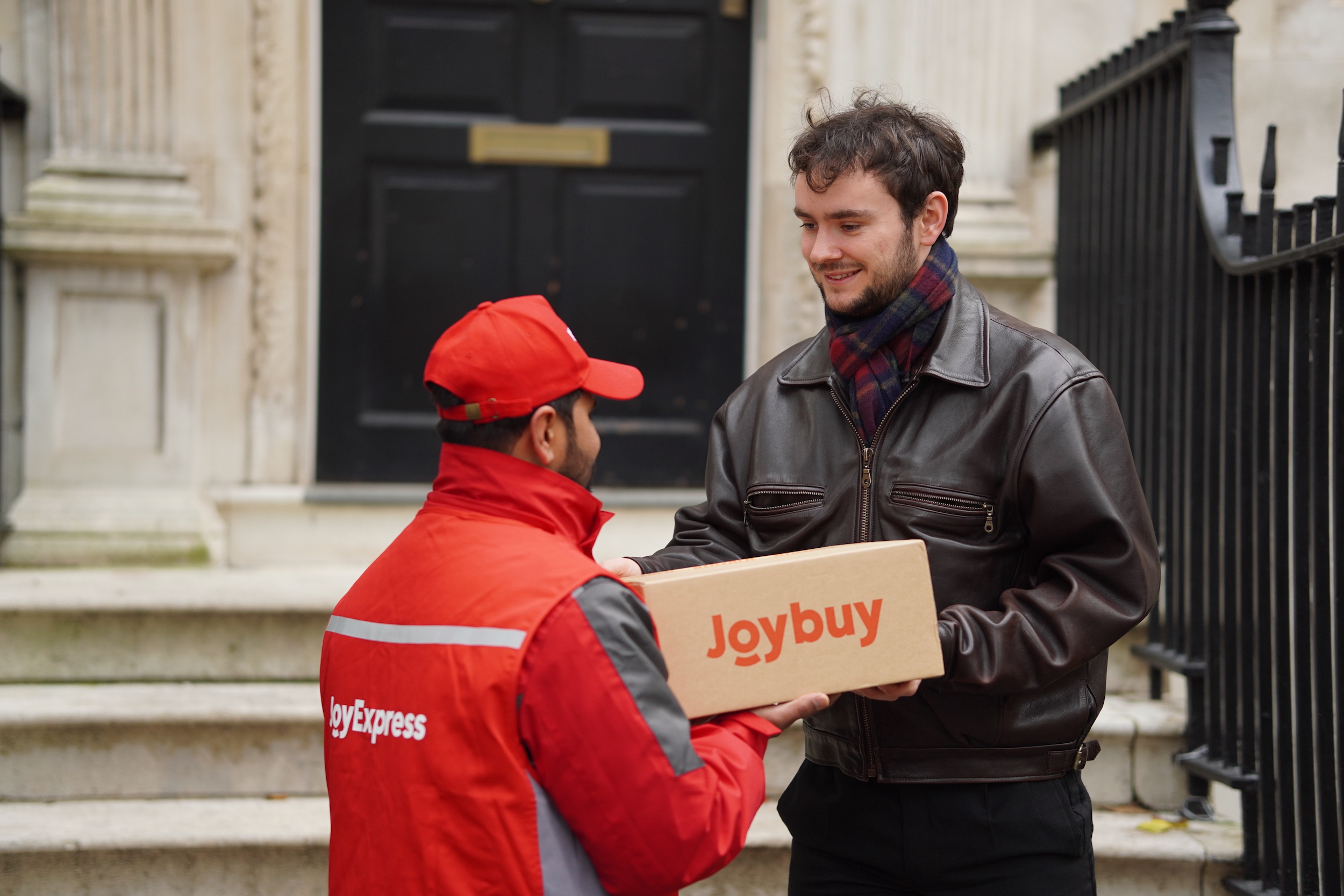
JoyExpress is being positioned as a self-operated last-mile capability, with same-day and next-day delivery planned in major cities and operational teams based in the UK, Germany, the Netherlands, and France. The service will also offer an integrated delivery and installation option for large home appliances in major cities, extending the proposition beyond parcels into heavier, higher-touch home delivery categories where failed deliveries and damage risk can quickly inflate costs.
Operationally, JD.com says JoyExpress will run a branded fleet — including trucks, vans, and electric bicycles — and will operate from more than 60 warehouses and depots across Europe. The company has also linked JoyExpress to a broader set of logistics capabilities, including warehousing, transportation, large-item logistics, cold chain, and end-to-end supply chain management and technology solutions, underpinned by intelligent warehousing, automation, and data-driven operations.
“JoyExpress offers Europe a new delivery and logistics choice,” said Axel Eggenwirth, Senior Director, Last Mile Europe, JINGDONG Logistics. “We look forward to bringing our industry-leading technology and capabilities to the market and consumers across France, Germany, the Netherlands and the UK, while enhancing our supply chain logistics capabilities in sectors such as electronics, home appliances, fast-moving consumer goods and groceries.”
JoyExpress will initially support Joybuy, which JD.com is trialling in Europe ahead of its planned March 2026 launch, with an early focus on “high-quality branded products” delivered from JD-operated facilities rather than a purely marketplace-led model. That combination — owned inventory, owned fulfilment, and owned last mile — is an attempt to control service levels end-to-end, in contrast to models that rely heavily on outsourced carriers and partner warehouses.
In Europe, that is a direct operational bet in a market where delivery performance is shaped by local density, labour availability, congestion, and fragmented carrier networks. The inclusion of electric bicycles points to an urban delivery approach that is compatible with low-emission zones and restricted access areas, while the promise of next-day and same-day service adds pressure on inventory placement, order cut-off times, and automation throughput.
JD.com has also been explicit that JoyExpress is not intended to remain captive. The company says JoyExpress will initially focus on Joybuy, but will later offer delivery support to business partners, shifting the unit toward a broader third-party logistics role once the network is bedded in.
For European supply chains, the interest is less about yet another parcel brand and more about what JD’s model does to expectations around speed, inventory positioning, and vertical integration. If JoyExpress scales as described, it will add another serious operator into the already crowded conversation about what “fast” delivery actually costs, and who ends up carrying that cost when service levels become table stakes.