IN Brief:
- A final Electric Freightway report says one eHGV could avoid roughly 1,000 tonnes of carbon by 2034.
- The programme has deployed electric trucks across 25 hauliers on live UK routes.
- Findings point to cost parity in some operating conditions where mileage and charging are well matched.
Hitachi ZeroCarbon and GRIDSERVE have published the fourth and final report from the Electric Freightway project, setting out a stronger operational case for electric HGV deployment on UK freight routes.
The report estimates that a single electric heavy goods vehicle could cut approximately 1,000 tonnes of carbon emissions by 2034 when compared with a diesel equivalent. The project forms part of the Zero Emission HGV and Infrastructure Demonstrator programme, backed by the Department for Transport and delivered with Innovate UK support.
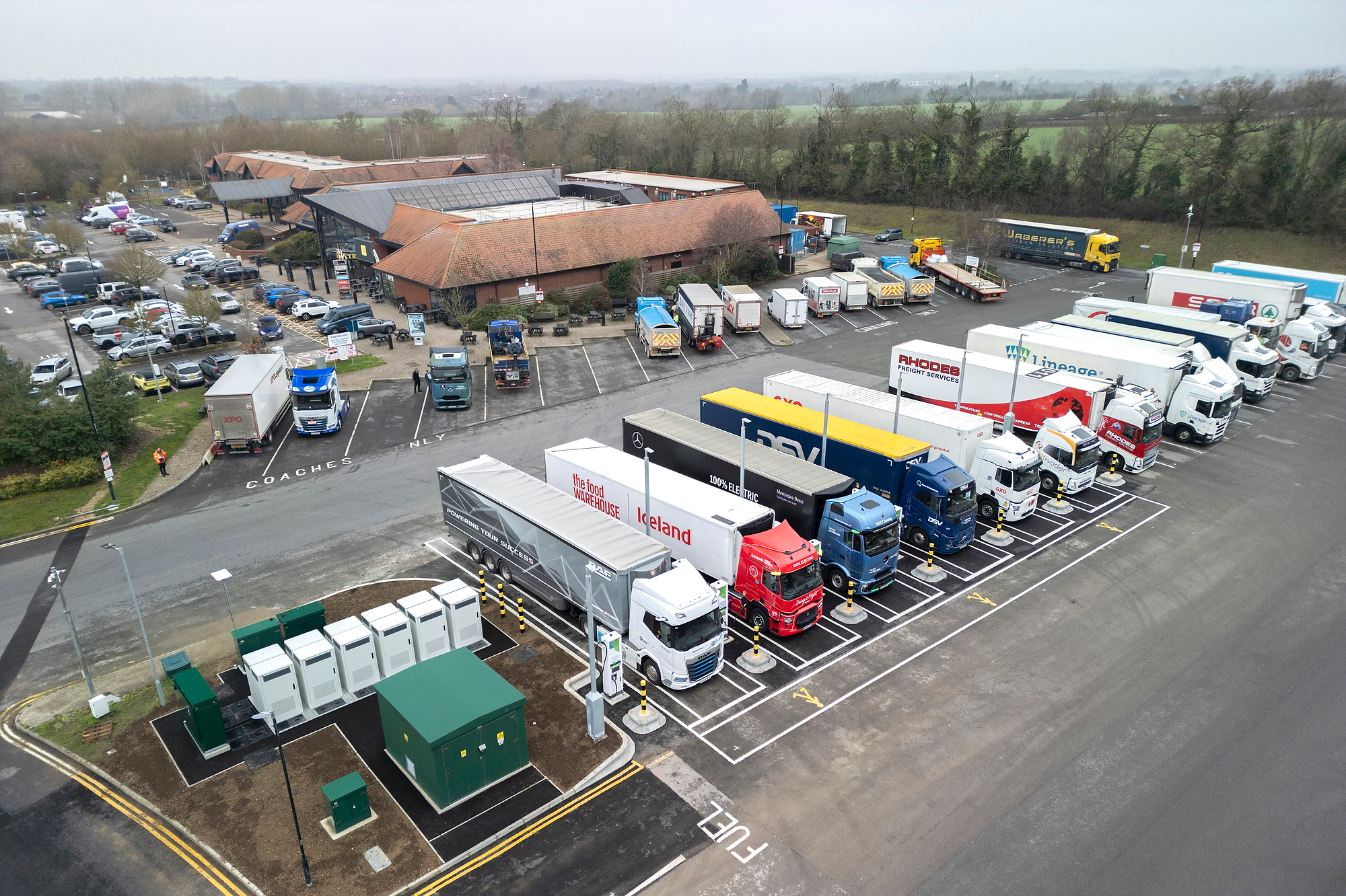
Electric Freightway now has eHGVs deployed across 25 hauliers, with participating fleets recording more than two million zero-emission kilometres on real-world operations. The report also says electric trucks can reach cost parity, and in some cases deliver cost savings, where fleets combine high annual mileage with a charging strategy that makes good use of depot and en-route infrastructure.
The latest findings move the conversation beyond technology trialling alone. Performance, charging access, route structure, and operating model remain decisive, but the project’s accumulated mileage gives fleet operators a more practical base for evaluating when electrification can be introduced without simply shifting cost and risk elsewhere in the network.