IN Brief:
- A revised JP8 service has restored a regular Sendai–Philippines shipping link after eight years.
- DP World is using Manila South Harbour and Batangas to support Ichijo Komuten’s prefabricated housing flows.
- The move points to growing demand for more integrated, corridor-based supply chain design in Asia-Pacific.
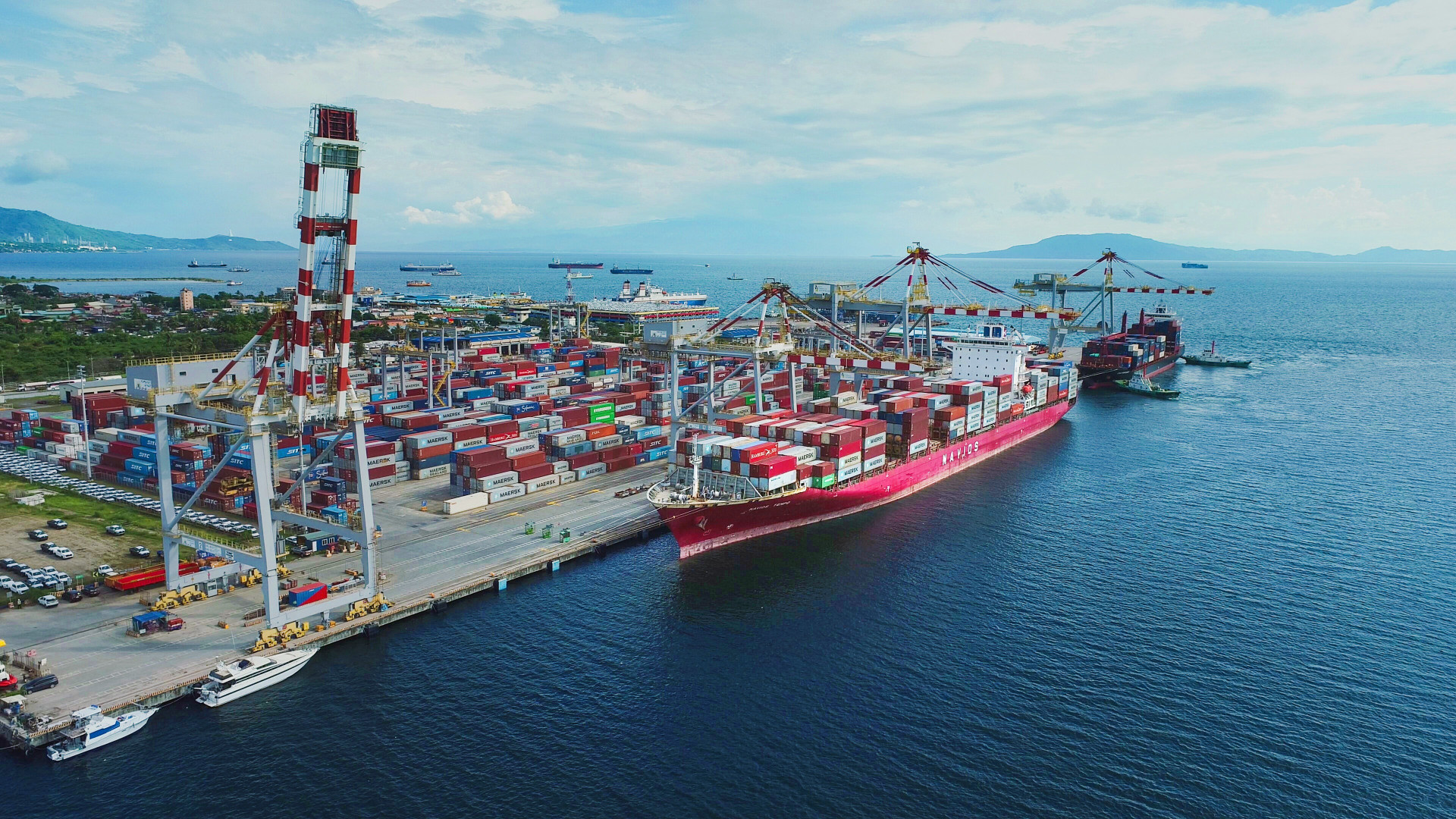
DP World has expanded its role in the movement of prefabricated housing materials between Japan and the Philippines, using CMA CGM’s revised JP8 service to support flows tied to Ichijo Komuten’s regional manufacturing and export operations. The weekly link connects Sendai with Philippine ports including Manila South Harbour and Batangas Integrated Port, giving the route a more direct structure than it has had for years and restoring a regular international shipping connection between Sendai and the Philippines for the first time in eight years.
The service is built around cargo moving into and out of terminals operated in the Philippines by Asian Terminals Inc, DP World’s strategic local partner. On the Japanese side, the route is designed to support the supply of prefabricated housing materials tied to Ichijo’s production model in the Philippines, where components are manufactured for export back into Japan. The arrangement also draws in inland and marine connections beyond the port gate, with DP World positioning the service as part of a broader end-to-end logistics structure rather than a standalone ocean move.
That matters in a trade lane where reliability can be worth more than headline speed. Prefabricated housing depends on the steady movement of bulky, time-sensitive components through tightly scheduled production and assembly windows, and that leaves little room for fragmented handovers or repeated port-side dwell. A weekly direct service does not remove every constraint, but it reduces the number of moving parts. In practical terms, fewer transhipment variables, stronger terminal alignment, and clearer inland planning can make a noticeable difference to inventory discipline and delivery performance.
The wider significance reaches beyond one customer. Manufacturers across Asia-Pacific are continuing to redesign supply chains around shorter, more resilient regional corridors, especially where products combine industrial scale with project-led delivery. Housing components fit that pattern neatly. They are not consumer parcels and they are not pure commodities either; they sit in the uncomfortable middle ground where freight cost, handling quality, storage pressure, and build schedules all interact. That is exactly where logistics providers are trying to prove that integrated terminal, shipping, and inland operations can deliver more value than individual transport legs sold in isolation.
The Japan–Philippines lane also reflects the way APAC production networks are maturing. Instead of a simple origin-destination trade move, operators increasingly want logistics structures that connect ports with specialist manufacturing bases and downstream project demand. The practical test for this service will be whether it can hold schedule integrity and support predictable cargo flows over time. If it does, it will look less like a niche shipping adjustment and more like a template for corridor-led industrial logistics in the region.