IN Brief:
- Circle Logistics has expanded cold-chain services for food and other temperature-sensitive freight.
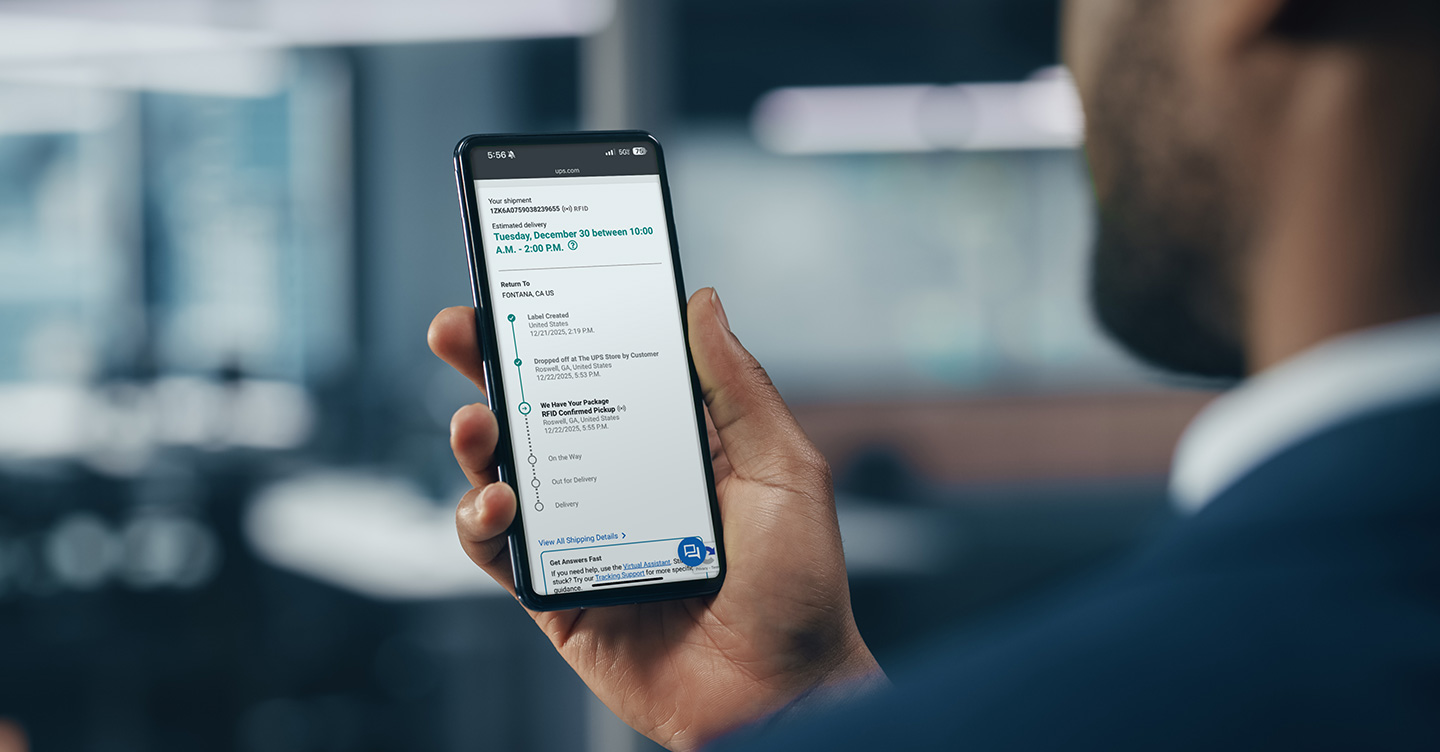
- The offer includes a broader network of temperature-controlled carriers and real-time shipment tracking.
- The move reflects rising pressure for tighter compliance, narrower delivery windows, and more reliable cold-chain visibility.
Circle Logistics has expanded its cold-chain services, widening its access to temperature-controlled carrier capacity and adding more tracking, monitoring, and compliance support around sensitive freight movements. The company said the enhanced offer is aimed at food and other temperature-sensitive shippers that need closer control over product integrity, with the service positioned around real-time shipment visibility, proactive monitoring, and operational support for loads where delays or temperature excursions can quickly become costly.
The expansion includes a broader network of reefer-capable carriers, enhanced support for Food Safety Modernization Act requirements, risk planning for high-value and time-critical loads, and dedicated operations support. Circle is also putting greater emphasis on end-to-end visibility rather than rate procurement alone, which is a notable point in a cold-chain market where the cost of a failed move can dwarf the transport margin attached to it. Once a shipment is compromised, the operational discussion usually stops being about freight and starts becoming a question of waste, liability, rejected inventory, and missed customer windows.
That is why cold chain keeps pulling logistics providers away from a simple brokerage model and toward more managed-service structures. Food producers, importers, and regulated shippers are increasingly asking for proof of handling discipline, clearer carrier selection, and faster response when a journey deviates from plan. Temperature-controlled freight has always demanded tighter execution than ambient freight, but the pressure is intensifying as shelf-life expectations rise, delivery windows tighten, and compliance becomes more document-heavy. Greater visibility is not a luxury feature in that environment; it is part of the control framework.
The category is also broadening. Cold chain is no longer confined to classic reefer transport for frozen or chilled foods. It now sits across a wider mix of products, from fresh ingredients and beverages to specialist healthcare and other validated shipments that need closer environmental protection. That convergence is forcing logistics providers to build networks that can combine equipment availability with monitoring discipline and stronger exception management. The old assumption that one refrigerated trailer and a delivery slot solved the problem looks increasingly thin.
Circle’s move will be judged on execution rather than service language. The market already knows what cold-chain failure looks like, and it tends to show up quickly in spoilage, compliance disputes, and dissatisfied customers. What providers are being asked to deliver now is more resilient control over the full transport leg — carrier quality, location data, temperature assurance, and immediate intervention when a load starts to drift. The companies that can do that consistently will keep winning share from those still treating cold chain as a standard mode with a thermostat attached.