IN Brief:
- Siemens and KION are partnering on AI, automation, simulation, and digital-twin tools for intralogistics.
- KION will use Siemens technology to build digital representations of machines, assets, and warehouse processes.
- The deal reflects a wider shift from isolated automation projects towards integrated warehouse intelligence platforms.
KION Group and Siemens have agreed a strategic partnership to expand the use of AI, automation, and digital-twin technology in intralogistics, tightening the link between warehouse hardware, operational data, and simulation-led decision-making.
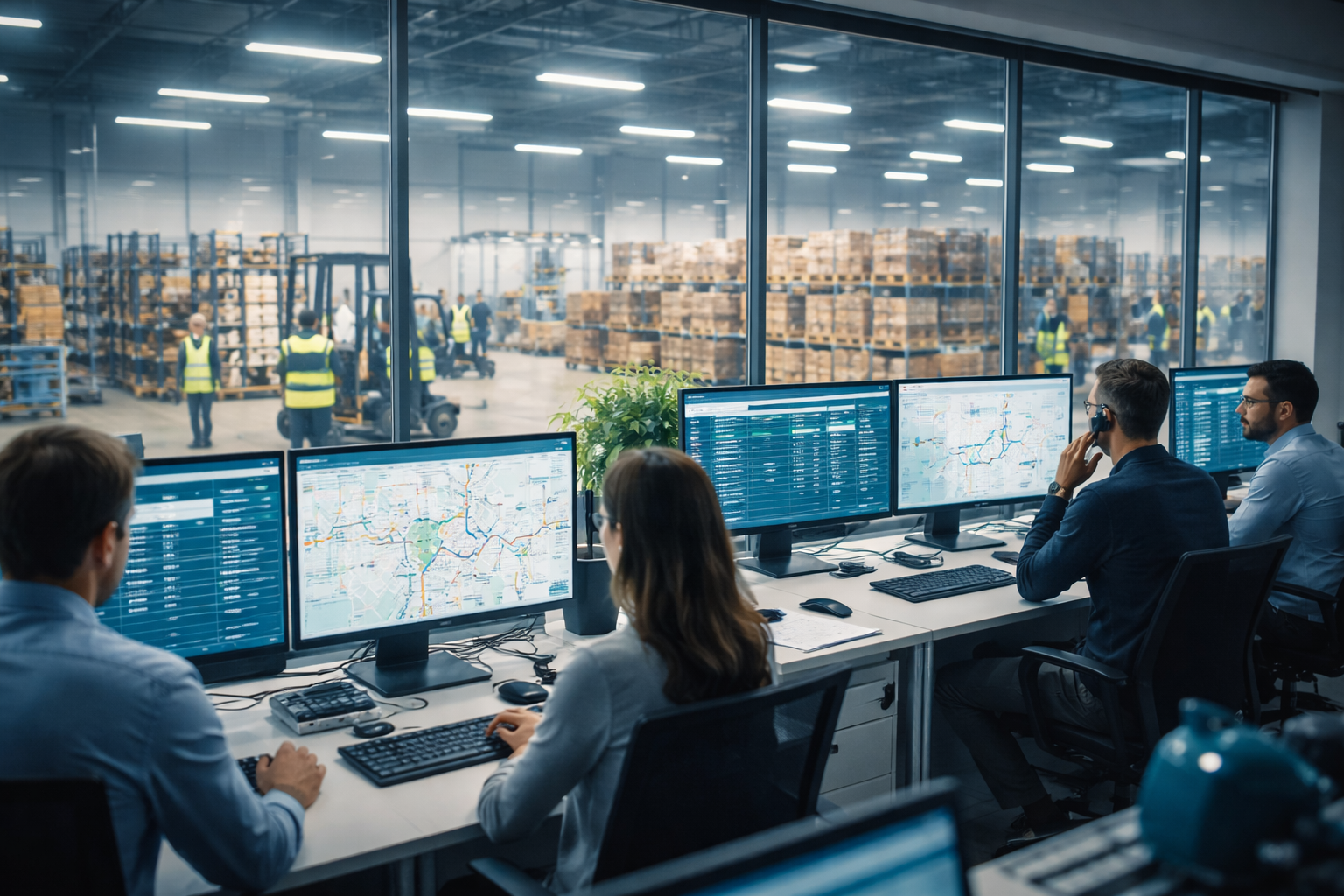
The two companies said the collaboration will combine Siemens’ automation, AI, and software portfolio with KION’s industrial truck, mobile automation, and warehouse systems capability. A central part of the agreement is the creation of digital twins for machines, warehouses, and material-flow processes, using live data from cameras, sensors, and operating systems to model how assets are performing and how networks could be improved.
KION is also set to become the first company in Europe to deploy Siemens’ Digital Twin Composer. That matters because digital twins are no longer confined to factory engineering and long-range design projects. In logistics, they are increasingly being used to test slotting changes, predict bottlenecks, assess automation layouts, and compare process adjustments before capital is committed on the warehouse floor.
The partnership arrives at a useful moment for the sector. Warehouses are carrying a larger share of the complexity once absorbed elsewhere in the supply chain. Operators are managing tighter labour markets, greater SKU variation, shorter planning cycles, and more pressure to absorb disruption without adding cost to every handoff. In that environment, the value of automation is shifting. It is no longer just about installing more equipment. It is about understanding how people, software, and machines interact across the whole operation.
That is where digital twins and live operational modelling are starting to carry weight. A warehouse can have good assets and still underperform if travel paths, replenishment logic, software rules, and inventory behaviour are pulling in different directions. Simulation tools help expose those conflicts earlier and make it easier to decide whether the right answer is more hardware, better orchestration, or a simpler process change. For businesses running brownfield sites, that is especially important, because few operations have the luxury of designing an automation stack from scratch.
The Siemens-KION deal also reflects another shift in warehouse technology: the market is moving away from isolated point solutions and towards interoperable platforms that can tie material handling, operational data, and planning logic into one environment. That should make it easier to upgrade existing facilities in stages rather than through large, disruptive changeovers. In practice, the winners are likely to be operators that can use these tools to raise throughput and resilience without letting system complexity outrun operational discipline.