IN Brief:
- Vitsab has introduced Freshtag, a colour-changing label for seafood temperature monitoring.
- The label uses green, yellow, and red visual stages to show cumulative time-temperature exposure.
- Seafood cold chains remain under pressure to reduce spoilage, disputes, refunds, and quality loss during transit.
Vitsab International AB has unveiled Freshtag, a time-temperature monitoring label designed for seafood supply chains, as processors, distributors, and retailers continue to look for more direct ways to manage spoilage risk during storage and transport.
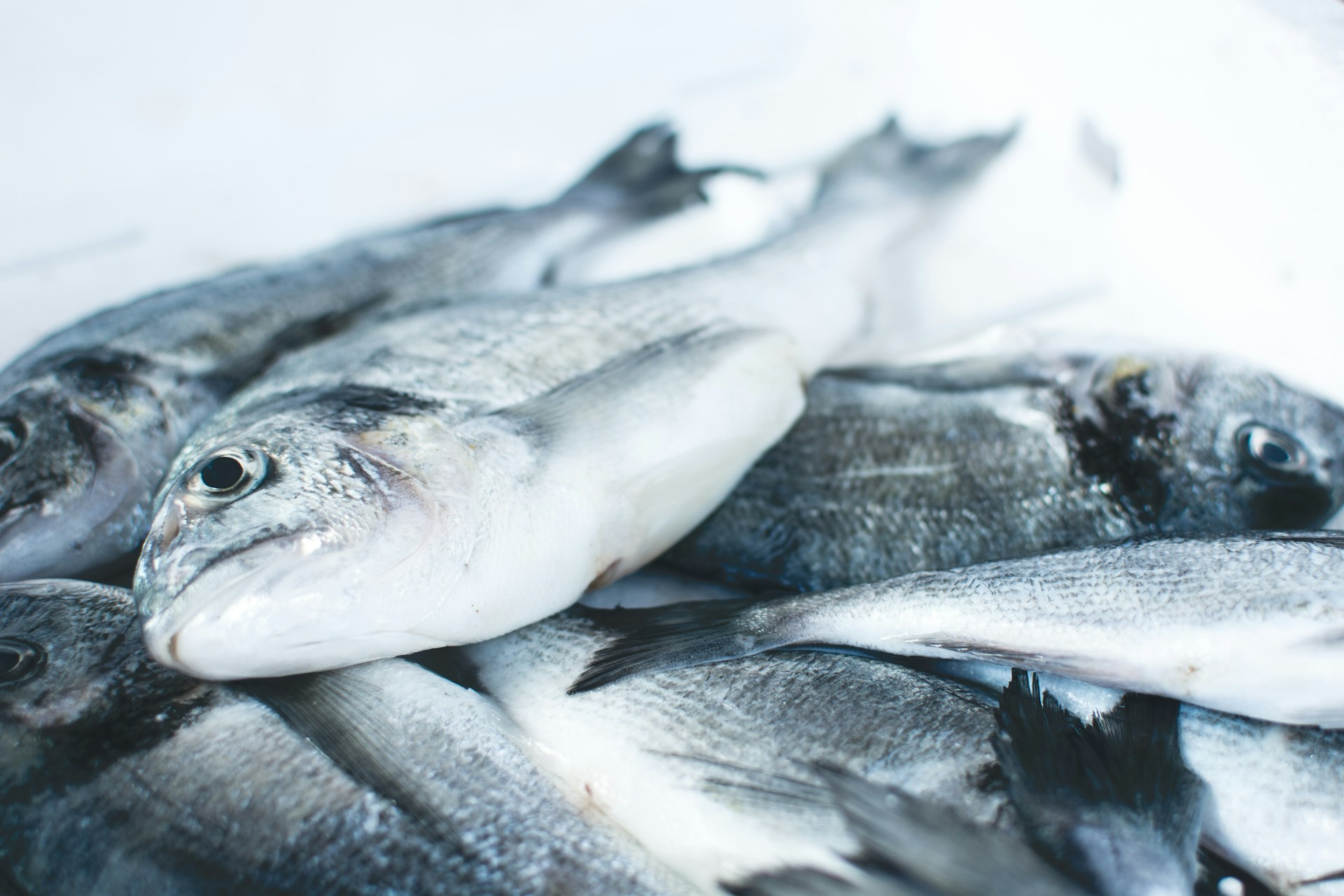
The label is intended for high-value and temperature-sensitive seafood products including caviar, crab, oysters, salmon, scallops, and tuna. Freshtag uses a colour progression that moves from green to yellow and then red as cumulative time-temperature exposure increases, providing a simple visual indication of whether a product has remained within the intended handling profile or has been pushed beyond it.
Vitsab has built the label around what it describes as stoplight technology, with the aim of making quality status easier to assess across different handoff points in the chain. That matters in seafood, where product value can deteriorate quickly, temperature deviations are not always visible from packaging condition alone, and disputes over responsibility become more expensive as a shipment moves downstream. A clear visual marker is not a substitute for full cold-chain discipline, but it can help tighten checks at receiving, distribution, and retail stage without adding technical complexity.
The company has positioned Freshtag as a simple-to-apply system that does not require tools or specialist setup, making it easier to fit into existing operating routines. It also sits neatly within a broader trend in cold-chain logistics: more visible condition monitoring closer to the product itself. For years, much of the industry’s investment has focused on vehicle telematics, reefer performance, and shipment-level tracking. Those systems remain important, but they do not always resolve the question that matters most when a pallet is opened or a consumer-facing pack is inspected — what actually happened to this specific product over time.
That gap is becoming harder to ignore. Seafood supply chains are dealing with longer routes, tighter retail tolerance on freshness, and rising cost exposure when stock has to be discounted, replaced, or written off. In parallel, direct-to-consumer fulfilment and smaller-batch premium seafood sales are creating more delivery scenarios in which product handling passes through several environments before it reaches the end user. The closer monitoring can get to the pack, the more useful it becomes in preventing arguments and protecting product value.
Freshtag enters the market as part of that wider push for simpler, more visible cold-chain assurance. The technology is not trying to replace data-rich monitoring platforms. Its strength is different. It gives handlers and buyers a fast, universal visual signal at the point where a decision has to be made — accept, review, isolate, or reject. In a category where freshness underpins both margin and brand trust, that is a practical proposition rather than a cosmetic one.