IN Brief:
- Honeywell has agreed to sell its Warehouse and Workflow Solutions business to American Industrial Partners.
- The unit generated around $935m in 2025 revenue and includes Intelligrated and Transnorm.
- The deal reshapes ownership in the warehouse automation supplier market as demand shifts toward execution software, lifecycle support, and retrofit capability.
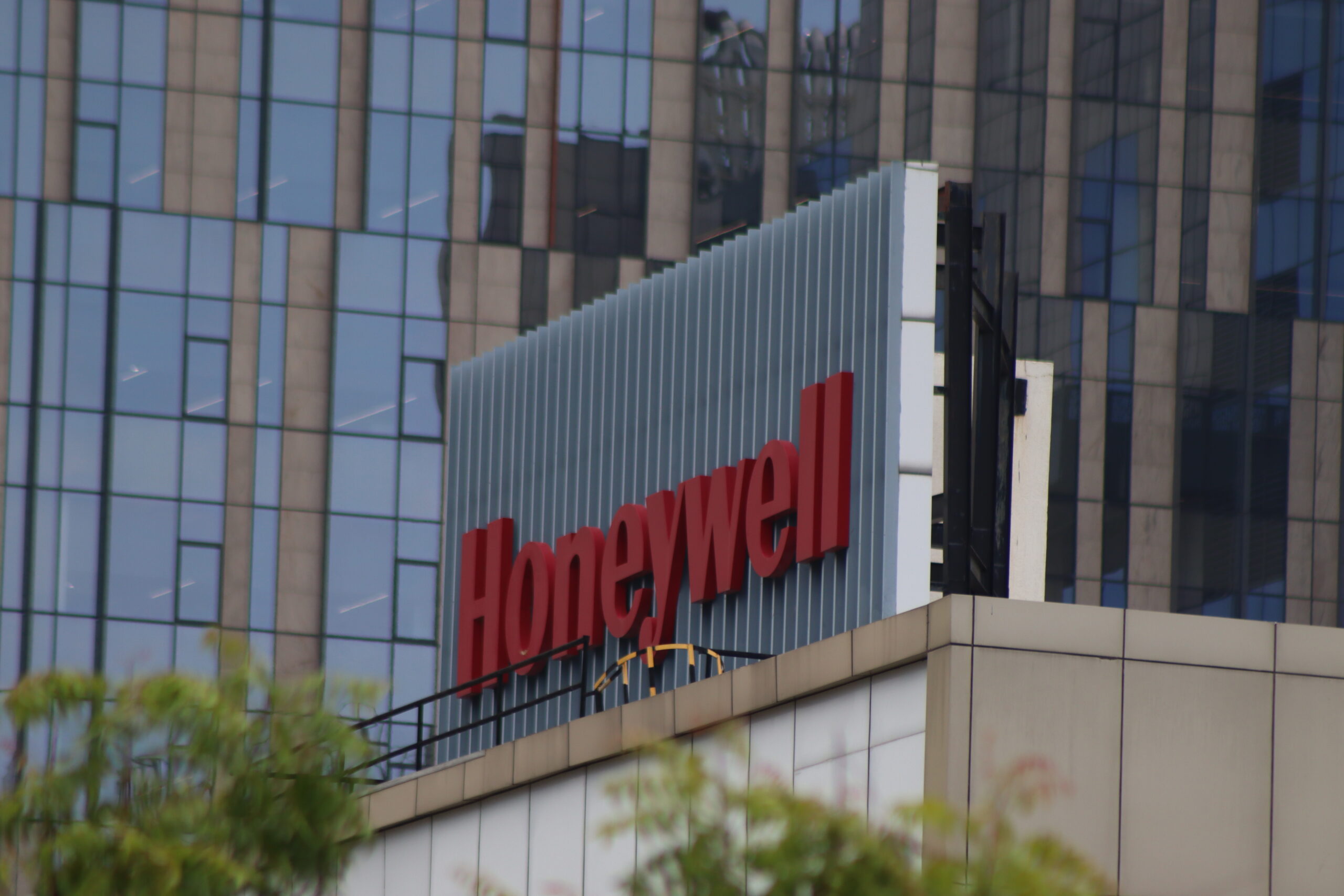
Honeywell has agreed to sell its Warehouse and Workflow Solutions business to American Industrial Partners, moving a major warehouse automation supplier into private equity ownership.
The business includes the Intelligrated and Transnorm brands and generated around $935 million in revenue in 2025. It supplies warehouse automation projects, services, and products including sortation systems, palletisers, conveyors, robotics, aftermarket support, and software.
The transaction is expected to close in the second half of 2026, subject to customary conditions. Financial terms were not disclosed. American Industrial Partners already has a warehouse automation interest through Trew, giving the investment group an established position in material handling and fulfilment systems.
Warehouse and Workflow Solutions operates in one of the most capital-intensive sections of logistics technology. Sorters, conveyors, palletising systems, robotics, controls, and warehouse software form the mechanical and digital backbone of distribution centres, parcel hubs, manufacturing logistics sites, and e-commerce fulfilment operations.
The sale follows Honeywell’s broader portfolio reshaping and comes after its separate agreement to sell its Productivity Solutions and Services business. The latest move continues the separation of several logistics-adjacent technology assets from Honeywell’s core structure.
Warehouse automation demand remains strong, but buying behaviour has changed since the pandemic-era fulfilment surge. Operators are placing more emphasis on staged investment, software integration, lifecycle support, retrofit capability, and productivity gains that can be measured against labour availability and service performance.
Large-scale greenfield automation projects still have a role, particularly in parcel, grocery, retail, and high-volume manufacturing logistics. Yet many operators are now trying to improve existing sites without removing working infrastructure. That creates demand for suppliers able to combine equipment, controls, data, service, and phased implementation.
The inclusion of Intelligrated and Transnorm gives the transaction particular weight. Both brands are embedded in complex logistics environments, and ownership changes at that level can influence product investment, service models, partner strategies, and software direction.
Private equity ownership may bring sharper focus to growth, operating performance, and market positioning. Customers will be watching continuity of support, investment in controls and software, and the long-term approach to robotics and material handling integration.
The divestment also shows how warehouse automation has developed into a distinct industrial market rather than a supporting equipment category. The sector now sits at the intersection of labour productivity, data visibility, high-throughput fulfilment, and resilience planning. Ownership of the equipment base is important, but control of the execution layer is becoming equally valuable.