IN Brief:
- Americold and EQT are forming a $1.3bn North American cold storage joint venture.
- The platform will begin with 12 US facilities and more than 400,000 pallet positions.
- Americold will retain 30% of the venture and manage day-to-day operations.
Americold and EQT are forming a North American cold storage joint venture built around 12 US temperature-controlled facilities.
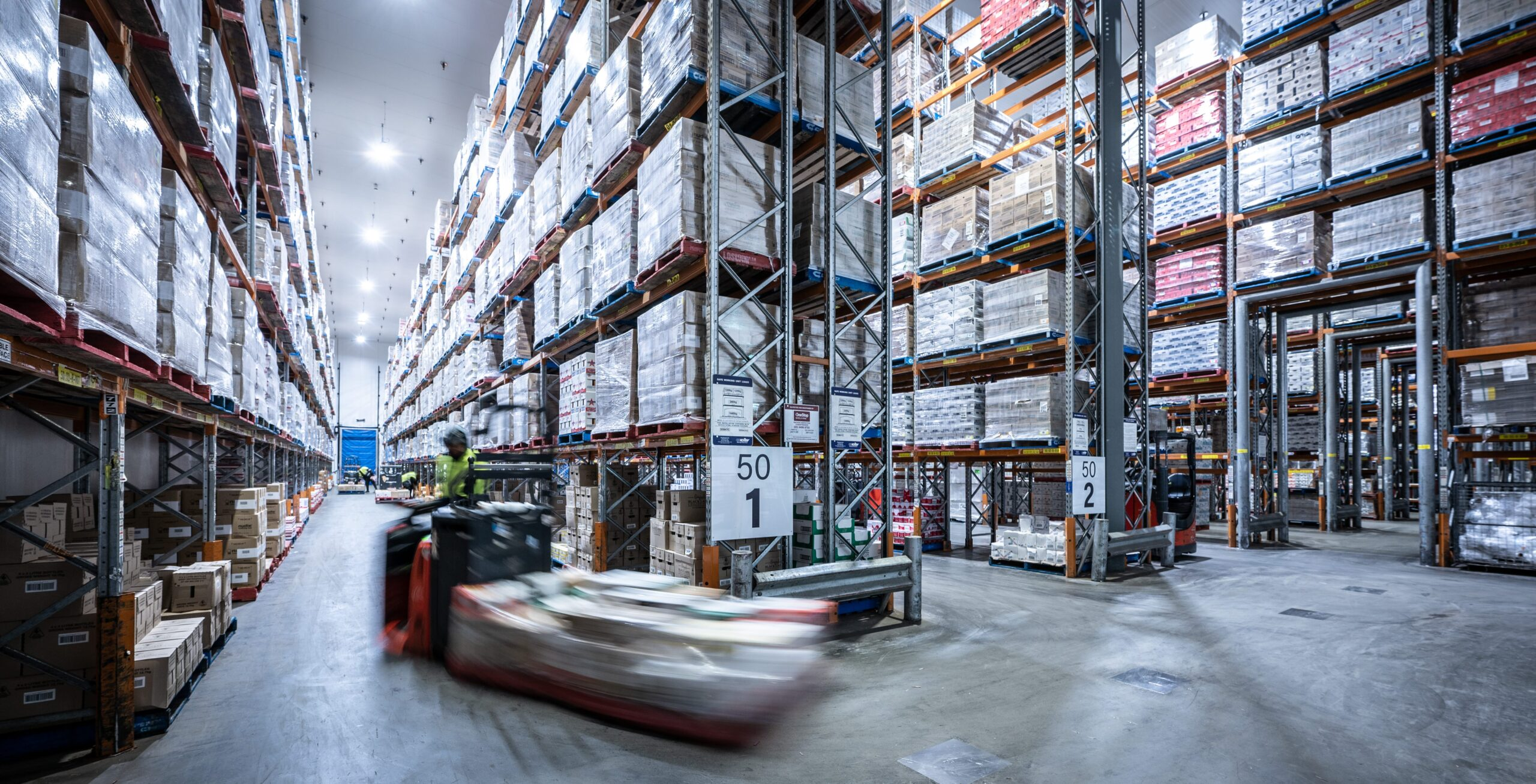
The facilities have an aggregate value in excess of $1.3bn and comprise approximately 124 million cubic feet of temperature-controlled capacity, with more than 400,000 combined pallet positions. On a standalone basis, the platform is expected to become one of the largest cold storage operators in North America.
EQT will acquire a 70% interest in the venture through its Active Core Infrastructure fund. Americold will retain a 30% equity stake and manage day-to-day operations, maintaining service continuity for existing customers. Americold expects to receive around $1.1bn in net cash proceeds from the transaction, which it plans to use to repay outstanding debt.
The joint venture is expected to close in the third quarter of 2026, subject to customary closing conditions and regulatory approvals. Beyond the initial assets, the partners intend to use the platform for future development and growth, with Americold providing development support based on its customer relationships and cold-chain operating experience.
The transaction gives EQT exposure to a sector with long-term demand linked to food production, grocery distribution, quick-service restaurant networks, frozen goods, protein, dairy, produce, and consumer packaged goods. Americold brings an operating platform of more than 220 facilities across North America, Europe, Asia-Pacific, and South America, totalling approximately 1.4 billion refrigerated cubic feet.
Cold storage is attracting infrastructure capital because the assets are difficult to replace, operationally specialised, and tightly linked to essential consumption. A dry warehouse can often be adapted across multiple occupier types. A temperature-controlled facility requires heavy refrigeration infrastructure, energy management, safety systems, maintenance expertise, and trained labour, making capacity more constrained and more costly to develop.
Food and retail supply chains are also demanding more resilience from the cold chain. Frozen and chilled volumes are being influenced by ecommerce, convenience formats, foodservice recovery, product reformulation, inventory buffering, and seasonal volatility. Operators need facilities that can do more than hold pallets. They need storage linked to transport, inventory visibility, value-added handling, and customer-specific service models.
Cold-chain control is becoming more technology-intensive. Freezer inventory automation, recently covered in Corvus targets freezer inventory with autonomous drones, shows how operators are trying to reduce manual exposure in sub-zero zones while improving stock accuracy. Reusable packaging and pallet systems are also being adapted for automated food and FMCG operations, as seen in Tosca and Cabka launch circular pallet system.
The Americold and EQT venture reflects a broader shift in how temperature-controlled logistics is financed and developed. Cold storage is becoming a strategic infrastructure class, backed by long-term capital and shaped by the same forces affecting ports, power networks, data centres, and logistics corridors: asset scarcity, demand durability, technology requirements, and disciplined development in the right nodes.
For food manufacturers and retailers, the immediate questions are capacity, service quality, and development pipeline. The joint venture keeps Americold in operational control, while EQT brings capital and infrastructure scaling experience. If the platform adds capacity in constrained markets without diluting service performance, it could strengthen cold-chain resilience in a sector where underinvestment is quickly felt in stock availability, waste, and fulfilment reliability.