IN Brief:
- London Gatwick has acquired control of the on-airport World Cargo Centre.
- The 1,747m² site plays a central role in freight handling at the airport.
- The move supports long-term cargo growth linked to Northern Runway plans and belly-hold freight demand.
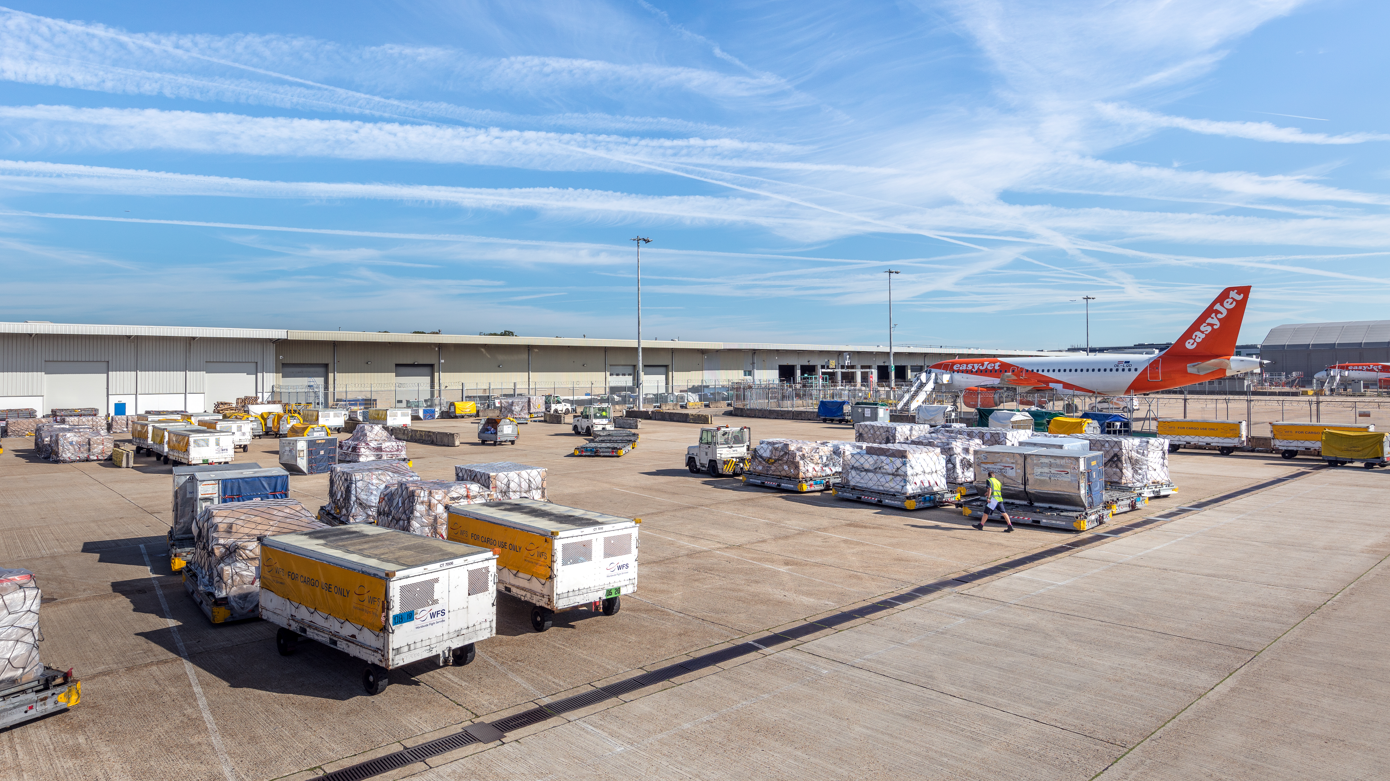
London Gatwick has acquired control of the on-airport World Cargo Centre, bringing a key freight-handling site directly into its operational estate.
The 1,747m² facility sits alongside the airfield and plays a central role in how freight moves through the airport. Most cargo handled at Gatwick currently travels in the belly hold of long-haul passenger aircraft, particularly on routes serving Asia, Africa, and the Middle East.
The acquisition is designed to safeguard cargo infrastructure and support long-term freight growth across the South East. By integrating the World Cargo Centre into the airport estate, Gatwick gains more direct control over one of the assets underpinning international trade flows through the airport.
The move also supports Gatwick’s Northern Runway programme. Government approval for routine use of the Northern Runway alongside the Main Runway is expected to support up to 389,000 flights a year. Cargo volumes are forecast to reach 161,500 tonnes by the late 2030s, while the value of imported cargo through Gatwick could reach £9.8bn a year by 2038.
Those figures place cargo firmly inside the airport’s growth plans. Airports with strong long-haul passenger networks can handle significant freight volumes without dedicated freighter schedules, but belly-hold cargo still depends on reliable ground handling, secure facilities, fast landside access, and coordination between airlines, handlers, forwarders, customs, and road transport providers.
Gatwick’s freight role is also tied to its location. The airport sits close to London, the South East consumer base, and a concentration of logistics property across Crawley, Gatwick, and the M23 corridor. Nearby logistics demand remains strong, with Panattoni fills Crawley logistics scheme showing how occupiers continue to value proximity to airfreight infrastructure and regional motorway access.
Air cargo networks are being tested by geopolitical disruption, volatile capacity, and changing shipper behaviour. Freight forwarders and cargo owners are using airfreight more selectively, reserving it for high-value, urgent, or disrupted goods. That makes gateway resilience more important, especially where cargo travels in passenger aircraft rather than through dedicated freighter hubs.
The UK market also needs stronger links between airport infrastructure, road access, customs systems, and regional logistics property. Cargo volumes create pressure on screening, storage, truck staging, handling labour, customs clearance, and landside collection windows. A shortage or weakness in any one of those areas can erode the value of additional aircraft capacity.
Bringing the World Cargo Centre into Gatwick’s direct control gives the airport more ability to align cargo estate planning with runway growth, airline development, and ground operation requirements. It also gives freight handlers and forwarders clearer infrastructure continuity at a time when airport land can face competing claims from passenger, commercial, and development uses.
Gatwick’s cargo growth will still depend on route development and airline network decisions, but control of core freight infrastructure improves the airport’s ability to prepare for higher volumes. As belly-hold freight becomes more important for time-sensitive and high-value supply chains, airports that treat cargo infrastructure as part of strategic growth rather than a secondary estate function will be better placed to capture that demand.