IN Brief:
- Testo Saveris will exhibit at PSIP Basel on 20 and 21 May.
- The company will showcase GxP-compliant environmental monitoring from cleanrooms to logistics.
- The focus includes continuous temperature and humidity visibility, real-time alerts, and audit-proof documentation.
Testo Saveris will showcase GxP-compliant environmental monitoring for pharmaceutical logistics at the Pharma Supply Chain & Logistics Innovation Programme in Basel.
PSIP Basel takes place on 20 and 21 May at the Movenpick Hotel in Basel, Switzerland. The event brings together pharmaceutical logistics and supply chain decision-makers with technology and service providers working across compliant, secure, and sustainable logistics processes.
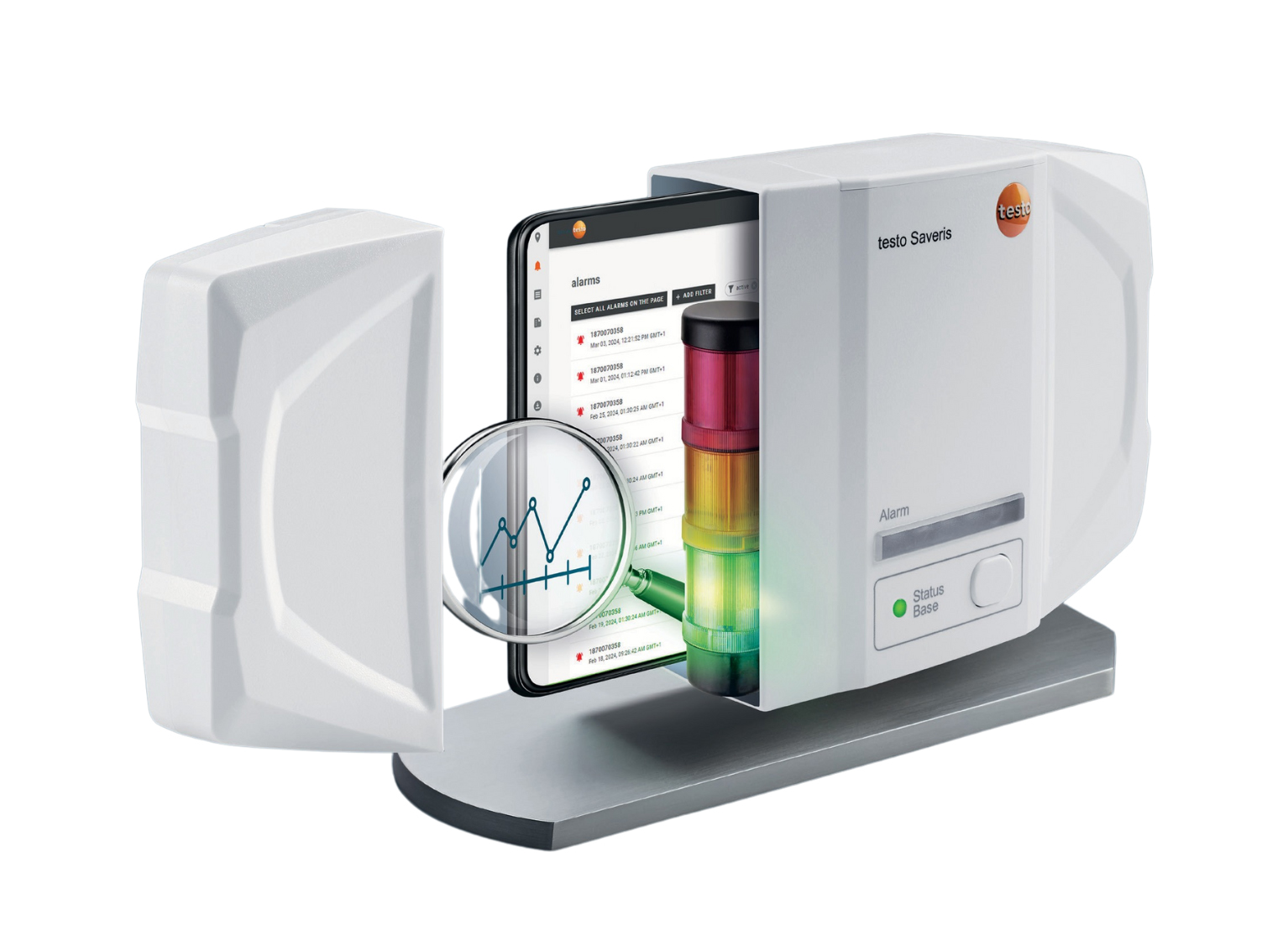
Testo Saveris will exhibit at Stand 18 under the theme “From Cleanroom to Logistics”. The company will present testo Saveris 1, an integrated monitoring system for continuous environmental measurement across regulated pharmaceutical environments.
The system monitors parameters including temperature and humidity, provides real-time visibility, and supports audit-proof documentation. Testo Saveris is positioning the system across cleanrooms, storage, and transport, linking production conditions with downstream logistics control.
Dr Fábio A. S. Leite will give a specialist presentation on 20 May from 11:05 to 11:25 in the conference room. His session, “Monitoring GxP today: Focus on the most important challenges”, will examine regulatory demands and the role of digital monitoring systems in data integrity and process safety.
“GxP monitoring today means more than just collecting data,” said Dr Leite. “It is about providing reliable, integrity-assured information in real time to enable informed decisions throughout the entire supply chain.”
Environmental monitoring is becoming more central to pharmaceutical logistics as product portfolios become more sensitive and supply chains more distributed. Biologics, speciality medicines, clinical trial materials, vaccines, and advanced therapies often require tightly controlled conditions through storage, handling, and transport.
A temperature or humidity excursion can lead to quarantine, quality investigation, delayed release, or product loss. The risk increases when products move between cleanrooms, warehouses, carriers, cross-docks, and final delivery points. Each handoff can create a data gap if monitoring systems are fragmented.
GxP-compliant systems must do more than record environmental values. They need validated workflows, secure records, alarm management, data integrity controls, and documentation that can withstand audit scrutiny. Real-time alarms can help teams intervene before a deviation becomes a quality event, while centralised records reduce manual workload during investigations.
The PSIP platform gives Testo Saveris access to a pharma logistics market focused on resilience, cold chain performance, and regulatory confidence. As pharmaceutical supply chains expand across more geographies and service partners, continuous environmental visibility is becoming part of operational control rather than a compliance add-on.
The company’s Basel showcase places monitoring at the boundary between manufacturing discipline and logistics execution. For temperature-sensitive pharma supply chains, that boundary is increasingly where product quality is won or lost.