IN Brief:
- Air China Cargo is set to firm up four additional Airbus A350F freighters.
- The move would take its A350F commitment to 10 aircraft, with deliveries extending into 2033.
- The order supports fleet modernisation, long-haul capacity, and lower-emission air cargo operations.
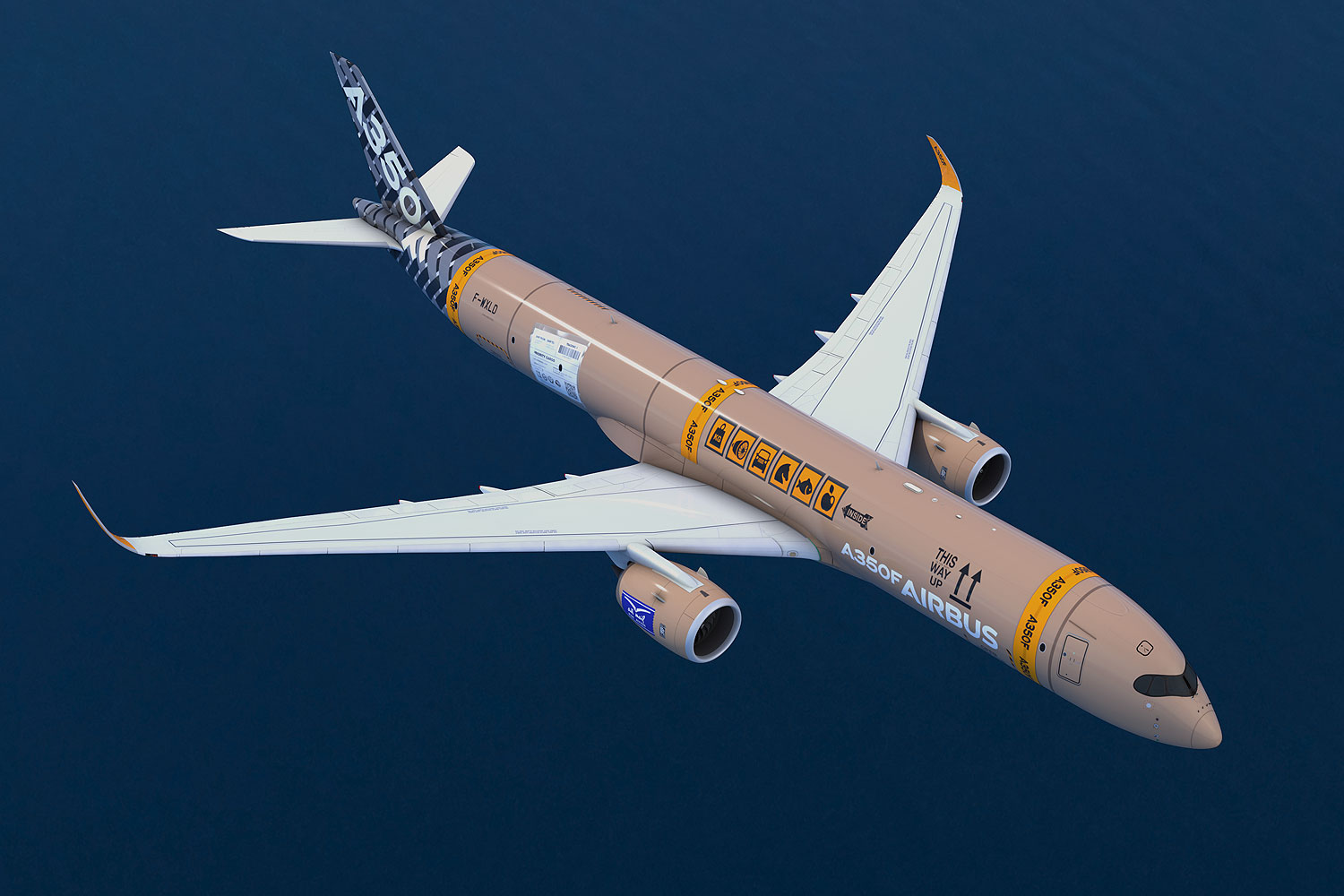
Air China Cargo is expanding its widebody freighter fleet by firming up four additional Airbus A350F aircraft.
The carrier is converting options secured as part of an earlier agreement into firm orders. The additional four aircraft build on Air China Cargo’s existing order for six A350Fs, taking the planned fleet to 10 aircraft. The original six aircraft are scheduled for delivery between 2029 and 2031, with the additional aircraft expected to arrive between 2032 and 2033.
Air China Cargo also retains options for six further units, giving the carrier flexibility to continue scaling its next-generation freighter fleet as demand develops. The catalogue value of the additional four aircraft is approximately $1.86bn, although large aircraft transactions are typically concluded below list price.
The A350F is being positioned as a long-haul replacement and growth aircraft for carriers seeking improved payload performance, lower fuel burn, and reduced emissions compared with older widebody freighters. For Air China Cargo, the order supports a more balanced fleet structure, with large and medium-sized freighters deployed across intercontinental and regional cargo requirements.
Air cargo operators are planning fleets around structural demand rather than short-term spot-market peaks. Ecommerce, high-value manufacturing, electronics, healthcare products, aerospace components, and time-critical industrial cargo continue to support demand for reliable long-haul freighter capacity, even as air freight cycles remain exposed to yield volatility and wider trade disruption.
The investment also reflects the strategic importance of Asia-Europe and transpacific lanes. Cargo owners moving high-value goods out of China and wider APAC markets need resilient capacity options across changing trade patterns. Recent disruption has already pushed shippers to reassess routing and modal choices, with Middle East and Asia-Europe freight pressure covered in DHL warns Gulf disruption is affecting Asia-Europe freight.
Regulatory and contractual complexity is also rising across China-linked shipping flows. The revised Chinese Maritime Code, covered in China maritime code tightens shipping contract rules, shows how transport decisions are increasingly shaped by legal, customs, and risk considerations as much as by freight rates.
Air cargo has become more closely connected to industrial resilience planning. Passenger belly capacity remains important, but dedicated freighters provide schedule control, oversized-cargo capability, and route flexibility when passenger networks do not match freight demand. That is especially important for electronics, automotive parts, pharma, and aerospace supply chains that cannot always wait for ocean freight or rely on fragmented belly capacity.
Fleet renewal will not remove volatility from air cargo markets, but it does shape operating economics over the next decade. Newer freighters can lower fuel and emissions intensity, improve reliability, and give operators a stronger platform for specialised cargo. Air China Cargo’s additional A350F commitment points to a long-term capacity strategy built around modern equipment, international lane depth, and continued demand for dedicated air freight capacity in high-value global supply chains.