IN Brief:
- International Paper is building a 468,000ft² packaging facility in Brandon, Mississippi.
- CPKC will provide rail access for inbound raw materials and outbound distribution.
- The plant is expected to start operations in the fourth quarter of 2027.
International Paper will use CPKC rail services at its new sustainable packaging facility in Brandon, Mississippi, giving the plant direct access to the railway’s North American network from the start of operations.
The 468,000ft² corrugated packaging facility is being developed on an 80-acre site in Rankin County. Construction is expected to begin in June 2026, with operations scheduled for the fourth quarter of 2027.
The plant will serve customers across the Mid-South region with corrugated packaging designed for product protection, supply chain performance, and sustainability goals. Employees from International Paper’s existing Richland facility are expected to transition to the new site when it opens.
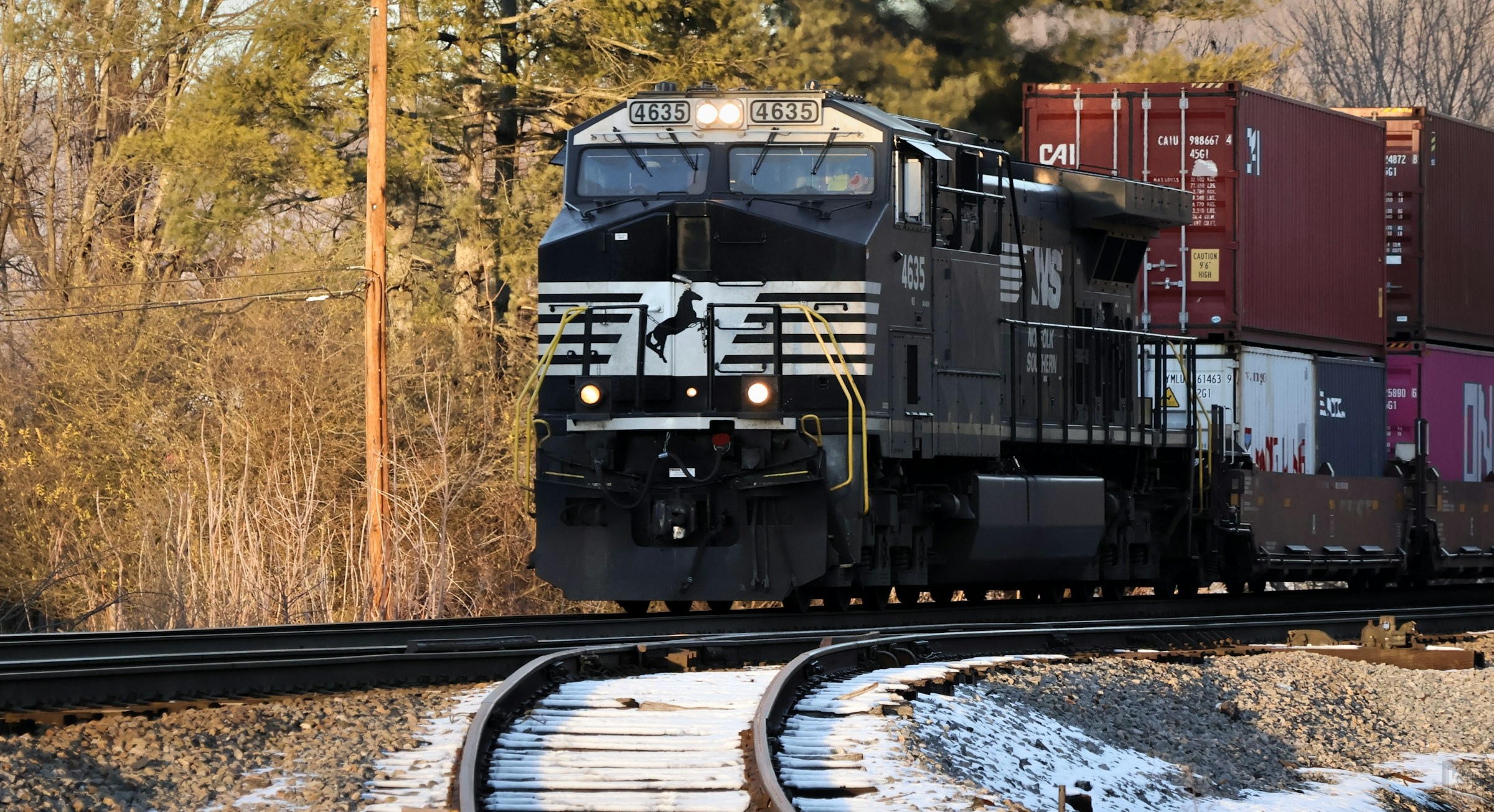
CPKC will provide rail connectivity for inbound raw materials and outbound distribution. The connection gives the site access to a network spanning Canada, the United States, and Mexico, supporting International Paper’s ability to serve manufacturing, retail, food, industrial, and ecommerce customers across regional and cross-border supply chains.
Packaging plants depend heavily on transport reliability. Paper, board, and finished corrugated products move in high volumes, while customers often operate around tight production, replenishment, and delivery schedules. Rail access can help manage bulk inbound flows and support efficient outbound movement into wider distribution networks.
The Brandon investment also reflects the changing role of packaging inside supply chains. Corrugated packaging affects product protection, cube efficiency, automation compatibility, shelf presentation, returns handling, waste reduction, and carbon reporting. As fulfilment networks become faster and more automated, packaging has to perform across warehouses, transport legs, and customer delivery points.
The facility adds capacity in a market shaped by ecommerce growth, food and beverage demand, industrial production, and rising interest in fibre-based packaging alternatives. Corrugated remains central to many supply chains because it combines recyclability, transport efficiency, printability, and flexibility across product categories.
Freight volatility continues to affect the economics of goods movement, as shown by Transpacific spot rate surge exposes freight volatility. Rail-linked domestic manufacturing capacity can reduce some exposure to long-distance disruption by placing packaging production closer to regional demand and giving shippers more modal options.
Rail connectivity also supports sustainability objectives where heavier inbound materials can move with fewer road miles and less congestion exposure. The environmental benefit depends on routing, utilisation, and final-mile movement, but rail-served plants generally have more options to reduce the transport intensity of high-volume materials.
The CPKC link is significant because packaging supply chains require both resilience and reach. Manufacturers need reliable input supply, while customers need finished packaging delivered to plants, warehouses, and distribution centres with minimal disruption. A site connected to a continental rail network can support regional service and broader strategic flexibility.
International Paper’s Mississippi project also places logistics at the centre of manufacturing investment. Location, rail access, site size, workforce transition, and customer proximity are being treated as part of one operating model. The most competitive industrial facilities are increasingly those where production and transport strategy are planned together rather than joined after construction.
When the Brandon facility opens in 2027, its performance will depend on more than production capacity. Rail connection, regional customer demand, packaging specification, and the ability to serve changing fulfilment models will determine how effectively the plant supports the Mid-South’s manufacturing and distribution economy.