IN Brief:
- CISCE 2026 will bring advanced manufacturing, clean energy, digital technology, smart vehicles, healthcare, and agriculture together in Beijing.
- A dedicated AI zone gives the event a stronger industrial software, logistics, and supply chain management focus.
- The exhibition reflects the growing convergence of trade policy, procurement, automation, and industrial technology.
China International Supply Chain Expo will open in Beijing with artificial intelligence, advanced manufacturing, digital technology, logistics services, clean energy, healthcare, smart vehicles, and green agriculture placed inside one supply chain programme.
The fourth edition is scheduled for 22–26 June at the China International Exhibition Center in Shunyi. Rather than organising exhibitors only around finished products, the event groups companies by industrial chains, giving manufacturers, technology providers, logistics operators, and service companies a framework for showing how upstream, midstream, and downstream operations connect.
The addition of a dedicated AI zone gives the 2026 event a sharper operational focus. Chipmakers, industrial software businesses, large model developers, device manufacturers, and automation providers are expected to show applications across manufacturing, logistics, planning, and supply chain management. The result is less a conventional exhibition of isolated products and more a display of how digital control is being built into physical supply chains.
That shift is visible in the structure of the exhibition itself. Digital technology sits alongside advanced manufacturing, clean energy, smart vehicles, healthy living, and green agriculture, while a supply chain services zone covers finance, logistics, consulting, and legal support. In practical terms, it places production, trade, movement, compliance, and data in the same commercial conversation.
International exhibitors are using the platform to show systems that link infrastructure, mobility, power, and industrial data. Sumitomo Electric Industries, for example, is presenting technologies across digital and AI, energy, and mobility, including equipment relevant to data centres, vehicle electrification, and industrial networks. Those categories are increasingly inseparable from supply chain performance, as warehouses, ports, factories, and logistics hubs require stronger connectivity and power resilience.
China’s exhibition strategy also reflects a more deliberate use of trade events as industrial coordination tools. Supply chain reliability is no longer presented only through factory capacity or low-cost production; it is increasingly framed through visibility, digital control, energy systems, technical services, and route connectivity. That gives exhibitions such as CISCE a policy function as well as a commercial one.
Recent supply chain technology deployment has followed the same direction. Adani Ports’ AI rollout across terminal operations showed how software is becoming part of port infrastructure, linking equipment use, berth planning, safety, yard visibility, and container movement through the Kaleris-led APSEZ programme. CISCE takes that logic into a broader industrial setting, where AI, manufacturing, logistics, and supply chain services are presented as mutually dependent.
Skills and implementation capacity will shape how much of the technology on display becomes embedded in operations. The market is not short of systems promising better planning, traceability, automation, or forecasting. The harder task is matching software to process discipline, data quality, warehouse practice, supplier cooperation, and staff capability. AI can optimise only what is visible, structured, and operationally trusted.
International participation also gives CISCE a trade resilience dimension. Companies attending from outside China are not only looking for sales opportunities; many are assessing supplier relationships, regional capability, and where Chinese industrial chains still offer scale, speed, or technical depth. The exhibition format allows those questions to be asked across multiple sectors at once, from health logistics and smart vehicles to clean energy equipment and agricultural supply chains.
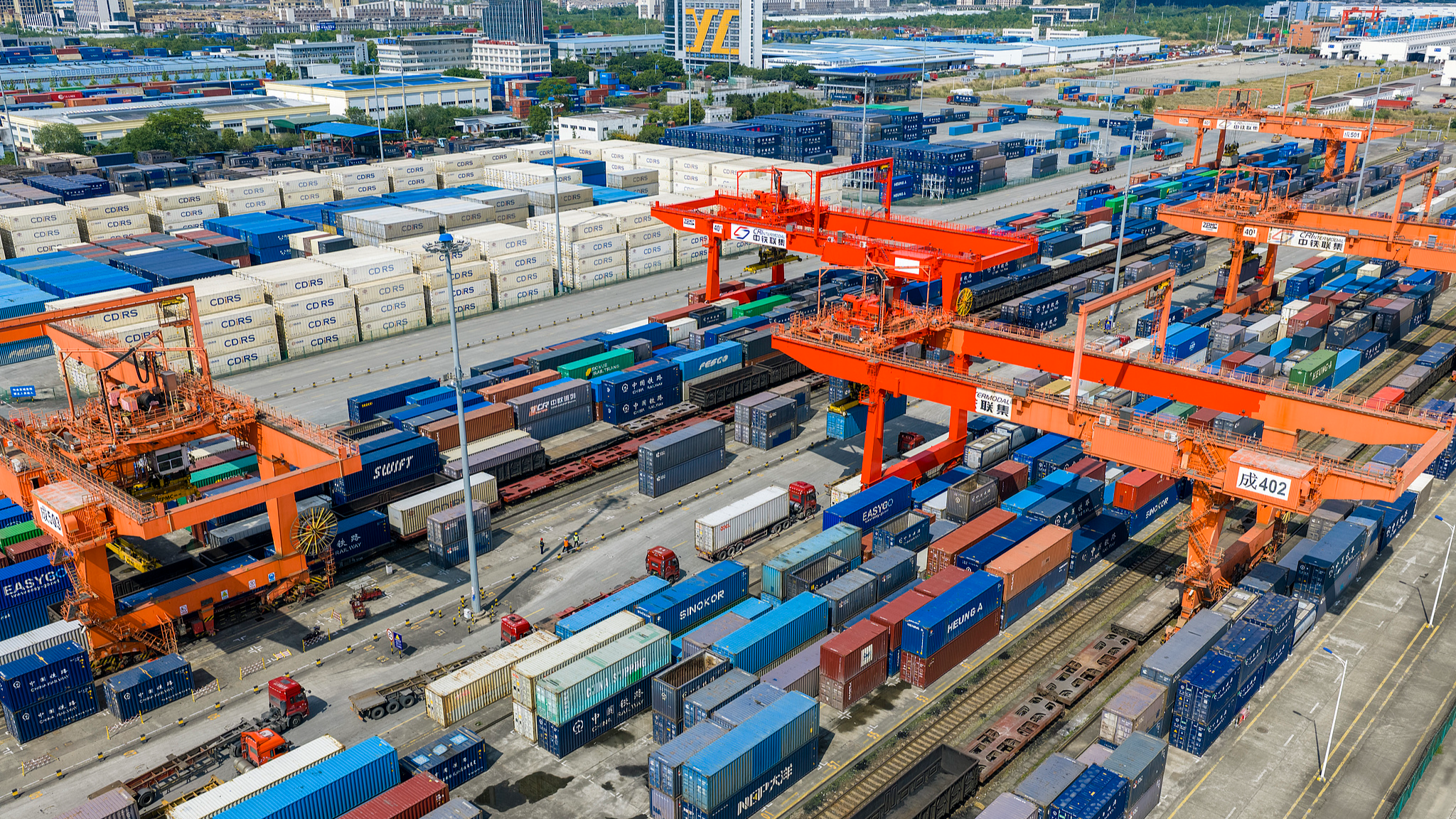
For companies moving goods through Asia, the practical signal is the convergence of physical routes and digital systems. China-Europe rail freight, port capacity, bonded logistics, factory automation, industrial software, and AI-enabled planning are no longer separate decisions. They increasingly form one operating architecture, where lead time, inventory exposure, compliance, and customer delivery depend on how well those layers communicate.
CISCE 2026 will therefore be watched as a measure of how quickly supply chain technology is becoming industrial infrastructure. The headline theme may be AI, but the more durable development is the movement of data, automation, services, and logistics into a shared operating model for manufacturing and trade.