IN Brief:
- Chinese containerised exports to the US rose sharply after a court ruling disrupted tariff policy.
- High-tech goods, integrated circuits, AI equipment, and solar-related cargo have contributed to stronger flows.
- Transpacific rate pressure is returning as shippers compete for slots ahead of further policy deadlines.
China Customs data has highlighted a sharp rise in Chinese high-tech exports to the US, adding renewed pressure to transpacific container capacity after a disruptive shift in US tariff policy.
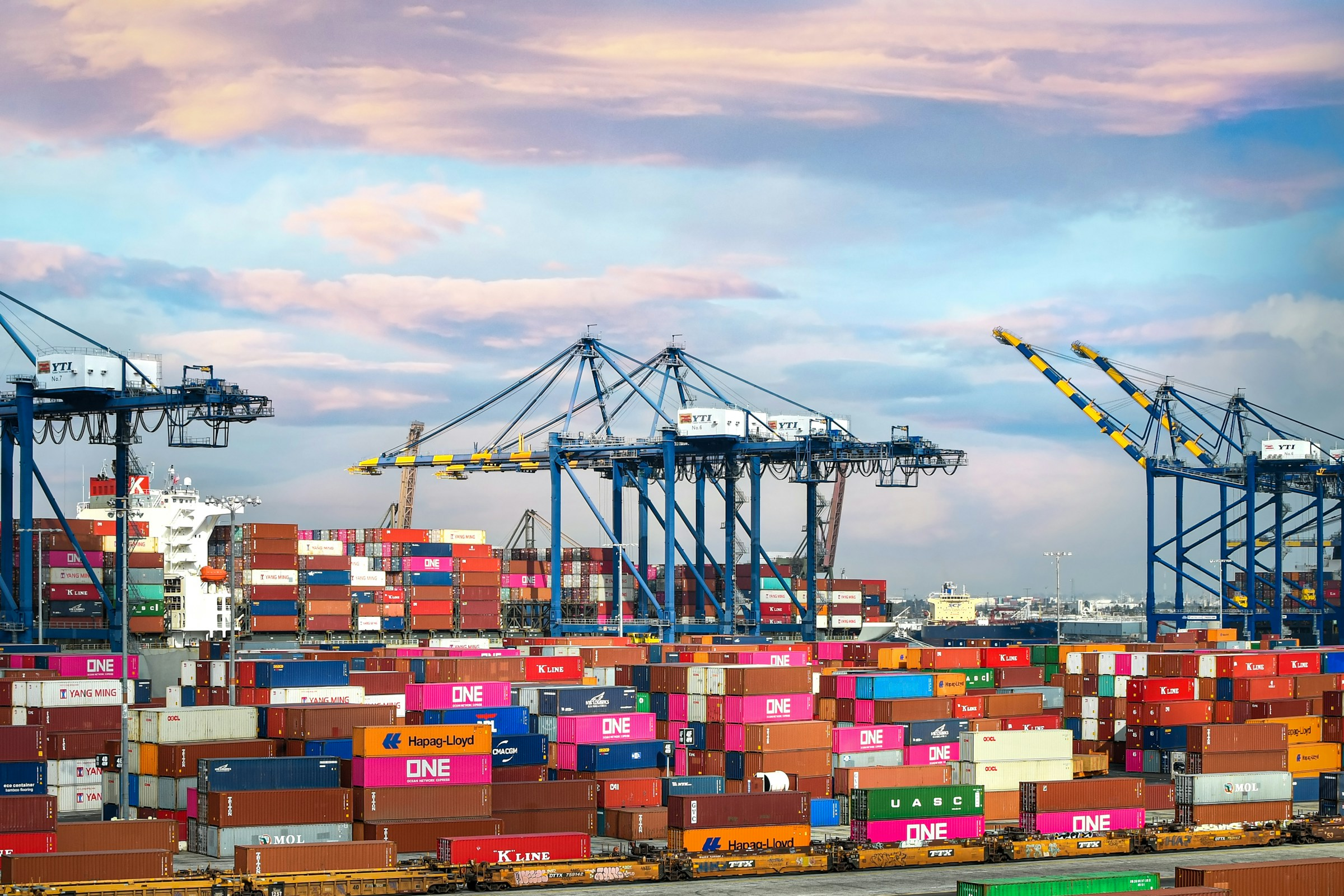
Chinese containerised exports to the US strengthened after a court ruling affected the use of tariffs under the International Emergency Economic Powers Act. Reduced exposure to some duties opened a short shipment window, prompting exporters and importers to move cargo before further policy changes could alter landed costs again.
High-value industrial and technology cargo has been central to the rebound. Integrated circuit exports from China increased sharply in value during May, while broader high-tech exports also rose. AI-related equipment, solar goods, electronics, and component flows have contributed to stronger demand on the transpacific, particularly into US west coast gateways.
Rate pressure has followed the cargo surge. Shippers that had delayed or rerouted goods during tariff uncertainty have returned to the market, while others have accelerated movements to protect cost positions. The combination has pushed additional volume into a narrow shipping window, producing familiar symptoms: tighter space, earlier booking, and premiums for urgent cargo.
Electronics, energy equipment, industrial automation, and data-centre infrastructure are all exposed to these movements. Their supply chains depend on component flows that can be disrupted by trade policy as much as by port congestion or factory output. A short tariff window can therefore behave operationally like a mini-peak season, even where end-demand remains uneven.
The pattern has already been visible in US import behaviour, with cargo being pulled forward before tariff exposure changes and trade execution shifting around tariff pressure. Those decisions do not stop at procurement. They feed into warehouse intake, container dwell, inland transport, working capital, inventory buffers, and production planning.
Technology supply chains face a particularly difficult balance. Cargo is often high value, time-sensitive, and hard to substitute at short notice. The AI infrastructure cycle has tightened demand for semiconductors, memory, networking hardware, and server components, while NAND supply has been pulled into constraint by AI inference demand. Freight capacity becomes another pressure point in a supply chain already stretched by compute growth.
Tariff uncertainty remains unresolved. Temporary relief can bring cargo forward, but it also creates uneven freight demand and the risk of overcorrection. If further duties return, are extended, or are replaced by new measures, importers may shift booking behaviour again with little warning. Carriers then have to set capacity against demand that reflects policy timing as much as consumption.
The current surge shows how quickly freight markets can be moved by regulation. Container rates can rise even when underlying demand is mixed if importers believe future trade conditions will deteriorate. Tariff monitoring has become a practical logistics discipline, sitting alongside customs compliance, routing strategy, and inventory control.
The next stage will depend on further US trade action and the behaviour of importers that have already advanced shipments. If high-tech cargo continues to compete aggressively for slots, transpacific planning will remain exposed to rate escalation, allocation pressure, and compressed booking windows. Industrial supply chains that depend on Chinese electronics and component flows will need to manage freight availability as carefully as tariff exposure.