IN Brief:
- TD SYNNEX has automated its long-running Aalst warehouse with WDP support.
- The brownfield project lifts picking performance from around 50 manual picks per person per hour to up to 350.
- The site has become a European reference point for automation inside existing logistics buildings.
TD SYNNEX has completed a major automation upgrade at its Aalst warehouse in Belgium, turning a nearly 30-year-old facility into a brownfield automation reference site.
The warehouse, operating since 1998, handles technology products ranging from cables, USB sticks, and SD cards to smartphones, PCs, and large-format displays. It serves as a link between suppliers and resellers, including SMEs, corporate customers, and retailers. The automation project was developed with WDP and centred on raising capacity, productivity, and operational resilience without abandoning the existing site.
TD SYNNEX faced a choice familiar to mature logistics estates: move into a new facility or modernise a building that already had an experienced workforce, established processes, and strong internal knowledge. The company chose to automate Aalst, preserving the site while creating a model that can inform other European operations.
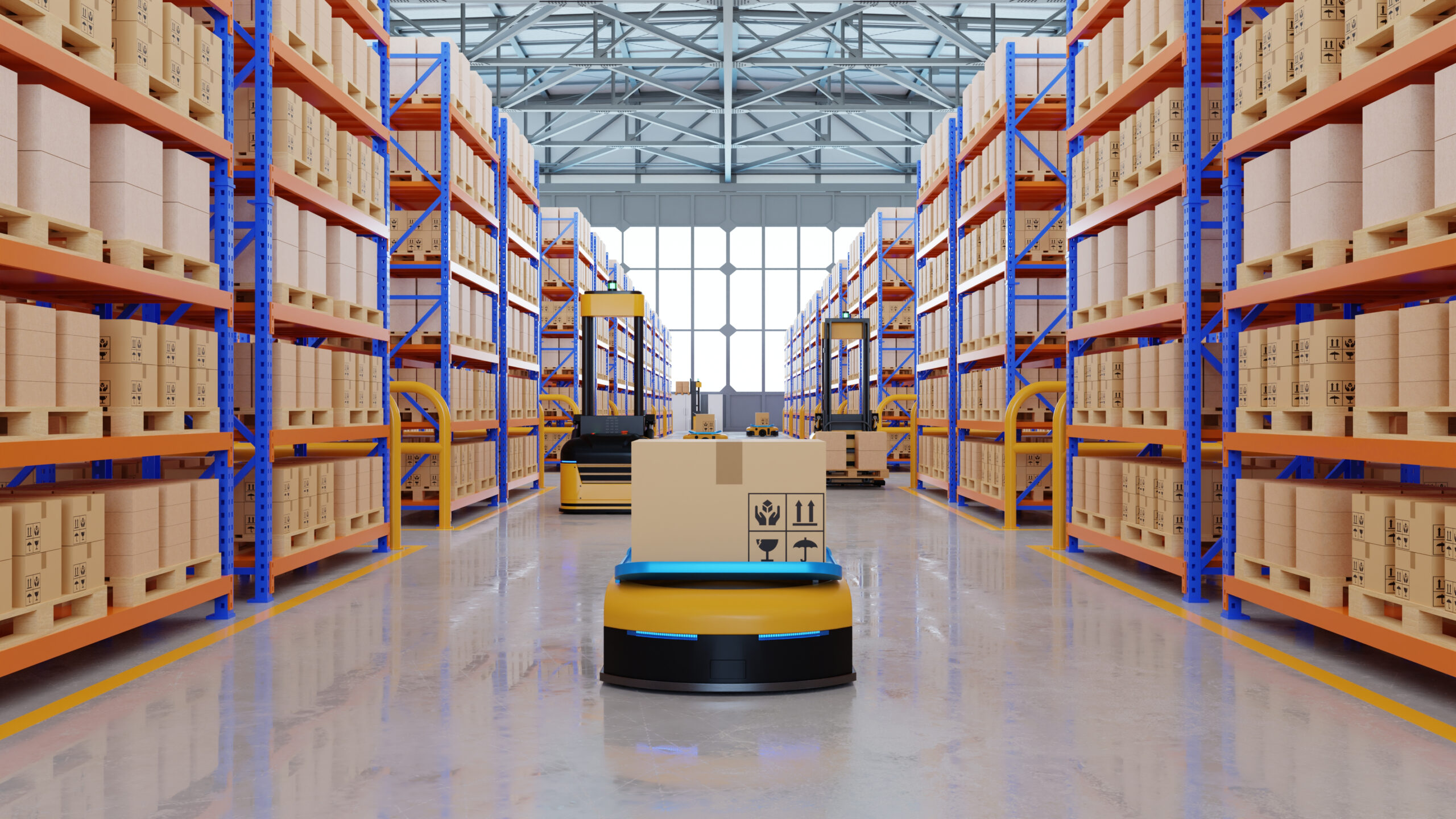
The upgraded operation combines shuttle technology, goods-to-person workflows, integrated manual and automated areas, automated box creation, and high-capacity sorting. Manual picking had previously delivered around 50 picks per person per hour. With automation in place, the site can reach up to 350 picks per hour. Integration between automated and manual sections has also reduced box use by around 200 boxes per day.
The new hall adds further capacity for incoming and outgoing goods, including space for 2,000 extra pallets. That additional room is important because automation projects can fail to deliver when storage, staging, and dispatch areas remain constrained. Raising pick productivity without improving surrounding flows simply moves congestion to another part of the building.
Brownfield automation is rarely a clean engineering exercise. Existing warehouses carry structural compromises, legacy processes, operational habits, live service commitments, and IT constraints. They also carry knowledge that cannot be replaced quickly. Relocating can solve some technical limitations, but it can also weaken labour stability, disrupt service, and force companies to rebuild local operating knowledge from scratch.
The Aalst project shows why retrofit automation is gaining ground. Industrial and logistics land remains expensive, planning can be slow, and occupiers are under pressure to extract more from buildings they already control. Where a site has strong labour access, transport links, process stability, and local management experience, the case for leaving has to clear a high bar.
Warehouse automation is also entering a more disciplined phase. Robots, shuttles, and automated sorters are no longer being judged only on technical performance. They have to be introduced without destabilising the operation they are meant to improve. European automation investments by companies such as Locus Robotics, and the growing focus on robotics-ready warehouse management systems, reflect the same operational priority: integration before spectacle.
Labour adoption remains central. Automation changes job content before it changes the workforce model. Walking, repetitive handling, replenishment, box creation, exception management, maintenance, and supervision are redistributed as systems take on predictable flows. TD SYNNEX involved employees and stakeholders early, treating the project as a long-term investment in the site rather than a detached technology deployment.
That approach is becoming more important as warehouse labour markets tighten. Mature sites often depend on supervisors, operators, inventory controllers, and maintenance teams who understand the building’s practical constraints. Automation projects that ignore that experience risk creating systems that work in modelling but struggle under daily conditions.
The environmental benefits are also tangible. Reducing box use cuts packaging consumption, while keeping the existing building avoids some of the disruption and embodied impact associated with relocation. More efficient pallet and product flows can also reduce congestion, improve staging discipline, and smooth vehicle handling around inbound and outbound areas.
Aalst gives TD SYNNEX a working reference point inside its own network. That distinction matters. A live, automated brownfield site carries more weight than a demonstration centre because it has been tested against real product flows, workforce adoption, and building constraints. As more companies look for automation that can fit the warehouse they already occupy, projects like Aalst will shape the next stage of European intralogistics investment.