IN Brief:
- FM Logistic is expanding its occupied space at CTPark Bucharest by 10,300 sqm.
- The project will take FM Logistic’s footprint across CTP’s Romanian portfolio to about 116,000 sqm.
- The site supports customers across FMCG, retail, healthcare, beauty, cosmetics, and industrial manufacturing.
FM Logistic is expanding its facility at CTPark Bucharest by 10,300 sqm, increasing its footprint across CTP’s Romanian portfolio to approximately 116,000 sqm.
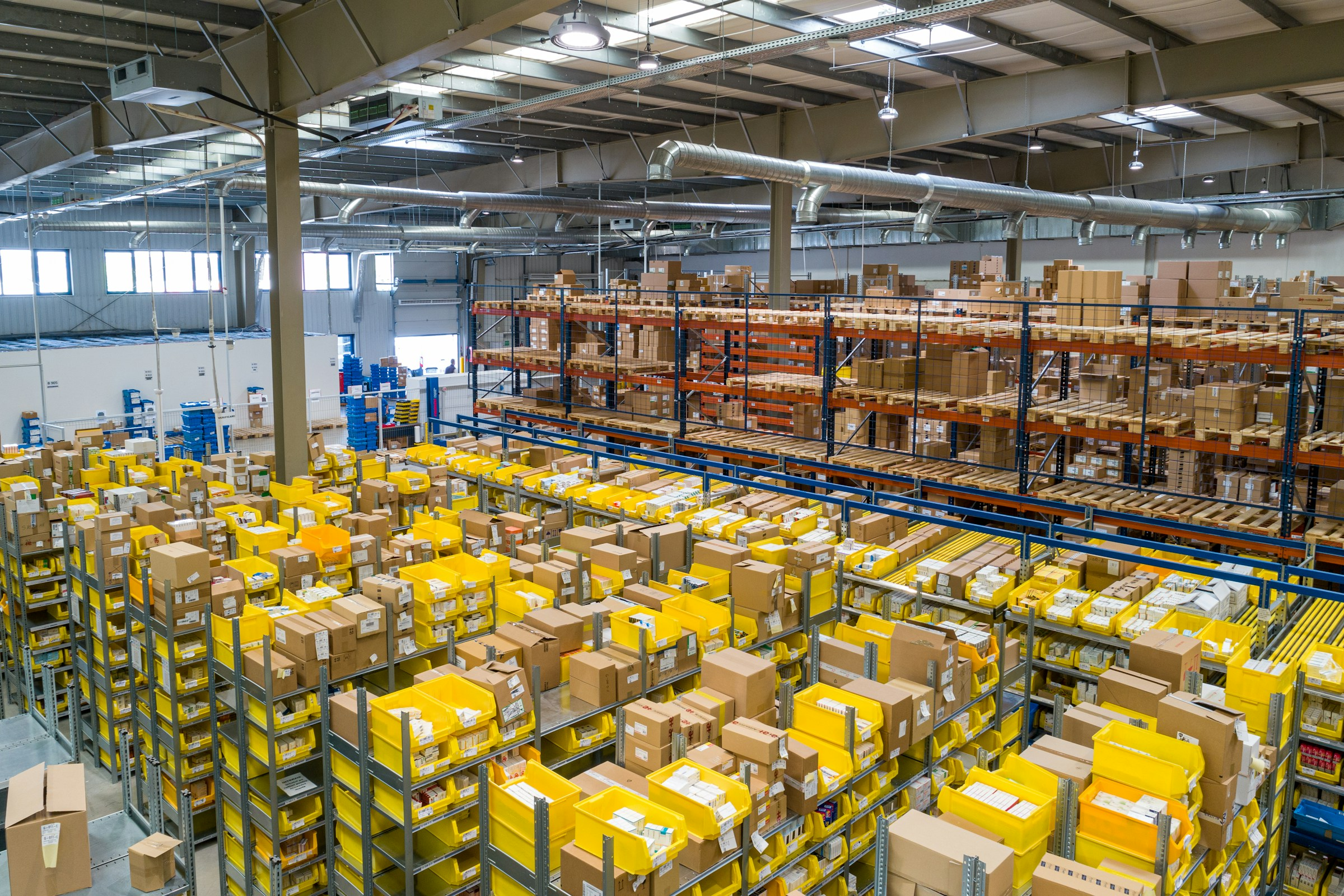
The new warehouse space is being developed at CTPark Bucharest in Dragomirești Vale, west of the Romanian capital. FM Logistic currently occupies 23,800 sqm at the park, with construction already under way and completion scheduled for the third quarter of 2026.
The expansion follows CTP’s 2023 acquisition of FM Logistic’s Romanian logistics portfolio through a sale-and-leaseback transaction. That portfolio included more than 100,000 sqm of warehouse space in Bucharest, Pitești, and Timișoara. CTP has continued investing in the assets while FM Logistic remains as tenant and operator.
The additional Bucharest capacity will support demand across fast-moving consumer goods, retail, beauty and cosmetics, healthcare, and industrial manufacturing. Those sectors require a mix of storage, transport coordination, value-added services, and regional distribution capability, with service expectations shaped by both domestic Romanian demand and broader Central and Eastern European flows.
CTPark Bucharest’s location near the A1 motorway gives the site access to Bucharest and wider Romanian transport routes. Motorway connectivity remains one of the central determinants of warehouse value because it governs delivery reach, driver productivity, inbound reliability, and access to manufacturers, retailers, stores, parcel networks, and regional hubs.
The project adds to a wider pattern of logistics property demand in Central and Eastern Europe. Manufacturers, retailers, and 3PLs are using the region both for domestic distribution and as part of broader European network design. Romania’s position, with access to south-eastern European markets, industrial production, retail growth, and Black Sea trade routes, gives modern logistics space a strategic role beyond simple storage.
Integrated hubs are becoming more important across the continent, from port-linked logistics platforms at Le Havre to inland distribution bases built around motorway access and multi-sector customer demand. The Bucharest expansion follows that pattern by adding capacity inside an established 3PL operation rather than creating a standalone speculative site.
The customer mix at Bucharest brings different operating requirements into one platform. FMCG and retail logistics depend on high service frequency, inventory accuracy, and the ability to handle demand variation. Beauty and cosmetics often require careful handling, batch control, seasonal peaks, promotional activity, and channel diversity. Healthcare adds stronger requirements around compliance, traceability, and product integrity, while industrial manufacturing depends on reliable inbound and outbound flows tied to production schedules.
Multi-sector operations create scale, but they also increase complexity. Shared infrastructure can improve utilisation, yet each customer group brings different service levels, data requirements, handling needs, and peak patterns. The warehouse must support pallet storage, order preparation, cross-docking, transport planning, value-added work, and IT integration without allowing one customer’s peak to distort another’s service.
The sale-and-leaseback background also shows how logistics operators are using property partnerships to release capital while preserving operational control. Owning large warehouse portfolios can tie up capital that might otherwise be used for technology, transport assets, automation, people, or customer development. Leasing from a specialist industrial real estate owner can give operators access to building investment while they focus on logistics execution.
That model depends on landlord-operator alignment. Logistics buildings increasingly need power capacity, clear heights, dock configuration, yard space, sustainability features, staff facilities, fire protection, automation readiness, and future expansion options. A passive building is no longer enough for high-performing supply chains; the site must be able to adapt as customer demands and technology requirements change.
FM Logistic’s Bucharest expansion strengthens its Romanian distribution base at a point when modern, adaptable logistics space remains difficult to replace quickly. The additional square footage gives the operator more room to serve multi-sector demand while keeping capacity close to one of the country’s most important consumption and transport corridors.