IN Brief:
- LTS Global Solutions has added 17,000 pallet spaces at its 130,000 sq ft Hams Hall facility.
- The expansion follows more than £500,000 of investment in racking infrastructure and materials handling equipment.
- The site combines WMS capability, BRCGS accreditation, ISO 9001, Planet Mark certification, and HMRC fulfilment-house approval.
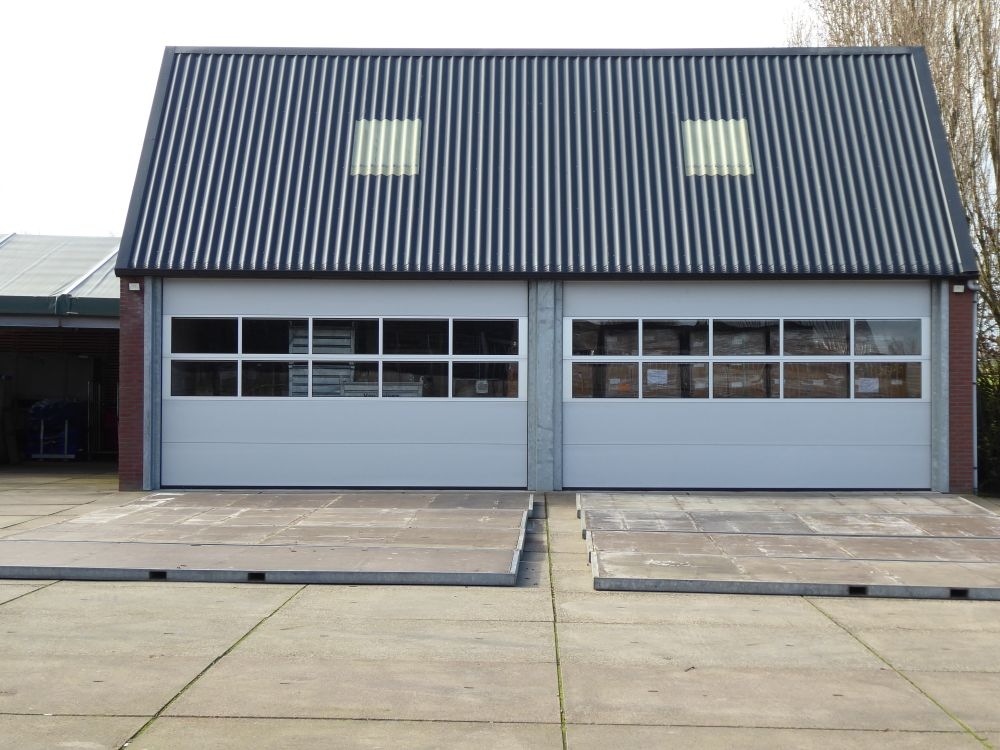
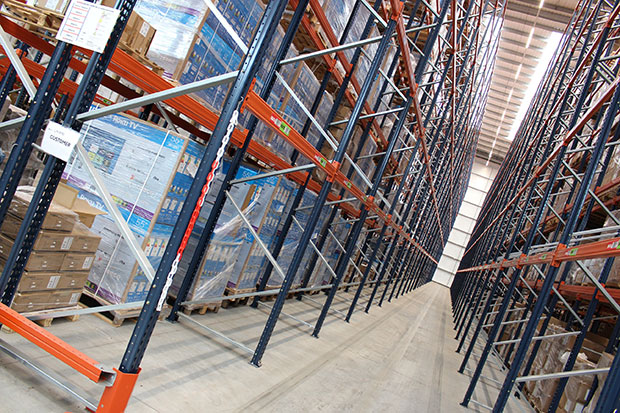
LTS Global Solutions has expanded its UK warehouse capacity with 17,000 additional pallet spaces at its 130,000 sq ft facility at Hams Hall, Coleshill.
The expansion follows investment of more than £500,000 in racking infrastructure and materials handling equipment. The additional space is designed to help the company onboard customers more quickly, support inventory buffering, and provide compliant storage for regulated goods within the UK’s logistics Golden Triangle.
The Coleshill site is located within Prologis Park at Hams Hall, giving it strong motorway connectivity at the centre of the Midlands logistics market. The warehouse operates an advanced warehouse management system and holds BRCGS accreditation, supporting customers in sectors where stock control, product integrity, and compliance are closely linked.
LTS is also certified to ISO 9001 and has achieved Planet Mark Business Certification. The company has been approved as a registered fulfilment house under HMRC’s Fulfilment House Due Diligence Scheme, supporting the secure and transparent handling of goods stored on behalf of non-UK sellers. Its services span logistics, transportation, and shipping across retail, food and drink, construction, automotive, and other industrial sectors.
The warehouse market continues to reward locations that combine national reach with operational flexibility. The Golden Triangle remains attractive because it offers access to major population centres, ports, parcel networks, and motorway corridors, but occupiers face continuing pressure from availability, rental cost, labour competition, and fit-out requirements. Additional pallet space with compliance credentials gives customers a route to expand without committing to a dedicated facility.
European logistics providers are making similar moves where customer demand and network positioning justify capacity investment. In Romania, FM Logistic has deepened its Bucharest distribution base, adding capacity in a market where location, regional reach, and contract logistics demand are converging. LTS’s Hams Hall expansion is a UK-specific development, but the operating logic is comparable: capacity is most valuable where it supports speed, compliance, and flexible customer onboarding.
Inventory buffering has returned to logistics planning after several years of disruption. Companies that once ran leaner stock positions have become more cautious where imported goods, regulated products, seasonal demand, or retail promotions are involved. Holding additional inventory carries cost, but running too lean can expose manufacturers and distributors to service failure when transport disruption, customs delays, or supplier issues appear.
The BRCGS accreditation gives the site particular weight for food and drink and adjacent categories. Warehousing for such goods cannot be treated as generic storage. It must support traceability, hygiene controls, quality processes, pest management, segregation, stock rotation, and documented operational discipline. Accreditation reduces uncertainty for customers that need a logistics partner capable of fitting into regulated supply chains.
HMRC fulfilment-house approval also strengthens the site’s cross-border role. Online marketplace activity and imported goods remain under close scrutiny, especially where non-UK sellers store products domestically. Fulfilment providers handling those goods need stronger due diligence, clearer records, and transparent processes. A warehouse that combines capacity with compliance systems is better placed to handle international seller stock without creating additional risk.
Sustainability credentials are increasingly part of warehouse selection. Planet Mark certification does not remove the emissions impact of storage and transport, but it provides a measurable framework for customers assessing logistics partners against procurement and Scope 3 reporting requirements. As environmental reporting becomes more embedded in contracts, credentials that were once peripheral are becoming part of commercial evaluation.
LTS’s expansion is therefore a capacity move with a compliance and resilience layer. The market still needs pallet space, but it increasingly needs space that can support regulated sectors, international fulfilment, transparent stock control, and measurable operational standards. In the Golden Triangle, that combination is likely to remain in short supply.