IN Brief:
- The global cold chain logistics market is forecast to grow from US$383.5bn in 2026 to US$515.8bn by 2031.
- Growth is being driven by pharmaceuticals, healthcare, food, online grocery, frozen products, and biologics distribution.
- Automation, cold storage investment, IoT monitoring, and regionalised networks are becoming central to temperature-controlled logistics.
Mordor Intelligence forecasts the global cold chain logistics market will grow from US$383.5bn in 2026 to US$515.8bn by 2031, representing a compound annual growth rate of 6.12%.
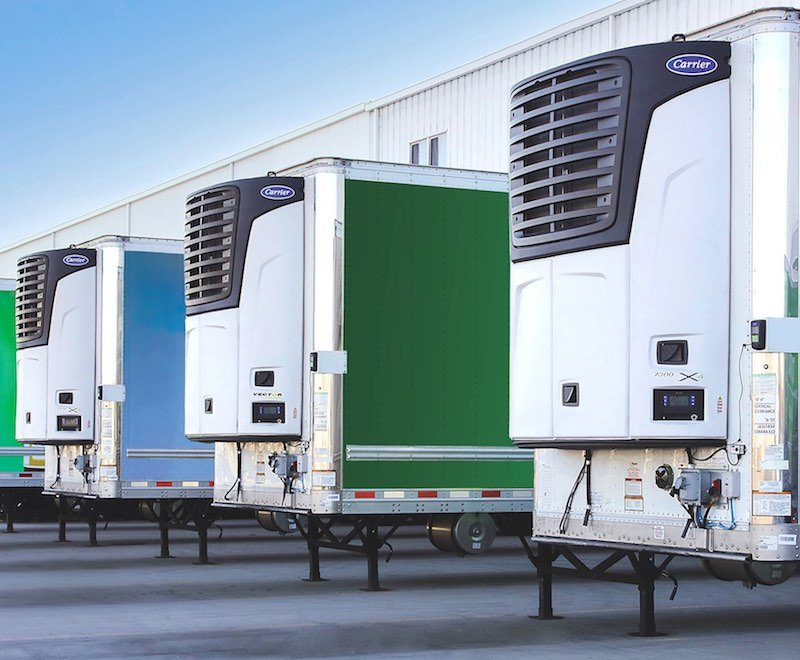
The market is being driven by increasing demand for temperature-controlled transportation and storage across pharmaceutical, healthcare, and food sectors. Vaccines, biologics, temperature-sensitive medical products, frozen foods, and online grocery fulfilment are all increasing the need for infrastructure that can maintain product integrity from production to final delivery.
North America remains the largest regional market, supported by investment in automation, cold storage capacity, and Internet of Things-enabled monitoring systems. Asia-Pacific is expected to grow fastest, driven by expanding healthcare infrastructure, urbanisation, and demand for refrigerated and frozen products.
The report also identifies growing demand for localised cold chain networks to support quick-commerce and online grocery delivery. Retailers are increasingly partnering with third-party logistics providers to improve delivery efficiency while maintaining temperature compliance. Shorter delivery promises and wider product ranges are making that requirement harder to execute.
Regulation is also pushing the market toward greater use of real-time monitoring. Temperature, location, and environmental condition data are now central to traceability, particularly in pharmaceutical and healthcare logistics. A shipment that arrives on time but outside temperature tolerance can still be commercially unusable and, in some cases, unsafe.
Europe continues to invest in energy-efficient refrigeration and modern cold storage infrastructure, while the Middle East and Africa are seeing more interest in solar-powered cold storage. Latin America’s growth includes Brazil, where demand from beef exporters and cold storage expansion remain important.
Pharmaceutical air cargo gives a clear view of the operating detail behind the forecast. Swissport’s work at EuroAirport Basel, covered at Swissport deepens EuroAirport’s pharma cargo role, shows how high-value temperature-sensitive freight depends on qualified handling, active containers, documentation control, and tight movement between production, forwarding, airport handling, and uplift.
Cold chain growth is not simply a matter of building more cold rooms. Capacity has to be matched with energy efficiency, temperature assurance, automation, labour availability, and data visibility. Cold storage is energy-intensive, and operators are exposed to electricity price volatility, refrigerant regulation, grid constraints, and rising customer expectations around emissions.
Automation is becoming more important because cold chain warehouses are difficult environments for labour. Frozen and chilled operations require stricter safety routines, protective equipment, shorter exposure times, and careful product handling. Automated storage, retrieval, picking, and pallet movement can improve consistency and reduce manual exposure, although capital costs remain high and integration must be handled carefully.
IoT monitoring is also moving from optional enhancement to operating requirement. Food, pharmaceuticals, biologics, and clinical materials need evidence that temperature conditions were maintained. Real-time monitoring allows intervention before product is lost, while creating more data to manage, interpret, and share with customers, regulators, insurers, and quality teams.
The rise of online grocery and quick commerce adds further complexity. Traditional cold chains were often built around bulk movement into stores or distribution centres. Faster ecommerce models need smaller, more frequent orders, urban fulfilment, mixed-temperature handling, and final-mile processes that protect product condition despite short delivery windows and fragmented drops.
Pharma logistics is even less forgiving. Biologics, vaccines, clinical trial materials, cell and gene therapies, and specialist medicines often carry high value and strict handling requirements. Failures can create product loss, regulatory exposure, and patient risk. That is why logistics providers are investing in qualified packaging, lane validation, monitoring, intervention teams, and specialist facilities.
The forecast points to a market expanding in value, but growth will not be evenly distributed. Operators with reliable infrastructure, clean data, energy-efficient systems, and sector-specific compliance capability will be better placed than those simply adding cold space.
Temperature-controlled logistics is becoming a quality system as much as a transport service. The strongest growth will sit with operators able to prove control at every handover.