IN Brief:
- CMA CGM has agreed to acquire FedEx Supply Chain at an enterprise value of $1.4bn.
- The business will be integrated into CEVA Logistics, expanding CMA CGM’s North American contract logistics footprint.
- The deal includes expected commercial agreements between CMA CGM and FedEx across ocean and air freight.
CMA CGM Group has agreed to acquire FedEx Supply Chain at an enterprise value of $1.4bn, strengthening its logistics presence in North America and expanding the scale of its CEVA Logistics subsidiary.
The transaction will move FedEx Supply Chain into CEVA Logistics once complete, subject to regulatory approvals and customary closing conditions. The deal is expected to close in 2026 and will add a major US contract logistics operation to CMA CGM’s wider shipping, forwarding, air cargo, port, and logistics portfolio.
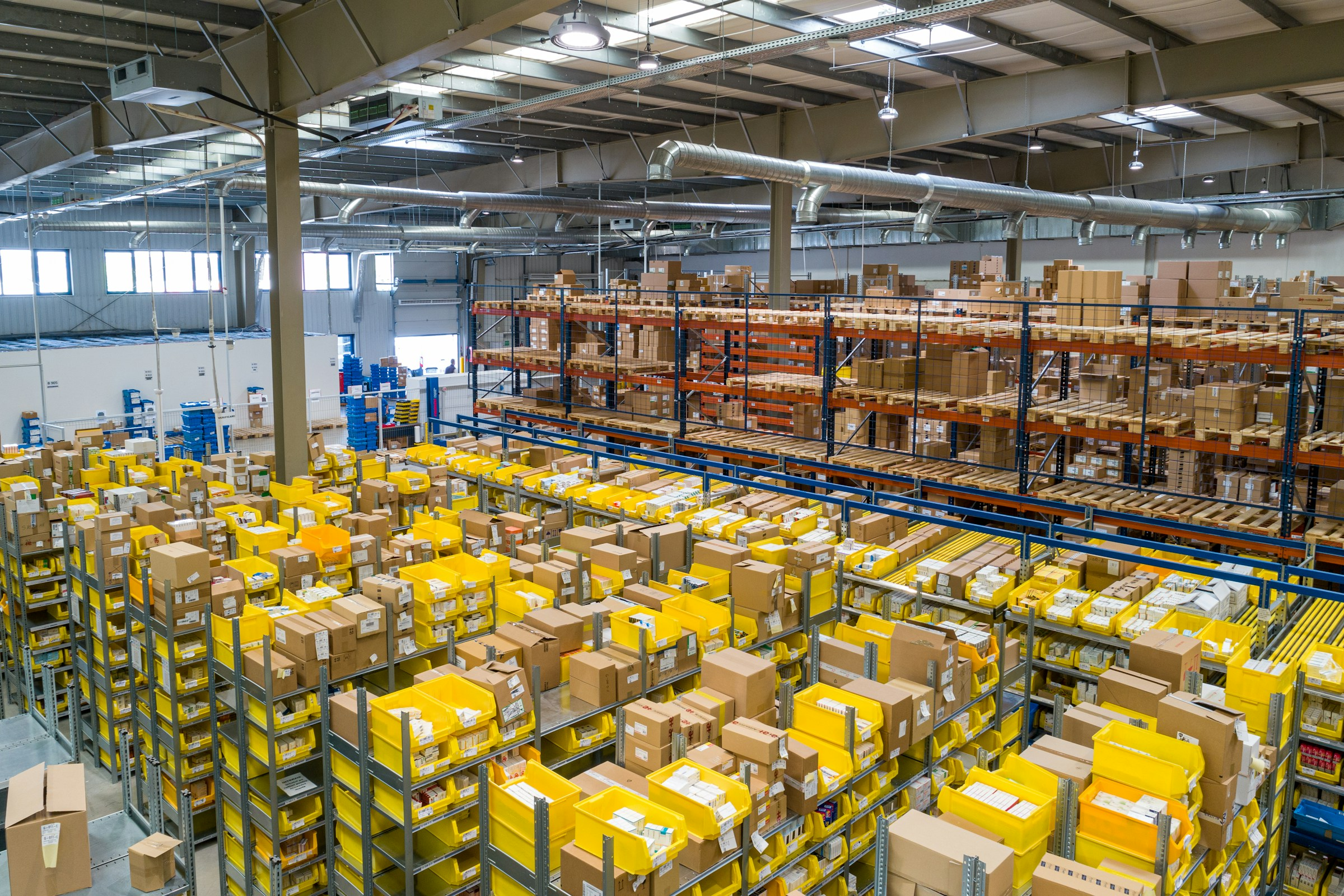
FedEx Supply Chain provides third-party logistics services including warehousing, fulfilment, distribution, reverse logistics, and transportation management. Its customer base spans retail, technology, consumer goods, healthcare, and industrial products. The acquisition gives CEVA a much larger North American contract logistics network, adding warehouse space, operating teams, customer relationships, and sector-specific capabilities.
The companies also expect to enter ocean and air commercial agreements. CMA CGM is expected to support FedEx with ocean transport and carrier services, while the groups will collaborate selectively on air cargo capacity. Those arrangements are expected to be implemented in phases between 2026 and 2028.
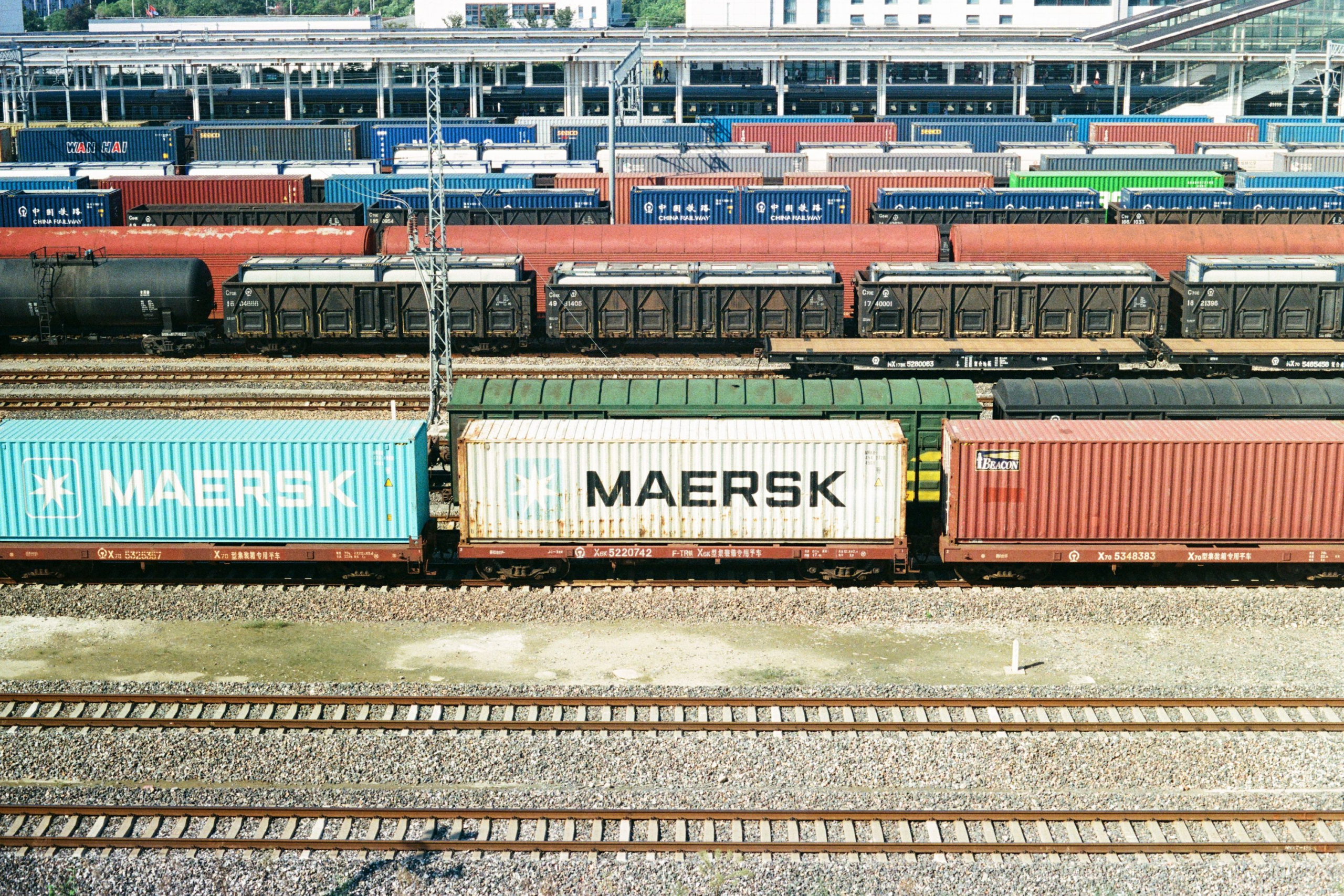
The acquisition reinforces CMA CGM’s strategy of building a broader logistics business beyond container shipping. The group has expanded through CEVA, port terminal investments, air cargo activity, and acquisitions in specialist logistics. FedEx Supply Chain deepens its exposure to contract logistics, where customer relationships are operationally embedded and less tied to spot ocean freight cycles.
FedEx is narrowing its focus around core air-ground delivery activity and business-to-business transport. The company has already moved to reshape its portfolio, including the separation of FedEx Freight. Selling the supply chain unit reduces exposure to contract logistics operations that sit outside its central parcel and express network model.
That portfolio adjustment sits alongside FedEx’s decision to make life sciences a standalone logistics organisation, covered at FedEx makes life sciences a standalone logistics bet. The company is not stepping away from specialist logistics entirely; it is concentrating on areas that fit more closely with high-value, time-sensitive, network-led services.
The deal arrives during a period of consolidation in specialist freight and contract logistics. Large customers want providers that can combine warehousing, transport management, customs support, fulfilment, returns, visibility, and sector expertise. Scale remains useful, but the more important test is whether that scale can be converted into consistent service across complex verticals.
Contract logistics is capital and process intensive. Warehouses need labour, automation, systems, property, inventory discipline, customer-specific workflows, safety controls, and integration with transport networks. Margins depend on execution quality, utilisation, contract design, and the ability to adapt sites as customer volumes shift.
CEVA gains a deeper North American footprint and a larger platform for cross-selling ocean, air, forwarding, warehousing, and distribution. CMA CGM’s container network can support international inbound flows, while CEVA’s contract logistics operations can manage goods once they reach destination markets. The strategic value sits in connecting those stages without adding unnecessary handovers.
The competitive effect could be significant. North America remains one of the most important contract logistics markets globally, with demand driven by ecommerce, retail replenishment, healthcare, reshoring, nearshoring, industrial production, and inventory redesign. Customers are looking for resilience after several years of transport volatility, stock imbalance, labour pressure, and uncertain consumer demand.
Integrating FedEx Supply Chain will require more than a change of ownership. Customer contracts, systems, warehouse processes, labour arrangements, and service cultures must be managed carefully. CEVA will need to retain operational knowledge while aligning the business with CMA CGM’s broader logistics strategy.
If executed cleanly, the acquisition gives CMA CGM a stronger position in the US logistics market and another lever for building end-to-end supply chain services. The risk lies in integration complexity. The reward is a larger, more embedded North American platform at a time when shipping groups are trying to reduce dependence on volatile ocean cycles.