IN Brief:
- Maersk is upgrading its refrigerated container fleet with next-generation IoT connectivity.
- Around 30% of the reefer fleet has already been upgraded with devices supporting stronger visibility and data quality.
- The investment supports food, pharma, and other temperature-sensitive supply chains where excursions can destroy product value.
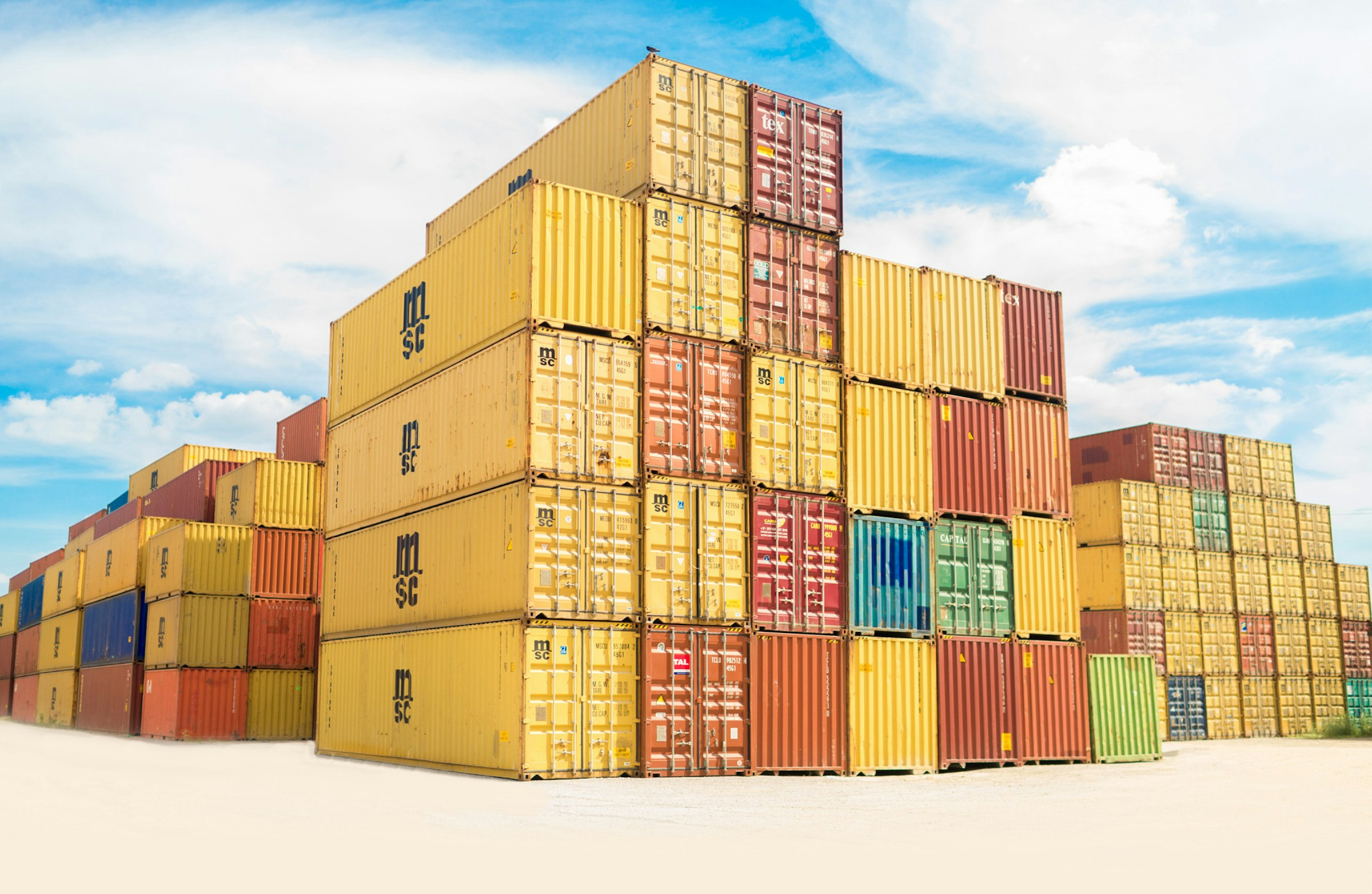
Maersk is upgrading its refrigerated container fleet with next-generation IoT devices, strengthening real-time visibility across temperature-controlled cargo movements.
The rollout has already reached around 30% of the company’s reefer fleet and is designed to improve data quality, connectivity, and monitoring across global cold-chain operations. The devices support 4G and 5G connectivity, standardised data transmission, predictive decision support, and solar energy harvesting, giving logistics teams more detailed information on cargo condition throughout the journey.
Refrigerated containers sit at the centre of high-value global trade in fruit, meat, seafood, dairy, pharmaceuticals, vaccines, biologics, and other sensitive products. A temperature excursion can turn a transport delay into a destroyed shipment, a rejected batch, a regulatory incident, or a customer failure. Stronger device-level visibility gives operators a better chance of spotting drift, dwell-time risk, or power interruption while the cargo can still be protected.
Maersk has been building cold-chain capability across more than one layer of the network. The company’s weekly Hyderabad pharma reefer rail corridor strengthened the inland link between India’s pharmaceutical manufacturing cluster and Nhava Sheva. That service addressed one of the most exposed parts of the export journey: the movement between production site and port. The IoT upgrade strengthens the container layer itself.
Cold-chain resilience cannot be delivered by a single asset. A reefer container may hold temperature effectively, but performance still depends on pre-trip inspection, power availability, port handling, vessel loading, documentation, inland transfer, and timely intervention if conditions drift. IoT visibility does not replace those controls; it gives operators a cleaner view of where they are breaking down.
Visibility is becoming more valuable because cold-chain supply chains are no longer defined only by temperature. Location, dwell time, route deviation, door events, power status, customs delay, energy use, and handover performance all affect product integrity and commercial risk. When cargo is regulated or high value, the ability to prove what happened can be as important as the movement itself.
The same direction is visible across healthcare logistics, where integrators are adding more controlled infrastructure around vulnerable handoffs. Controlled cross-dock investment in healthcare distribution shows how providers are reinforcing the points where air, ground, and storage operations meet. Maersk’s reefer programme takes that logic into ocean and inland container movements, using device-level data to make long international routes easier to supervise.
Food and pharmaceutical manufacturers are also operating in less forgiving conditions. Ingredient and product flows have become more global, port and inland disruption remain unpredictable, and buyers expect narrower delivery windows. At the same time, regulators and customers are demanding better documentation, clearer sustainability data, and stronger proof that sensitive cargo has been handled correctly.
The solar element of Maersk’s device upgrade adds a practical layer to the programme. Visibility can degrade during long journeys, terminal dwell, inland transfer, or periods away from reliable power. More robust device power helps maintain monitoring through the awkward parts of the journey, not only during planned operating conditions.
Claims and compliance processes are also likely to become more data-heavy as cold-chain cargo values rise. When a shipment is rejected, delayed, or exposed to an excursion, parties need a reliable chronology of events rather than a partial temperature record. Device-level data can support faster root-cause analysis, clearer accountability, and better decisions on whether cargo should be released, inspected, reworked, or written off.
The wider shift is from reactive monitoring to predictive management. Temperature records after delivery are no longer enough. Operators need warning signals, exception management, and intervention options while the cargo is still recoverable. If a container begins to drift from setpoint, if dwell time extends, or if a shipment misses a planned connection, commercial value sits in acting before the product is compromised.
Maersk’s upgrade gives the reefer fleet a stronger data foundation for that operating model. The return will depend on how well the information is integrated into customer systems, control towers, claims processes, and recovery decisions. In cold-chain logistics, visibility has value only when it changes the next decision quickly enough.