IN Brief:
- Maersk has launched a weekly refrigerated rail service from Hyderabad’s pharmaceutical manufacturing cluster to Nhava Sheva.
- The corridor uses 40-foot reefers, pre-trip inspection compliance, and integrated inland, ocean, and visibility services.
- The shift from road to rail is expected to reduce greenhouse gas emissions by about 3,000 tonnes over one year.
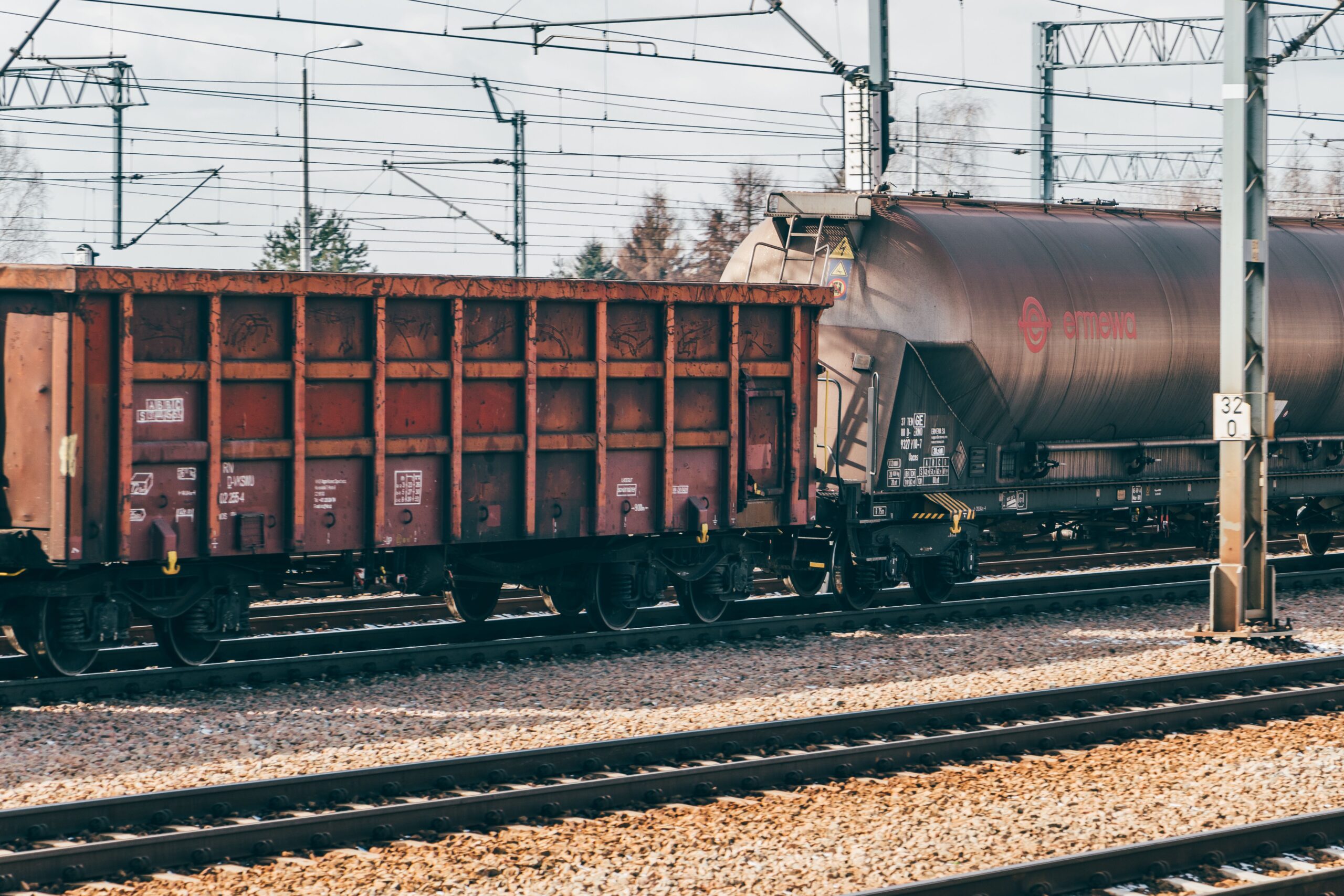
Maersk has launched a dedicated weekly refrigerated rail service connecting Hyderabad’s pharmaceutical manufacturing cluster with Nhava Sheva port, creating a scheduled inland cold-chain route into major ocean freight lanes.
The service, developed with Container Corporation of India, uses 40-foot refrigerated containers and combines pre-trip inspection compliance, quality-aligned container selection, dedicated equipment allocation, priority handling, and fixed weekly departures. Several pharmaceutical manufacturers in Hyderabad are already using the corridor, with additional exporters being onboarded.
Rather than operating as a conventional inland haulage leg, the Hyderabad–Nhava Sheva service has been structured as an end-to-end cold-chain product. Maersk will manage inland rail, ocean freight, and shipment visibility through a single-window arrangement, with documentation, compliance support, cold-chain advisory input, and destination trucking available where required.
The corridor connects Indian pharmaceutical exports with North America’s East Coast ports, including Newark, Norfolk, Charleston, and Savannah, while also supporting flows into Latin America, Europe, and other reefer destinations. Cargo requiring temperature integrity, controlled handover, and predictable port access will be the primary target.
Moving volume from road to rail is expected to reduce greenhouse gas emissions by about 3,000 tonnes over a one-year period, based on current projections. The emissions benefit will scale with uptake, while the operating model gives exporters a lower-carbon option without stripping out the handling controls required for regulated healthcare products.
Hyderabad’s pharmaceutical base has become a focal point for logistics investment as exporters push deeper into regulated international markets. IN Supply recently covered Kuehne+Nagel’s new temperature-controlled Hyderabad pharma facility, which added +2°C to +8°C and +15°C to +25°C handling capacity for healthcare shipments. Maersk’s rail launch builds out the same regional cold-chain ecosystem, shifting part of the focus from storage and airfreight handling to scheduled inland export movement.
Pharmaceutical logistics is increasingly shaped by the quality of the network between manufacturing site and export gateway. Medicines, vaccines, biologics, and other high-value products must move through tightly controlled routes where temperature deviation, documentation delay, or unplanned handover can disrupt both compliance and customer service. Road transport remains flexible, but long inland movements expose sensitive cargo to traffic variability, driver availability, congestion, and inconsistent dwell times.
Rail offers a different operating profile. It supports consolidated volumes, reduces exposure to highway disruption, and gives exporters a repeatable schedule around which production release, customs documentation, and vessel connections can be planned. For cargo that is sensitive to both delay and deviation, the value lies in removing variability from the first major leg of the export journey.
The service also reflects the movement of healthcare logistics away from isolated cold-chain assets. Warehouses, reefer equipment pools, airport pharma zones, and documentation teams still matter, but exporters increasingly need those elements connected through visible, accountable networks. Scheduled reefer rail gives Hyderabad manufacturers a clearer link between inland production and global shipping capacity.
As India’s pharmaceutical sector expands into higher-value and more tightly regulated product categories, inland logistics can no longer be treated as a low-risk transfer before the ocean leg. Maersk’s corridor gives exporters a more structured route to Nhava Sheva and positions rail as a mainstream cold-chain option for pharma exports rather than a secondary alternative to road.