IN Brief:
- A 62-acre empty-container yard will be developed around three kilometres from JNPA’s marine terminals.
- Automated gates, digital bay allocation, surveillance, inspection, repair, and repositioning services are planned.
- The 30-year concession is intended to improve equipment availability and reduce unnecessary container movements around Nhava Sheva.
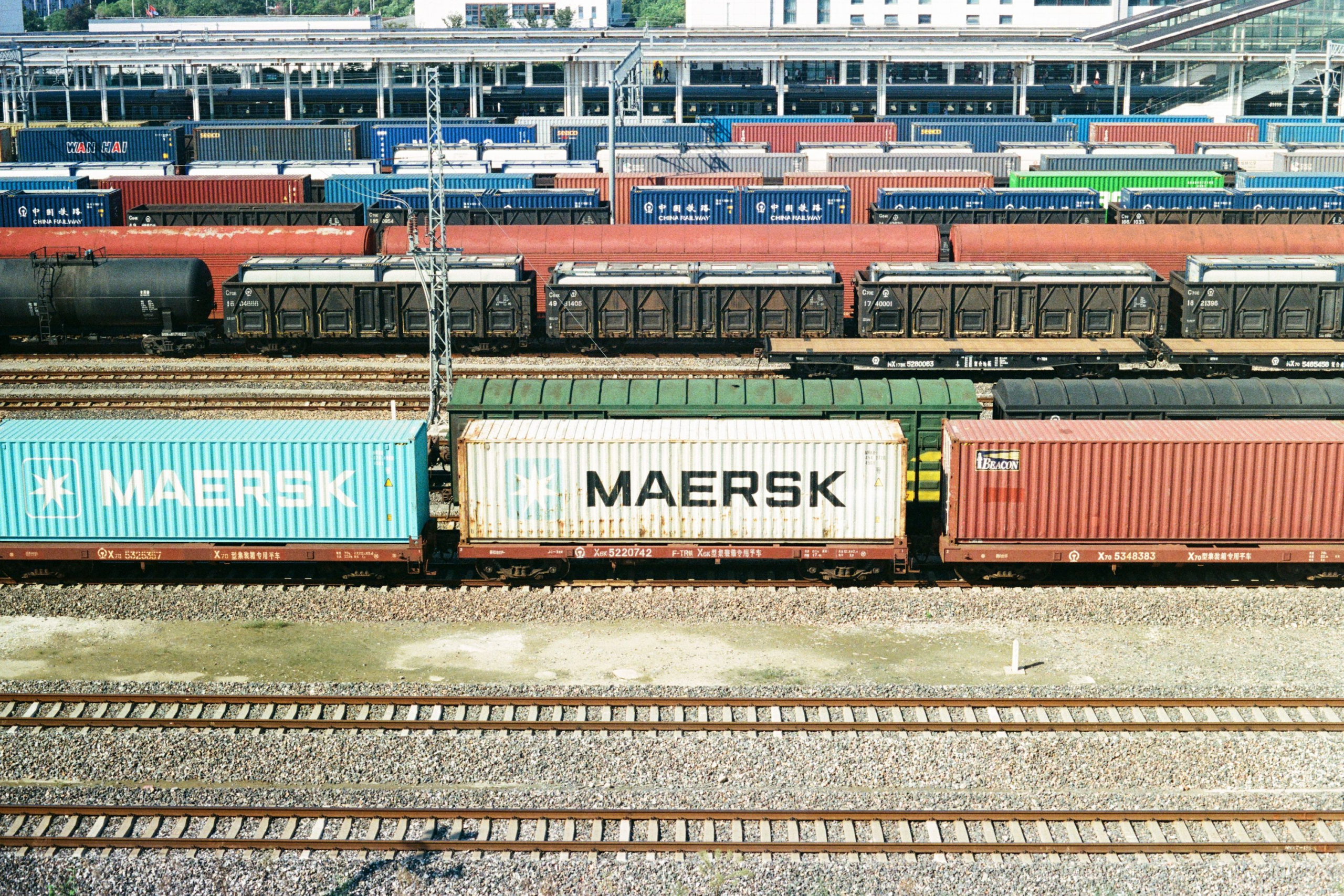
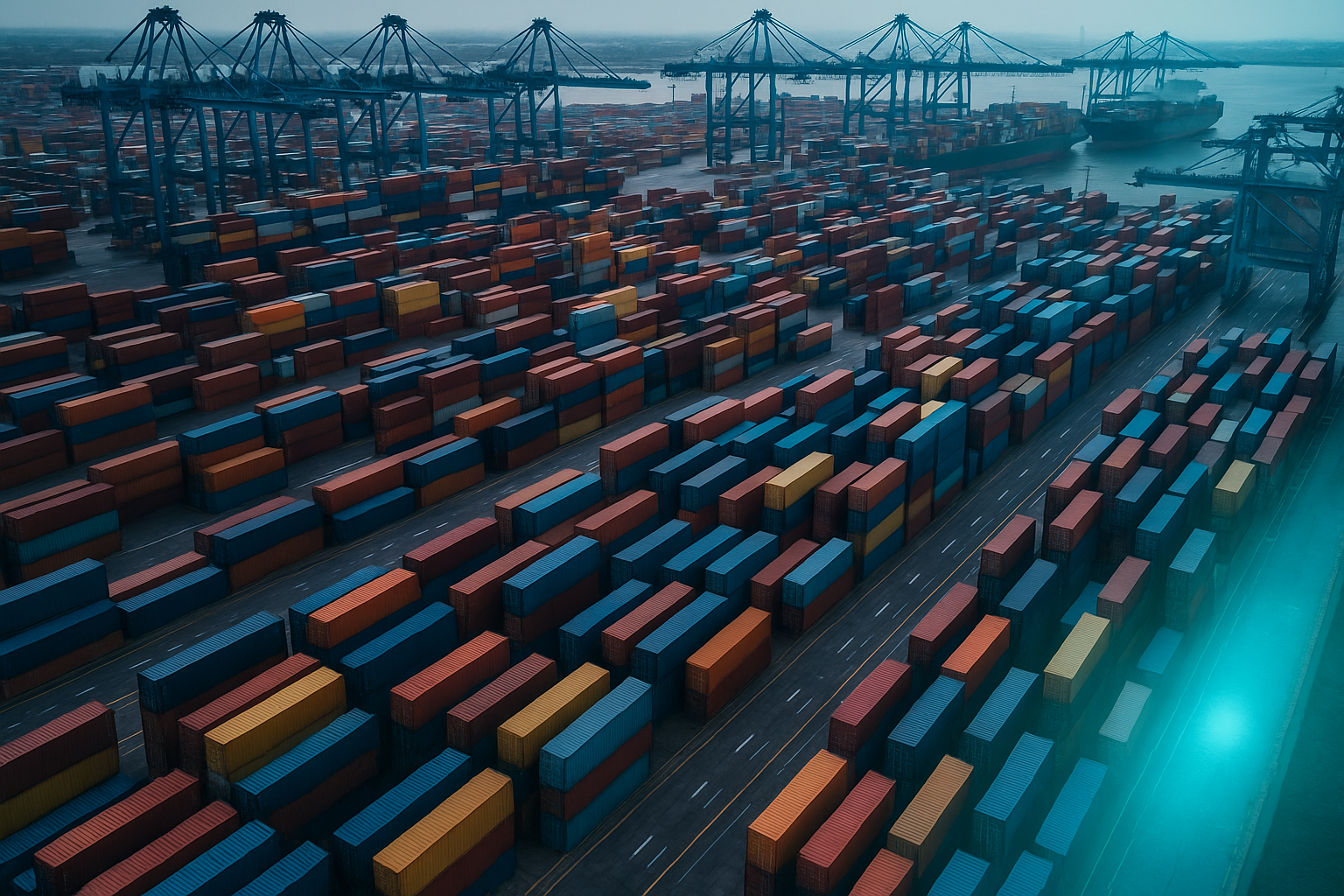
Jawaharlal Nehru Port Authority has awarded RSA Global a 30-year concession to develop a 62-acre empty-container yard near the Nhava Sheva terminals, creating a large, technology-led depot within one of India’s most heavily used port logistics clusters.
Located around three kilometres from the marine terminals, the site will bring empty-container storage together with inspection, cleaning, maintenance, repair, certification, weighing, and repositioning services. The planned investment has been valued at approximately ₹2,580 crore over the concession period, with RSA Global responsible for developing and operating the facility.
Automation is expected to extend from the entrance gate into the yard itself. Optical character recognition, automated vehicle processing, AI-supported CCTV, digital bay allocation, and a yard-management system are planned, giving operators a live record of container identity, condition, position, and availability rather than relying on fragmented depot records and manual searches.
JNPA handled 7.3 million TEU during the 2024–25 financial year and accounts for more than half of the container traffic passing through India’s major ports. Continued throughput growth is placing greater pressure on the roads, depots, container freight stations, rail links, and equipment pools surrounding the terminal complex, even when berth and crane performance remain stable.
Empty equipment consumes a disproportionate amount of that supporting capacity. Containers generate no loaded freight revenue while they are being stored or repositioned, yet they still require trucks, drivers, lifting machinery, inspection space, and yard slots. When the right box is held at the wrong depot, exporters can wait for equipment while serviceable units accumulate elsewhere in the port system.
Those imbalances become more disruptive as gateway volumes rise. A shortage of trailers and drivers outside the terminals recently slowed import evacuation despite normal operations across JNPA’s five container terminals, leaving the port dependent on additional road capacity, rail transfers, and faster clearance through container freight stations. The episode showed how quickly inland constraints can restrict an otherwise functional gateway, as detailed in the disruption caused by JNPA’s trailer shortage.
Development around the port is already moving towards denser and more specialised logistics infrastructure. NCCCL is constructing India’s first large vertical warehouse within the JNPA logistics zone, using multi-level storage to place more operational capacity on constrained port-adjacent land. The empty-container project applies a similar concentration strategy to maritime equipment rather than palletised inventory.
Proximity should shorten some depot transfers, although distance alone will not determine the result. Shipping-line release instructions, export bookings, inspection records, repair status, truck appointments, and terminal gate information must move between separate systems before a vehicle reaches the yard. Automated processing loses much of its advantage when drivers arrive with incomplete orders or when container status differs between the depot, carrier, and terminal.
A shared operating picture would allow export-grade equipment to be matched with bookings earlier, while damaged or contaminated containers could be diverted into repair and cleaning workflows without repeated manual checks. Specialist requirements add another layer, particularly for food, chemical, pharmaceutical, and high-value cargoes that need equipment meeting defined cleanliness, integrity, or certification standards.
Truck circulation will require equally careful design because a large consolidated yard can attract substantial traffic of its own. Appointment controls, separate lanes for collection and return, fast exception handling, and coordination with nearby terminal peaks will determine whether the facility removes road friction or transfers queues from several smaller depots into one larger gate complex.
Independent empty-container yard operators have raised concerns that the scale and structure of the concession could concentrate too much activity within a single facility. Smaller depots provide distributed capacity and can absorb local surges, while a dominant operation may leave shipping lines and hauliers more dependent on one gate system, one management platform, and one physical location.
JNPA will consequently have to balance consolidation with resilience. Service standards, transparent access, equipment turnaround, repair pricing, system availability, and contingency planning will influence whether the new yard improves the wider market or merely redirects existing activity into a larger asset.
The strongest gains will come from reducing unproductive moves rather than storing more boxes in isolation. Shorter truck turns, faster release of export-ready equipment, fewer searches, and better repair scheduling would release capacity across roads, depots, and terminal gates without requiring every improvement to come from another berth or crane.
At a gateway already handling more than seven million TEU annually, the empty leg of the container cycle can no longer be treated as secondary yard work. JNPA’s new concession places equipment management alongside terminal automation and inland connectivity as a core part of port performance.