IN Brief:
- NCCCL has secured nearly ₹870 crore of new projects across the Mumbai Metropolitan Region.
- The package includes India’s first vertical warehouse for Welspun One Logistics Parks at the JNPA Special Economic Zone.
- The project reflects growing pressure to create denser, port-linked logistics infrastructure in land-constrained urban markets.
New Consolidated Construction Company Limited has secured nearly ₹870 crore of new projects across the Mumbai Metropolitan Region, including construction of India’s first vertical warehouse for Welspun One Logistics Parks at the JNPA Special Economic Zone in Navi Mumbai.
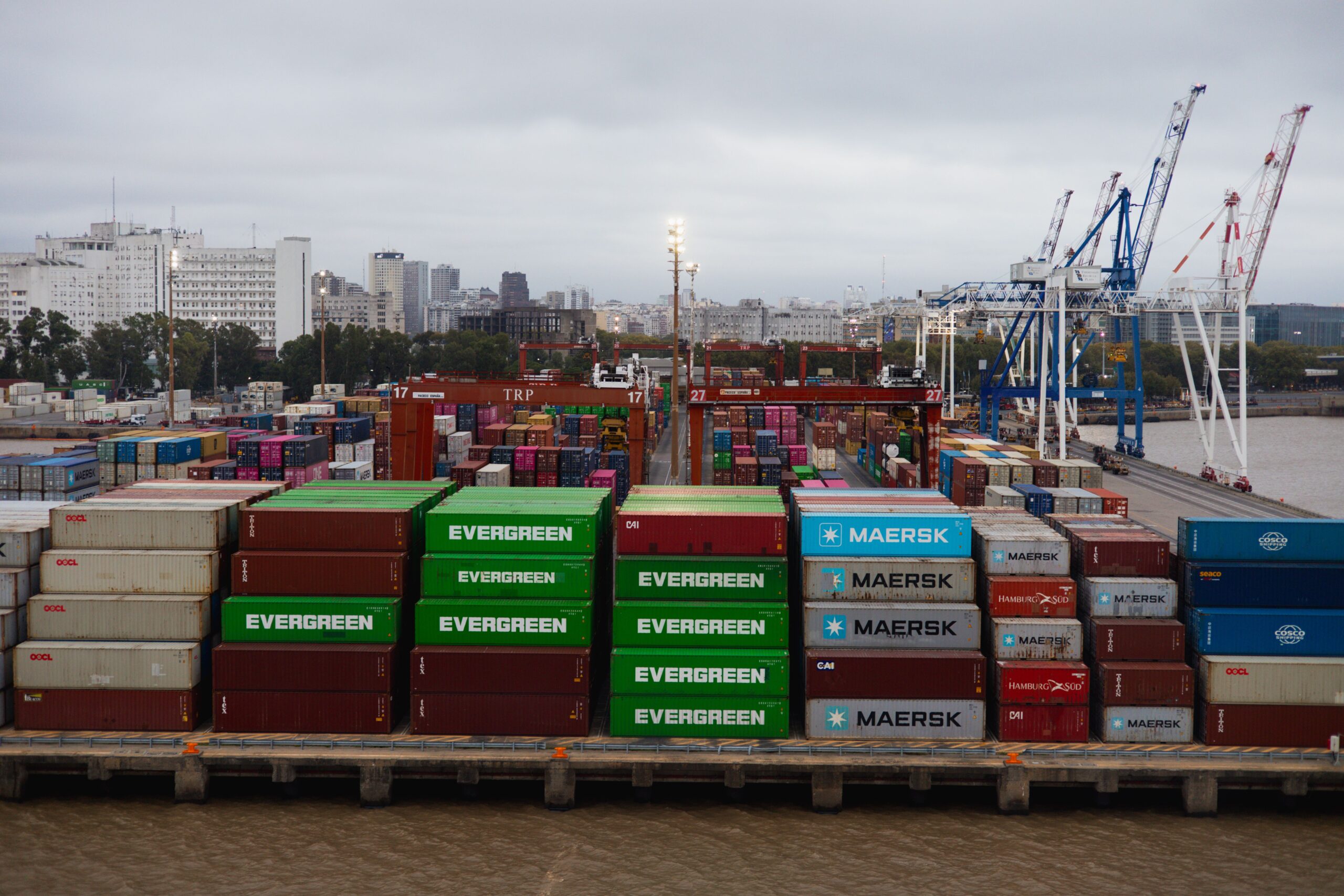
The logistics element of the award will see NCCCL deliver a high-density warehouse scheme across two blocks with a combined area of about 18.15 lakh sq ft. Positioned close to Jawaharlal Nehru Port Authority, the project sits within one of India’s most important port-linked logistics zones, where container traffic, industrial cargo, and inland distribution demand are tightening pressure on available land.
NCCCL will handle structural works, external infrastructure, and apron areas for the vertical warehouse project. Although the wider contract package also covers major residential and redevelopment work, the JNPA warehouse is the more significant development for the logistics sector because it points to a different storage model in dense gateway markets.
Indian warehousing growth has often depended on outward expansion: larger sheds, wider land banks, and road-connected clusters around major cities. Around ports, airports, and manufacturing corridors, that model is becoming harder to sustain. Land costs, road congestion, and the need to keep inventory close to gateway infrastructure are pushing developers towards more intensive use of each site.
The JNPA location gives the scheme added weight. Container evacuation issues at the port have already shown how quickly inland transport constraints can interrupt otherwise functional terminal operations, particularly when trailer availability, driver resources, and off-dock movement capacity fail to keep pace with cargo flow. A denser logistics asset inside the port ecosystem can help reduce some of that friction, provided the building is designed around fast vehicle circulation and efficient internal movement.
Vertical warehousing is already a more established approach in several land-constrained Asian markets, particularly where e-commerce, port activity, and urban fulfilment compete for limited industrial space. Its adoption in India marks a more deliberate move towards multi-level logistics buildings as a practical response to location pressure, rather than as a design novelty.
For occupiers, the operational test will sit in the details: ramp gradients, vehicle routing, floor loading, goods movement between levels, fire safety, dock scheduling, automation readiness, energy use, and yard management. A vertical building can create significantly more cubic capacity on a smaller footprint, but poor internal flow can quickly erode the land-efficiency advantage.
As India invests in multimodal logistics, port-led industrial zones, and domestic manufacturing capacity, logistics real estate is becoming more closely tied to the country’s industrial strategy. The strongest sites are no longer simply the cheapest or largest; they are the sites that can keep imported goods, export cargo, components, and finished products moving through constrained gateway locations with fewer handovers.
Navi Mumbai is a natural test bed for that shift. It combines port access, dense urban demand, airport-linked growth, and strong industrial development pressure. The vertical warehouse will therefore be watched as a marker for whether multi-storey logistics can become a repeatable model in India’s largest gateway markets.
If the building performs as planned, similar projects could follow around other port-adjacent logistics parks and urban industrial zones. The warehouse capacity question in India is changing from how much space can be built to how much useful capacity can be created in the right locations.