IN Brief:
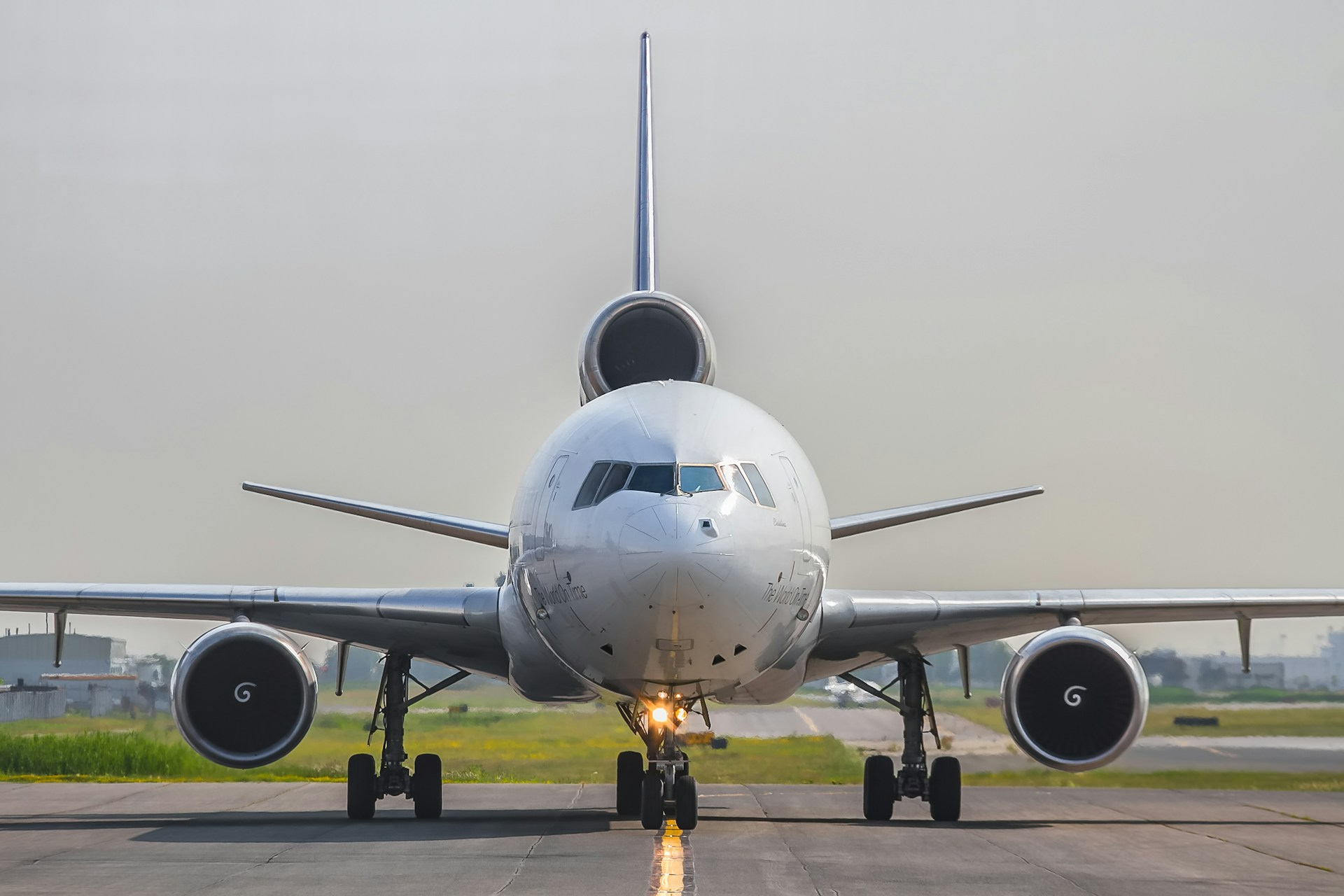
- Dedicated freighter operations are scheduled to transfer from Mumbai’s existing airport during a major airside upgrade.
- Passenger bellyhold cargo is expected to remain at Chhatrapati Shivaji Maharaj International Airport.
- Pharmaceutical, perishable, and other time-sensitive shipments face additional handling and road-transfer risks under the split-airport model.
Navi Mumbai International Airport is approaching a demanding cargo transition as airlines, handlers, customs authorities, and security agencies prepare to move dedicated freighter operations away from Mumbai’s established airport.
Chhatrapati Shivaji Maharaj International Airport is expected to suspend dedicated freighter handling between August 2026 and May 2027 while airside infrastructure is upgraded. Passenger services will continue, and the cargo carried in passenger aircraft bellyholds is due to remain at the existing airport throughout the work.
Mumbai’s air cargo market will therefore be divided by aircraft type rather than transferred in full. Freighter shipments will move through Navi Mumbai, while bellyhold consignments continue to use the established cargo terminals, customs processes, trucking routes, and handling operations at Chhatrapati Shivaji Maharaj International Airport.
Regulatory and operational approvals remain central to the relocation. Airlines require confirmed slots, handling arrangements, security procedures, customs permissions, dangerous-goods processes, warehouse access, and trucking plans before schedules can be moved, while freight forwarders need sufficient notice to redirect export cargo and amend customer instructions.
Around 65% of Mumbai’s air cargo currently travels in passenger aircraft bellyholds. The remaining freighter volume is smaller in aggregate but includes a high proportion of dense, outsized, urgent, temperature-controlled, and commercially sensitive cargo that cannot always be accommodated beneath passenger cabins.
Splitting those flows across two airports complicates consolidation. A forwarder may receive consignments for the same destination that are booked on different aircraft types, requiring earlier separation, duplicate handling plans, or an inter-airport road transfer when capacity changes close to departure.
Bookings can also move between freighter and passenger services when schedules are disrupted. Under a single-airport model, cargo may be transferred between terminals without leaving the airport perimeter; under a dual-airport arrangement, an alternative flight could require a road journey, fresh security controls, amended customs records, and a revised handling cut-off.
Pharmaceutical exports face particularly narrow margins for delay. Mumbai and the surrounding industrial regions support substantial pharmaceutical, chemical, biotechnology, medical-device, and healthcare production, while air freight carries active ingredients, finished medicines, clinical supplies, diagnostics, and temperature-sensitive materials into international markets.
Additional road stages require clear custody, validated packaging duration, temperature monitoring, and rapid exception management. A shipment held between airports can exhaust the protection offered by passive packaging before it reaches the aircraft, while active containers require charging, monitoring, and approved handling at each facility.
Freighter capacity serving India has expanded as manufacturing and export volumes have grown. Challenge Group’s deployment of larger aircraft between Mumbai and Europe, together with additional Shanghai services, placed more main-deck capacity into Asian industrial lanes, as examined in the carrier’s recent Asia–Europe freighter expansion. The Mumbai transfer now tests whether airport infrastructure can absorb that commercial momentum without weakening ground performance.
Navi Mumbai has been designed with initial annual cargo capacity of around 800,000 tonnes and substantial room for future expansion. Its position closer to JNPA, Navi Mumbai’s logistics estates, and parts of the Mumbai–Pune industrial corridor should eventually improve access for some manufacturers and freight operators.
Capacity on paper does not guarantee a smooth opening. Specialist warehouses, build-up and breakdown areas, unit-load-device controls, screening equipment, customs systems, truck docks, refrigeration, and trained personnel must be operating together from the first freighter movement, particularly where both airports will remain active.
Staffing will be divided as well as cargo. Ground handlers may need parallel teams, maintenance cover, supervisory structures, and transport between sites, while airlines must decide which equipment and operational personnel can be transferred without weakening the bellyhold operation that remains at the original airport.
Road connectivity will shape the daily result because the two airports serve different parts of the metropolitan region. Forwarders with warehouses and consolidation centres positioned around the existing gateway may face longer line-haul movements to Navi Mumbai, while operators closer to the port and eastern industrial areas could gain a shorter route.
The transition will succeed only if Mumbai operates as a coordinated two-airport cargo system. Shared status information, dependable transfer times, compatible operating hours, and an agreed escalation process will be required whenever a truck, customs entry, shipment, or aircraft falls out of sequence.
Navi Mumbai provides the physical space needed for further cargo growth, but its early reputation will be established through ordinary transactions: whether trucks enter on time, whether shipments clear without duplicated intervention, and whether freighters depart with the booked cargo intact. Those details will determine whether the relocation adds capacity or simply adds another handover.