IN Brief:
- A joint administrative order is being prepared for signing in August.
- The draft addresses local shipping charges, container deposits, detention, and empty-equipment returns.
- Authorities also intend to improve yard utilisation before seasonal cargo volumes increase.
The Philippine Bureau of Customs is working with transport, trade, finance, ports, tax, maritime, and competition authorities on new rules covering local shipping charges, empty-container returns, detention, container deposits, and port-yard utilisation.
The joint administrative order is targeted for signing in August following stakeholder consultation on a draft released in July. Its scope includes terminal operators, shipping lines, agents, freight forwarders, consolidators, hauliers, warehouses, and container depots.
Authorities want the framework operating before cargo volumes increase during the final months of the year, when importers build seasonal inventories and businesses accelerate deliveries ahead of year-end closures. Manila’s terminals and surrounding depots have repeatedly struggled when boxes remain inside the system longer than planned.
The draft seeks greater transparency around local charges added to international shipments. These can include documentation, handling, equipment, storage, and administrative fees that sit outside the principal ocean-freight rate and may not be visible when a shipment is initially contracted.
Without consistent descriptions and charging bases, importers can struggle to compare quotations or determine which party supplied a particular service. A common disclosure structure would make the amount, purpose, payment deadline, and responsible organisation clearer before cargo reaches the terminal.
Container deposits are another focus. Importers and their representatives may wait extended periods for refunds after returning equipment, tying up working capital and creating a recurring administrative burden across high-volume programmes.
The proposed rules would clarify refund responsibilities and the evidence required to confirm that a container was returned within the agreed period and in acceptable condition. Accurate interchange records will be essential because disputes often centre on damage, date, location, or whether a nominated facility was capable of receiving the unit.
Detention charges become particularly contentious when cargo owners cannot return an empty because the shipping line’s chosen depot is full or unavailable. The draft includes safeguards for delays attributable to the carrier, terminal, or nominated facility rather than the importer.
Establishing responsibility will require time-stamped data covering release, collection, attempted return, depot capacity, alternative instructions, and final acceptance. Without that evidence, each party can attribute the delay elsewhere while charges continue to accumulate.
Empty-container management remains one of the most persistent constraints around Manila. An import box continues occupying road, storage, and chassis capacity after its cargo has been delivered, and its commercial cycle remains incomplete until the carrier accepts it back or assigns it to another movement.
When depots reach capacity, hauliers may make unsuccessful journeys or hold equipment at customer premises. Each failed return consumes driver hours, fuel, road space, and chassis availability, while the importer remains exposed to possible detention.
The order also covers temporary admission and customs valuation. Containers function as transport equipment rather than conventional imported merchandise, although their movement still requires a legal and data framework capable of distinguishing temporary entry from equipment remaining indefinitely in the country.
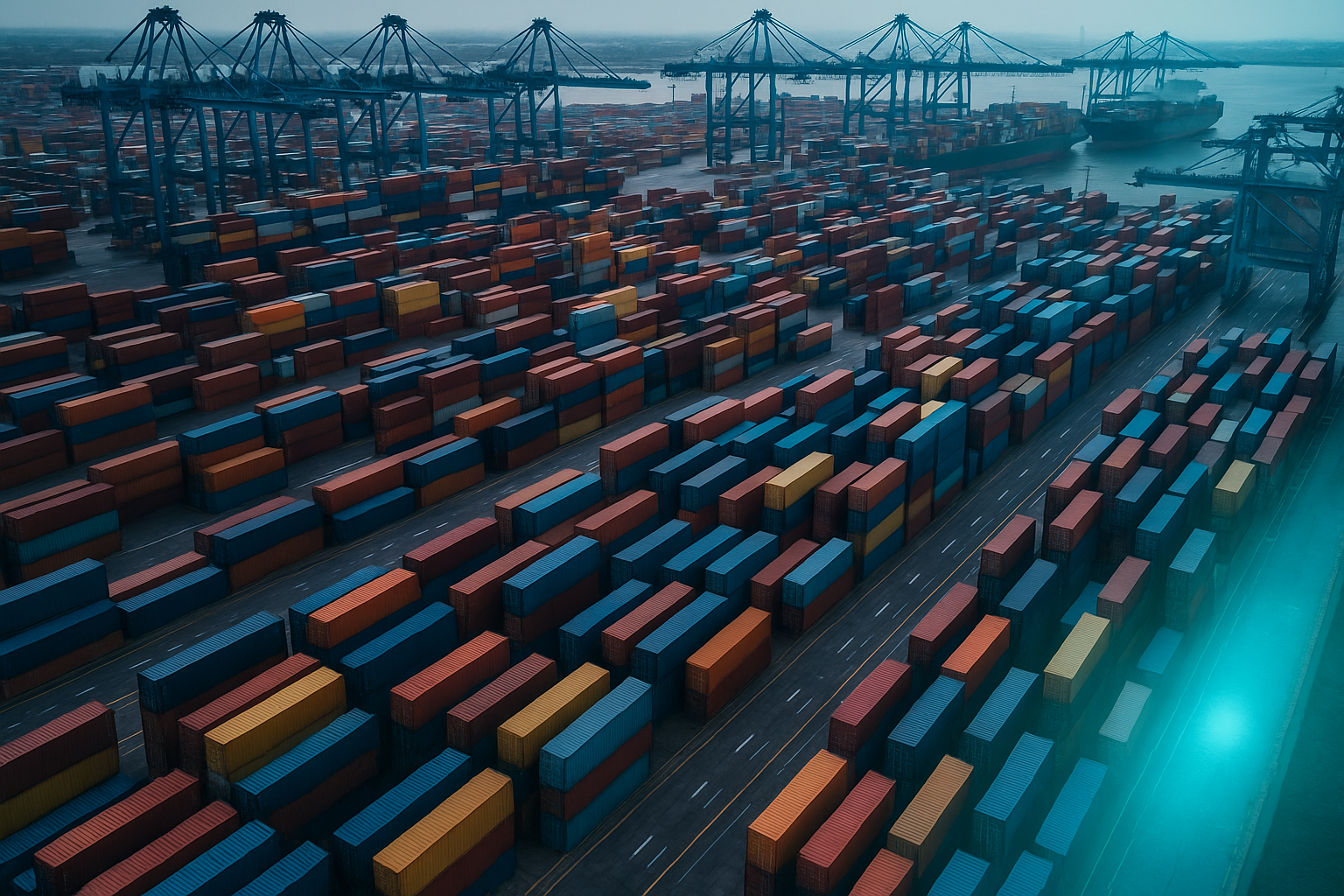
Port-yard utilisation forms the physical counterpart to those commercial rules. Thousands of long-staying containers have already been targeted for clearance from Manila facilities, with the 7,000-container removal programme intended to release space occupied by abandoned and overstaying cargo.
Clearing old boxes creates temporary capacity, although sustained improvement depends on preventing active imports and empties from becoming the next static inventory. Faster customs processing, predictable collection, available depots, and reliable return instructions must work together.
The Philippines is also consolidating trade paperwork through its National Single Window, as set out in the customs digitisation programme. Connecting release status, charges, gate events, and container returns would give regulators and operators a clearer view of where delays begin.
Commercial implementation will remain difficult because local fees support several genuine services and contractual relationships. Shipping lines, terminals, agents, depots, and hauliers all incur operating costs, while inconsistent terminology and limited visibility make legitimate charges difficult to distinguish from avoidable or duplicated ones.
Enforcement will therefore be as important as the published rules. The final order must define penalties, complaint mechanisms, audit requirements, refund deadlines, and the evidence accepted when parties dispute a failed return or detention charge.
Technology can support that framework, although it cannot create physical capacity. A digital instruction directing a haulier to a full depot merely records the failure more efficiently, while additional yard space will not prevent congestion if customs releases and transport bookings continue to arrive late.
The proposed order attempts to join both sides of the problem by regulating commercial conduct while improving the movement of equipment through scarce port and depot space. Greater transparency should reduce disputed costs, while clearer responsibility may discourage containers from remaining static because no party accepts control of the next movement.
Its performance will be visible at terminal gates, depots, and importer premises rather than in the wording of the final document. Fewer failed returns, shorter refund periods, lower yard dwell, and more predictable charges would indicate that the administrative framework is beginning to improve the physical flow of cargo.