IN Brief:
- CMA CGM, MSC, and Maersk have introduced new charges affecting Indian container trades.
- Congestion, equipment shortages, stronger demand, and Middle East disruption are constraining capacity.
- Dense industrial exports face additional exposure through new overweight-container penalties.
Indian exporters are confronting another increase in container-shipping costs as major carriers introduce peak-season, congestion, and overweight charges across several of the country’s principal trade lanes.
CMA CGM has introduced a peak-season surcharge of US$1,500 per container on cargo moving from India to North Europe and the Mediterranean. A separate US$1,000 charge has applied to India–Red Sea bookings since 18 July, while shipments to the US East and Gulf coasts will attract a US$5,000-per-container surcharge from 15 August.
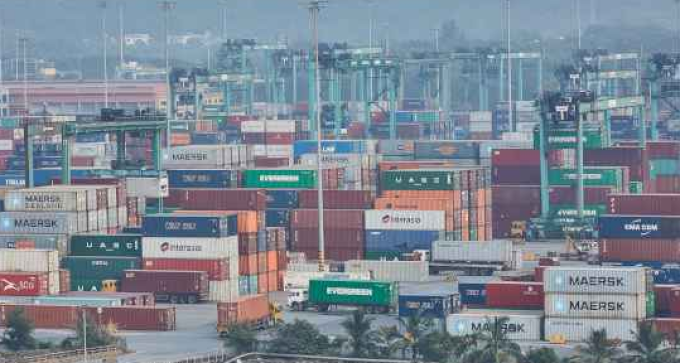
MSC has added a US$500 congestion surcharge to cargo moving from Northern Europe to the Indian Subcontinent as delays at Jawaharlal Nehru Port Authority and Mundra continue to affect terminal operations and inland container movements. Additional transhipment volumes generated by disruption in the Persian Gulf have compounded the pressure at both gateways.
Maersk has taken a different approach, introducing a US$2,000-per-TEU overweight penalty for containers with a gross weight above 22 tonnes. The charge will apply from 1 August to exports from JNPA, Mundra, Pipavav, and Hazira bound for North Europe and Israel.
Taken together, the measures expose a single shipment to several potential additions beyond its base ocean rate. A dense industrial load moving through a congested gateway may incur peak-season, equipment, overweight, detention, and terminal-related costs before inland haulage at the destination is considered.
Freight rates from India to Europe and the US have already reached their highest levels since the earlier stages of the Red Sea disruption. Stronger export demand is absorbing available vessel space while route changes, delayed equipment returns, and Middle East instability continue to reduce the capacity that carriers can offer reliably.
Cost pressure returns across Indian trade lanes
Only weeks earlier, rates between India and the Gulf had begun to ease as additional capacity returned and earlier cargo backlogs cleared. That relief was concentrated on a specific corridor, however, while tighter westbound markets and renewed regional disruption were already developing elsewhere.
The divergence illustrates how fragmented container markets have become. Rates can fall sharply on one lane while equipment shortages or vessel diversions raise costs on another, leaving annual freight budgets exposed to several independent movements within the same contract cycle.
Heavy-container penalties add a further complication because the apparent remedy — dividing cargo between more units — can increase costs elsewhere. Additional containers require more lifts, customs entries, seals, road movements, documentation, and destination handling, while the extra equipment may not be available when production is ready to ship.
Chemicals, metals, engineering products, ceramics, stone, agricultural commodities, and other dense cargoes regularly approach container payload limits. Procurement teams will therefore need to compare the full door-to-door cost of splitting a consignment with the charge applied to a heavier unit, rather than treating the ocean penalty in isolation.
Congestion creates a parallel inventory problem. Manufacturers working to fixed production schedules may bring exports forward to protect vessel cut-offs, placing more finished stock in port-adjacent storage and increasing the period during which working capital sits outside the factory but has not yet entered the main ocean leg.
When vessels lose berthing windows or boxes remain inside terminals longer than planned, collection appointments, documentation deadlines, and inland equipment cycles become harder to coordinate. A delay affecting empties can halt the next export movement even where vessel space has already been secured.
Contract wording will determine how much protection annual agreements provide. Base rates may remain valid while peak-season, emergency, congestion, and overweight additions are passed through separately, leaving a contractually secured shipment exposed to much of the same volatility as a spot booking.
Rate validity also offers limited assurance when available equipment is constrained. A quoted price has little practical value if the required container cannot be released, the nominated sailing is rolled, or the factory misses its cut-off because inland transport is delayed.
The cost increases coincide with expectations of stronger trade between India and the UK. Improved market access for textiles, leather goods, chemicals, marine products, gems, jewellery, and other sectors could generate additional westbound demand, although higher transport charges will erode part of the advantage created by lower duties.
Carriers are balancing that demand against fuel exposure, security risk, vessel positioning, and uneven regional flows. The resulting network decisions are likely to preserve a premium for confirmed space, particularly on routes where alternative sailings or gateways are limited.
Upcoming freight tenders will consequently place greater weight on surcharge definitions, free-time allowances, equipment commitments, and alternative-port provisions. Export programmes that rely on one carrier or gateway may secure attractive headline rates, but they retain more exposure when congestion or equipment shortages interrupt the chosen route.
Booking teams will also need to map each implementation date against cargo already in production, because the loading date rather than the commercial order date usually determines whether a surcharge applies. Quotations issued before an announcement may therefore require revision before the container reaches the terminal.
Indian export demand remains strong, yet the cost of converting that demand into dependable overseas delivery is rising again. The latest surcharge cycle will test whether manufacturers can preserve margin through better equipment planning and contract discipline, or whether freight volatility is passed directly into customer pricing.